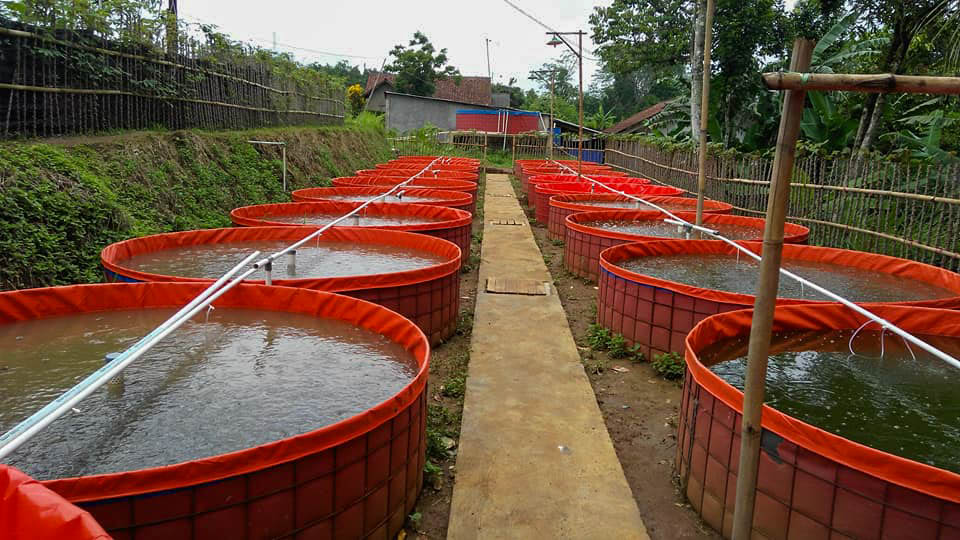

Catfish cultivation is a promising business opportunity that local communities can undertake to improve the economy. With lower costs, you can get greater benefits. Easy and cheap maintenance and cultivation are the main factors of interest in this business. Apart from that, the need for catfish consumption continues to increase every year, both for direct consumption and processing, so that the competitiveness and selling price of catfish is very high. The selling price of catfish ranges from 15-20 thousand per kilogram, and for 1 kilogram there are around 5-7 fish. Imagine if cultivators could produce around 4,000 heads per harvest.
Not only domestically, catfish is also popular abroad and every year the level of fish exports also continues to increase. Not only in the form of whole fish, catfish can also be distributed in the form of agro-industrial processing. Because of its soft texture, rich nutrition, and thick flesh, whatever processing is done to this catfish, it is very tasty and has sales value and is in demand by the public, such as chips, shredded fish, canned fish, fillets, etc.
Such a large demand has not been matched by the amount of domestic production. By using ordinary cultivation methods, the products produced can only cover costs and daily needs, so innovation is needed to increase production with limited land, but still maintain fish quality. Therefore, farmers are starting to apply the biofloc system in cultivating catfish.
Advantages of catfish ponds with a biofloc system
Biofloc system

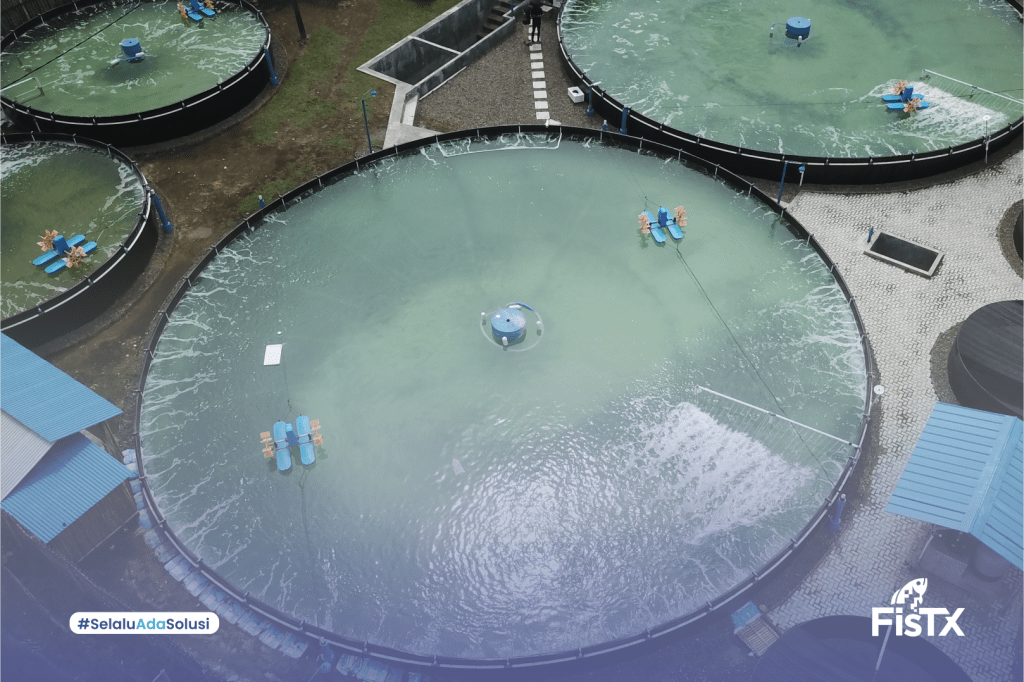
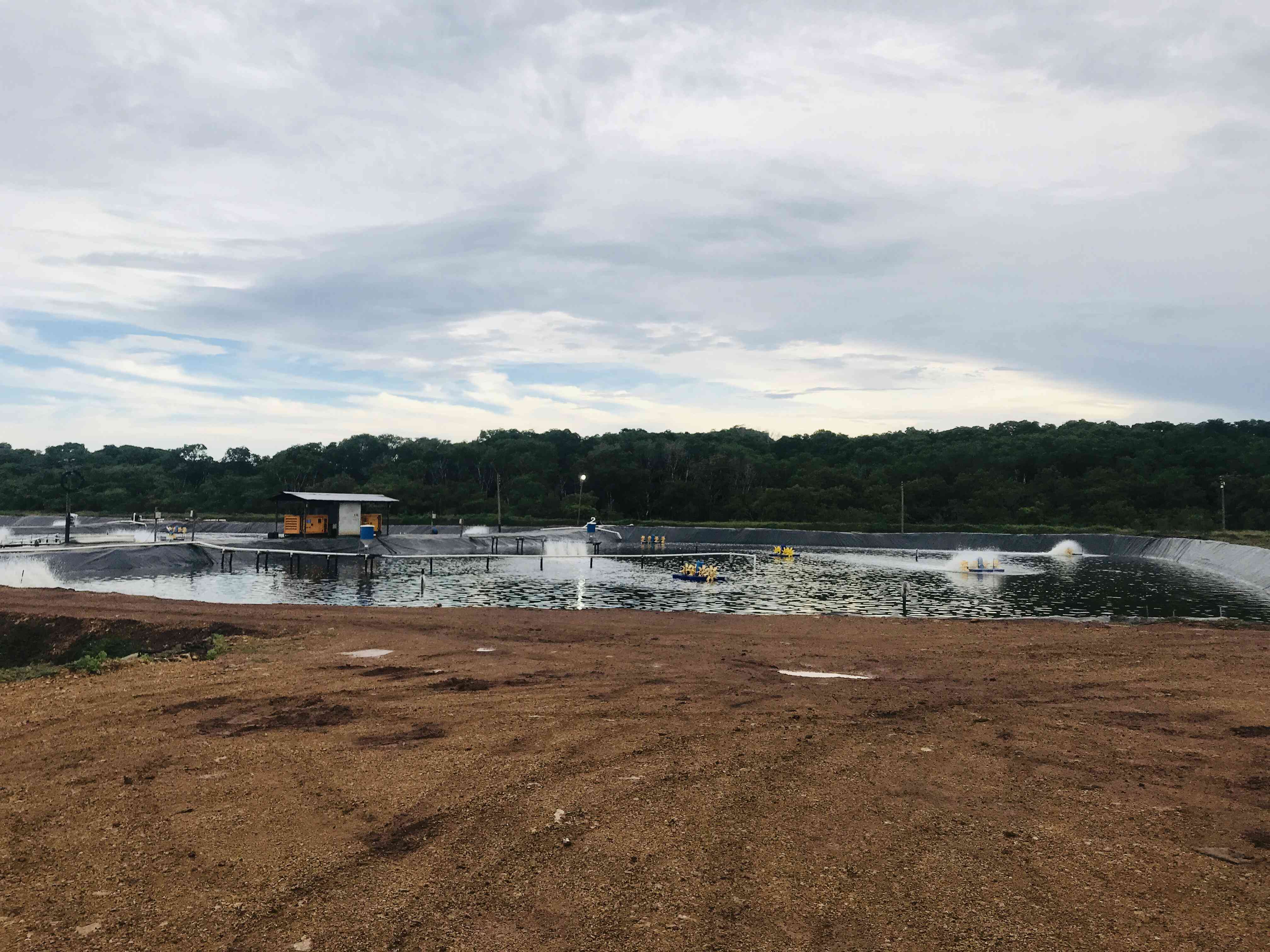
Cultivation pond with biofloc system
The biofloc system is an innovative fish farming technique that allows farmers to raise fish without having to change pond water regularly. Biofloc itself is formed from organic clumps of aquatic microorganisms which include bacteria, algae, fungi, protozoa, metazoa, rotifers, nematodes, gastrotricha, and various other organisms that interact well and float in water. These microorganisms not only function to maintain water quality, but also play an important role in converting waste and inorganic substances into useful organic substances. In other words, they are able to convert toxic substances into proteins that are good for fish health.
The process of forming biofloc involves complex interactions between various microorganisms that are mutually beneficial. Bacteria heterotrophic, for example, plays a key role in this system by consuming organic materials such as food scraps and fish waste. They then convert these materials into nutrient-rich biofloc. Algae and other microorganisms also contribute by providing oxygen and supporting the balance of the pond ecosystem. This combination creates an environment conducive to fish growth, while reducing the accumulation of toxic substances such as ammonia. The following are other advantages of the biofloc system:
Saves feed
The use of the biofloc system in fish farming has a significant positive impact, one of which is saving feed. In a biofloc system, microorganisms that grow in ponds play an important role as a natural source of nutrition for fish. These microorganisms are capable of processing various types of pond waste, including fish waste, alga, feed waste, and ammonia, and become biofloc which is rich in protein. This process not only helps keep the pond water clean, but also provides an additional, highly nutritious food source for the fish. In this way, the fish's need for commercial feed can be reduced significantly, because most of their nutritional needs are met by the biofloc formed in the pond.
Another advantage of using a biofloc system is higher feeding efficiency. In conventional farming systems, fish are usually fed several times a day to ensure optimal growth. However, with the presence of nutrient-rich biofloc, fish farmers can reduce the frequency of feeding to only twice a day. In addition, the biofloc system has FCR (Feed Conversion Ratio) which is low, can reach 0.7, which means the fish is able to convert more feed into mass weight.
Save water
By using a biofloc system, the frequency of changing pond water can be reduced significantly. In conventional cultivation systems, pond water often has to be changed regularly to maintain water quality and prevent the accumulation of toxic substances that can harm fish health. However, biofloc systems offer a more efficient and environmentally friendly solution. Microorganisms that grow in ponds, such as floc-forming bacteria, play an important role in maintaining water quality. They are able to decompose and recycle organic waste, including leftover feed, fish waste, and toxic substances such as ammonia, into beneficial nutrients. This allows the pond to remain clean and healthy without the need to frequently change the water, thereby saving water use and reducing the cultivator's workload.
The biofloc system also has the unique ability to convert toxic substances into highly nutritious feed ingredients for catfish. Ammonia, which is usually produced from fish waste and food waste, can be toxic if it accumulates in large amounts in pond water. However, in a biofloc system, heterotrophic bacteria convert ammonia into nitrate and then into safe, nutrient-containing microbial cell proteins. This process not only removes toxic substances from the water, but also adds a natural food source for catfish. As a result, catfish get additional nutrition from the biofloc formed.
High amount of fish production
Ponds with a biofloc system have a much larger capacity than conventional cultivation ponds. In conventional ponds, farmers usually spread around 100 fish seeds per cubic meter to avoid overcrowding and the risk of cannibalism, where catfish can prey on each other when they lack food or are stressed. This limitation often limits the amount of fish production that can be produced in one cultivation cycle. However, biofloc systems offer an effective solution to overcome this problem.
In biofloc ponds, the space required to raise fish can be reduced significantly without compromising fish quality or health. With biofloc which is rich in nutrients, ponds with this system can accommodate up to 10 times the number of fish compared to ordinary ponds. The microorganisms in biofloc work efficiently to decompose waste and provide additional nutrition, so that fish do not lack food even in high density conditions. In addition, biofloc helps maintain good water quality by reducing levels of toxic substances such as ammonia, which often causes stress in fish.
The ability of biofloc ponds to accommodate large numbers of fish without causing stress or cannibalism is a major advantage that is very profitable for farmers. In conditions of high density, catfish can still grow well because there is sufficient food and maintained water quality. This high seed stocking allows for a significant increase in production. With this biofloc system, farmers can achieve higher production with lower operational costs, due to efficiency in the use of feed and water.

Discussion of biofloc cultivation at BBPBAT Sukabumi
High quality harvest
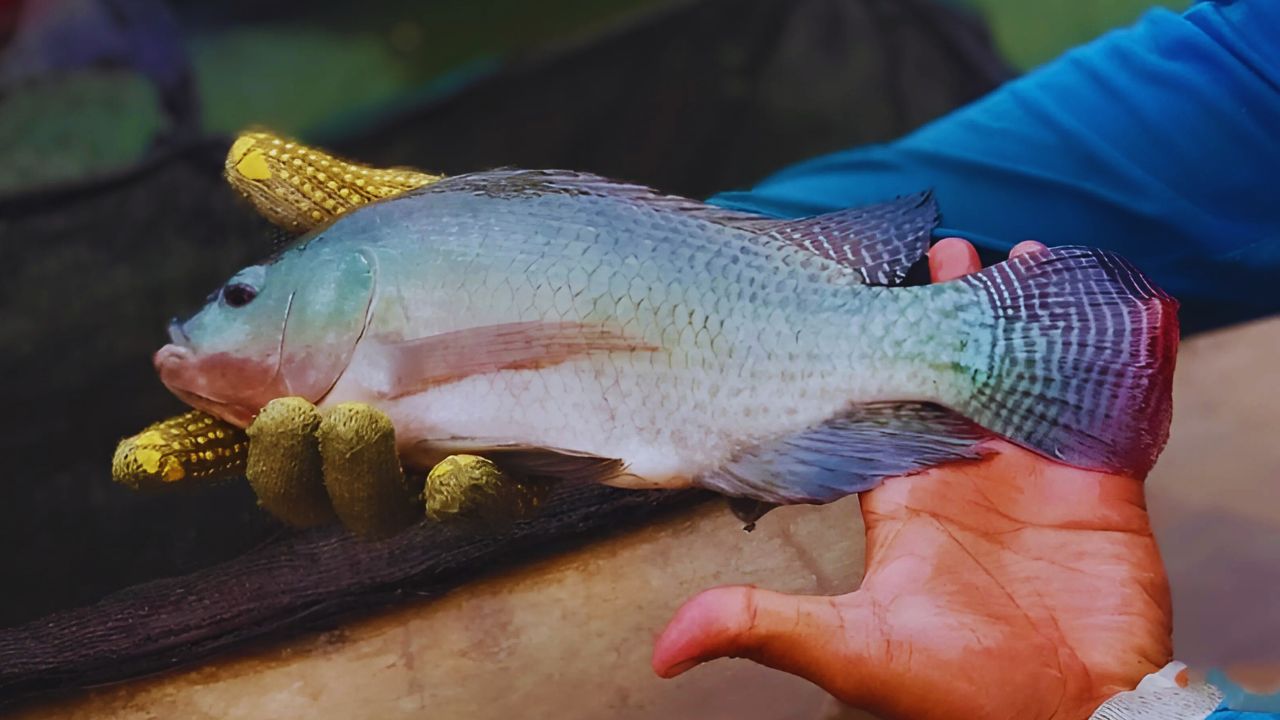
The health and quality of the fish produced in the biofloc system is very well maintained, resulting in healthy fish with high selling value. The biofloc system creates an optimal environment for catfish growth, where the microorganisms in the biofloc play an active role in maintaining water quality and providing additional nutrients. This condition helps fish grow faster and healthier, reducing the risk of disease which usually occurs due to poor water quality or non-ideal environmental conditions.
Catfish cultivated using the biofloc system have better meat quality compared to those cultivated using traditional methods. The texture of the meat is more elastic or chewy, which is an indicator of good meat quality. This elasticity makes catfish meat tastier when consumed, whether fried, grilled or processed into various other food products. Apart from that, the biofloc system helps reduce the fishy aroma which is often one of the shortcomings of conventionally cultivated catfish. The microorganisms in biofloc work to decompose organic compounds that can cause fishy odors, so that the fish produced has a fresher and cleaner aroma.
The taste of catfish meat cultivated using the biofloc system is also more savory and delicious. This is caused by the additional nutrition provided by biofloc, which is rich in protein and other nutrients. The natural feed produced by these microorganisms not only helps fish grow healthier, but also improves the taste quality of their meat. Catfish produced using the biofloc system has better nutritional content, making it a healthier and tastier choice to consume.
Environmentally friendly and flexible
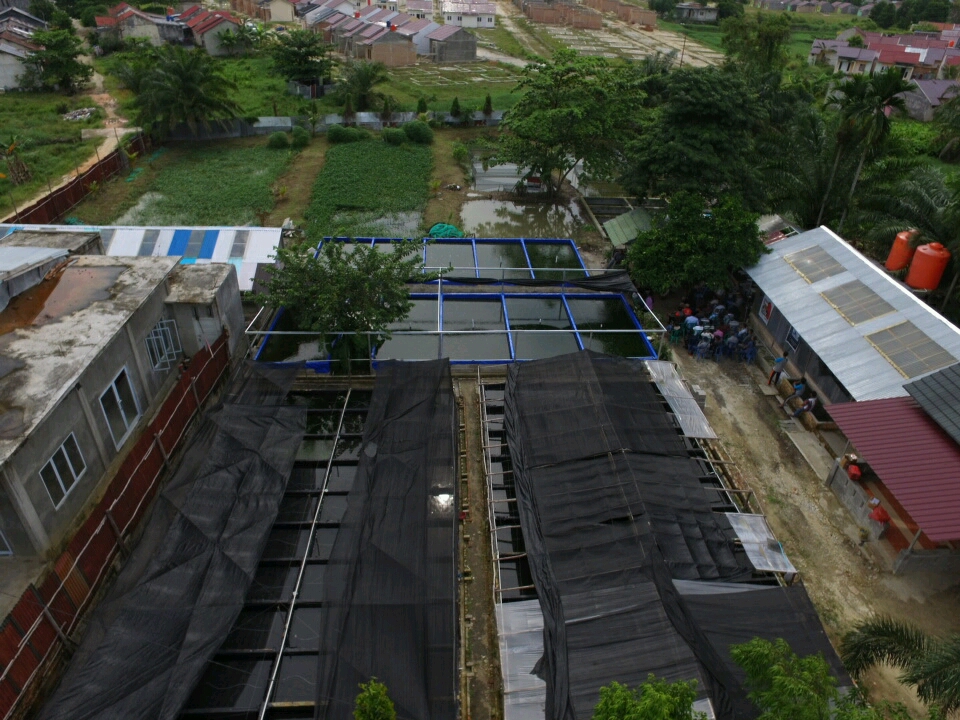
One of the main advantages of cultivating catfish using a biofloc system is its ability not to cause unpleasant odors, making it environmentally friendly. The unpleasant odor often associated with conventional fish farming is caused by the accumulation of organic waste, such as fish waste and rotting feed residue in the water. In a biofloc system, microorganisms work actively to decompose and recycle this waste into useful biofloc, thereby eliminating the source of the unpleasant odor. This makes the biofloc system more convenient to apply in densely populated residential environments, where air quality is an important factor for the comfort of local residents.
Catfish cultivation using the biofloc system is very suitable for development in densely populated residential areas because this cultivation technique is in line with the urban farming concept. The biofloc system allows fish cultivation to be carried out in limited land, such as the backyard or other small areas. Biofloc ponds can be made using various types of containers, such as tarpaulin ponds, plastic drums, or other containers that are easy to find and adapt to the available space.