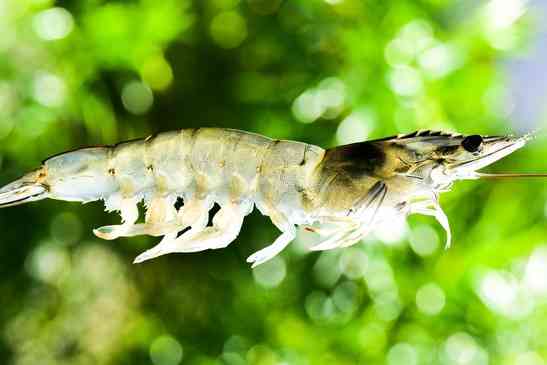

Vannamei shrimp cultivation activities start from basic knowledge of managing broodstock. Good broodstock management will have a good impact on the cultivation process, especially vannamei shrimp hatchery. One of the basic knowledge of broodstock management is the spawning process. Vannamei shrimp spawning is done when the female shrimp have matured gonads which are marked with an orange color on their backs. Then the male shrimp chases the female because of the pheromone stimulation released by the female and mating occurs. From the results of the marriage, the sperm will stick to the telicum, 4-5 hours later the female broodstock will release an egg (spawning) and fertilization occurs. The procedure for spawning techniques will be described below.
1. Container preparation

Source: banglele.co.id
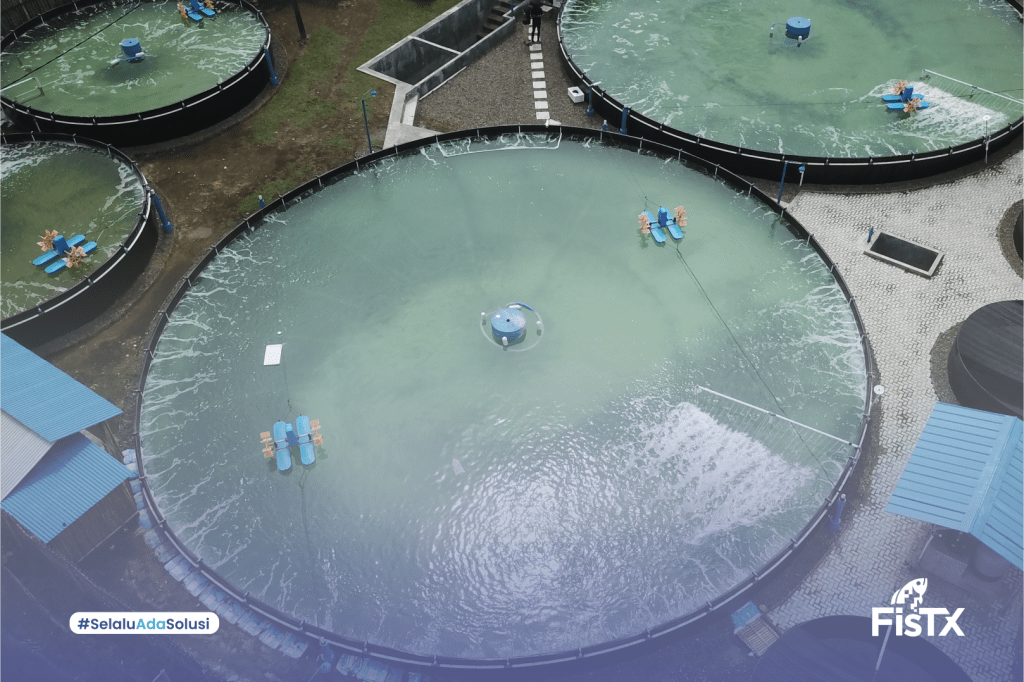
The preparation of the container includes cleaning the container, installing aeration and filling water into the rearing container, and hatching vannamei shrimp eggs. Preparation of the container was carried out by sprinkling Ca(ClO)2 500 mg/L-1. Then, the container was washed using 10g L-1 detergent. After that, the container is rinsed with clean water, then dried for 24 hours. Finally, the installation of aeration and filling of seawater after the drying process (Iskandar, et al., 2021). Water can be sourced from seawater and well water which is accommodated in the main reservoir.
2. Selection and stocking of broodstock

Source: globalseafood.org
The broodstock of vannamei shrimp to be reared must be selected first, the broodstock must be in good health or free from disease and the broodstock is not under stress. After the broodstock has passed the selection, one of the conditions is that the broodstock is free from diseases such as WSSV (White Spot Syndrome Virus). For the stocking process starting from the broodstock packaging bag, the temperature and pH acclimatization process is treated for 30-35 minutes or after approaching the specified temperature and pH difference. Then, the packaging bag is added with a solution of acetic acid (CH3COOH) during the acclimatization process, the goal is that the pH of the container water is the same as the pH of the water in the main packaging bag. The master packaging bag can be opened after a maximum temperature difference of 2ºC and a maximum water pH of 0.5. To prevent pests and diseases, water used for transportation in packaged bags and wastewater from cultivation containers is dosed with 8 L L-1 chlorine (Iskandar, et al., 2021).
3. Management of broodstock maintenance

Source: visuzoologia.tumblr.com
Breeder rearing management consists of broodstock management, water quality, and disease prevention. Management of broodstock feed is carried out by giving good feed including natural feed and fresh feed. Natural feed for rearing vannamei shrimp in the form of Nereis worms or sea worms (Dendronereis pinnaticirris) which is the main feed for rearing vannamei shrimp. Sea worms function in the reproductive biology process of shrimp broodstock because sea worms contain high unsaturated fatty acids (HUFA) which can stimulate the gonadal maturation process of crustaceans and marine fish (Wouters, et al., 2001). Fresh feed is given to vannamei shrimp broodstock in the form of sliced ​​squid (Loligo sp.), chicken liver, and oyster. The dose of feeding is 40% of the broodstock biomass of vannamei shrimp. The frequency of feeding is done twice a day in the morning and evening.
Water quality management for broodstock maintenance is carried out by changing water and siphoning broodstock containers. Siphoning is carried out periodically every day, namely in the morning and evening by removing the rest of the feed (Iskandar, et al., 2021). As for pest and disease management, the implementation of biosecurity during cultivation activities such as wearing boots, immersing feet in a chlorine solution (foot bath), and washing hands with soap and 70% alcohol (hand sanitizer). Every two weeks, broodstock rearing containers are given KMnO4 at a dose of 1.5-2 mg L-1 to prevent disease (Iskandar, et al., 2021).
4. Spawning of shrimp broodstock

Source: globalseafood.org
The spawning process was carried out by the eyestalk ablation method on the female broodstock. Eyestalk ablation in female broodstock was carried out after passing the quarantine period, which was three days after the broodstock was transferred to the maturation tank or when the broodstock was no longer stressed. The purpose of eyestalk ablation is to accelerate gonadal maturation in females. According to Subaidah, (2006), the removal of organ X which produces Gonad Inhibiting Hormone (GIH) which is located on the eye stalk will result in the work of organ Y as a hormone producer that stimulates the development of the ovaries, Gonad Stimulating Hormone (GSH) and becomes not hampered so that it will accelerate the maturity of the female shrimp gonads.
The method of spawning vannamei shrimp is to move the female broodstock into the male rearing pond using a dipper net slowly, spawning lasts 4-5 hours and one female broodstock can only be spawned by one male in the male rearing pond. Breeders that successfully spawn can be identified by the attachment of sperm to the female telicum. The broodstock was transferred to the spawning tank using a slide slowly.
References:
Iskandar, A. et al., 2021. Manajemen Pembenihan Udang Vaname Litopenaeus vannamei di PT Central Proteina Prima, Kalianda, Lampung Selatan. Jurnal Perikanan Terapan (PERANAN), II(1), pp. 1-8.
Wouters, R P, Lavens J, Nieto and Sorgeloos P, 2001. Penaeid Shrimp Broodstock Nutrition: an Updated Review on Research and Development. Aquaculture, 202: 1-21.
Subaidah S, Pramudjo, Asdari M, Imam N, Sugestya, Nurul D, Cahyaningsih S. 2006. Pembenihan Udang Vaname (Litopenaeus vannamei). Situbondo (ID): Balai Budidaya Air Payau Situbondo