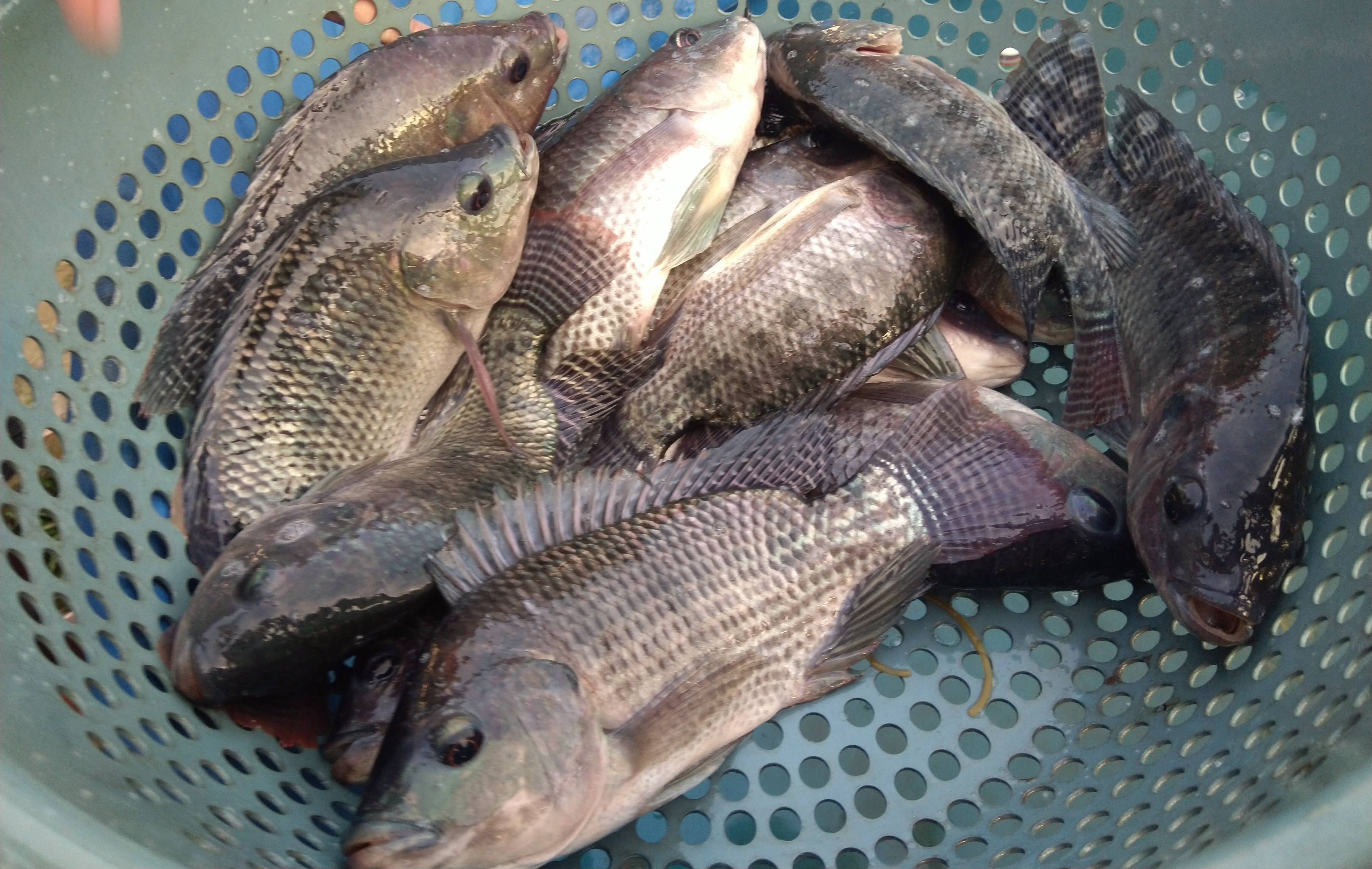

Tilapia fish(Oreochromis spp.) or better known in Indonesian as tilapia, is a fish species that is increasingly popular in global aquaculture. Known for its fast growth, strong adaptation to various aquatic environments, and great nutritional benefits make tilapia an attractive choice for fish farmers around the world. However, behind its popularity, there are interesting facts that many people may not know.
With its fast growth and ease of cultivation, tilapia is an attractive choice to meet consumers' nutritional needs. However, apart from the main benefits found in tilapia, there are also interesting and lesser known facts about tilapia such as its contribution to the cultivation of aquatic plants, its high omega-3 fatty acid content, and its innovative use in various applications.
Here are surprising facts about tilapia that are rarely known:
1. History of tilapia cultivation
Tilapia farming is not a new phenomenon. This fish has been cultivated since ancient Egypt. The long history of tilapia farming shows that this fish has been an important part of various cultures and food systems for thousands of years. With global population growth and increased awareness of the nutritional value of fish, tilapia is projected to become one of the most widely farmed fishery products in the 21st century.
History shows how tilapia has become an important commodity in global aquaculture. The history of tilapia cultivation can be traced back to Ancient Egyptian times, approximately 3,500 years ago. Tilapia Nilotica is one of the tilapia species that was first cultivated by the Egyptians. This fish is found in historical inscriptions and reliefs in Ancient Egypt, indicating the importance of tilapia in their agricultural and food systems.
After a period of cultivation in Ancient Egypt, the practice of cultivating tilapia spread to various parts of the world, especially to South America, Central America, and Southeast Asia. Different species of tilapia have been introduced and cultivated according to environmental conditions and local preferences. For example, Tilapia Mossambica comes from South Africa and has become popular in many tropical countries.
Since the 20th century, tilapia cultivation has experienced significant development with intensive research in the fields of genetics, nutrition and cultivation management. Technological developments and more efficient cultivation practices have increased tilapia productivity. The introduction of better hatchery techniques, genetic selection, and the use of optimized feed have helped improve the quality and quantity of tilapia production.
2. Tilapia in aquatic plant cultivation
One of the interesting facts about tilapia is its ability to play a role in the cultivation of aquatic plants. Tilapia is a freshwater fish that has an important role in the cultivation of aquatic plants, especially in an integrated agricultural system known as aquatic plant aquaculture.(aquaponics). Tilapia itself is a fish that can consume algae and other plant-based feed. This makes tilapia an attractive alternative in aquaculture because it does not require expensive animal-based feed.
In system aquaponics, tilapia functions as a natural nutrient producer for aquatic plants. They eat fish food and produce waste in the form of fish waste. This fish waste contains important nutrients such as nitrogen, phosphorus and potassium. These nutrients will then be used by aquatic plants as a food source.
The nitrogen cycle is also a key aspect of aquaponics. The ammonia waste produced by the tilapia is converted into nitrate by the nitrifying bacteria in the system. Nitrate is a form of nitrogen that can be absorbed by aquatic plants and used as a nutrient. In this process, tilapia help convert their waste into a useful source of nutrients for plants.
3. Tilapia in environmentally friendly cultivation
Apart from its ability to consume vegetarian feed, tilapia is also known as an environmentally friendly farmed fish. They are resistant to environmental changes, including fresh and brackish water, so farmers have flexibility in determining the cultivation system that suits them.
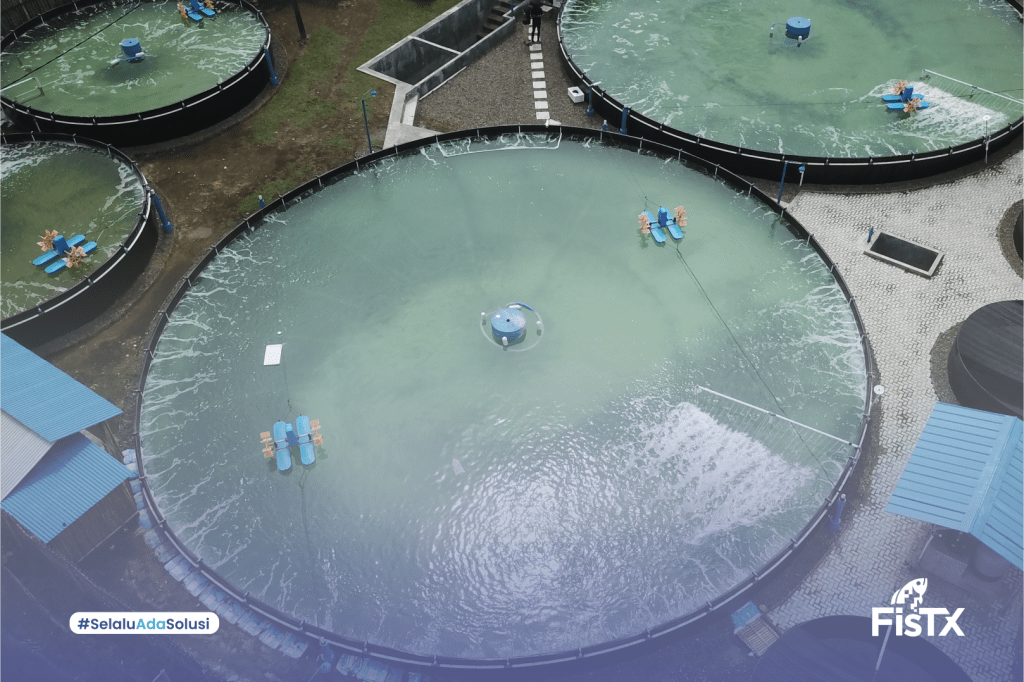
In addition, although tilapia is famous for its fast growth process, tilapia cultivation can be done in various systems such as ponds, water tanks, or even in aquaponics which combines fish farming with aquatic plant farming. Some tilapia farming systems use relatively small areas of land compared to larger crop farming or fish farming. This suggests that tilapia allows more efficient land use.
Thus, tilapia has a significant role in environmentally friendly aquaculture due to its adaptability, vegetarian eating tendencies, growth efficiency, and efficient land use.