
Indonesia, as one of the main producers of freshwater fish, has a superior commodity called Oreochromis niloticus, which is better known as tilapia. This fish has become a favorite for fish farmers in Indonesia, not only because of its fast growth and disease resistance, but also because of its abundant availability and affordable price for the public. Let's explore more deeply the tilapia phenomenon in Indonesia, which is one of the largest freshwater fishery commodities after China and India.
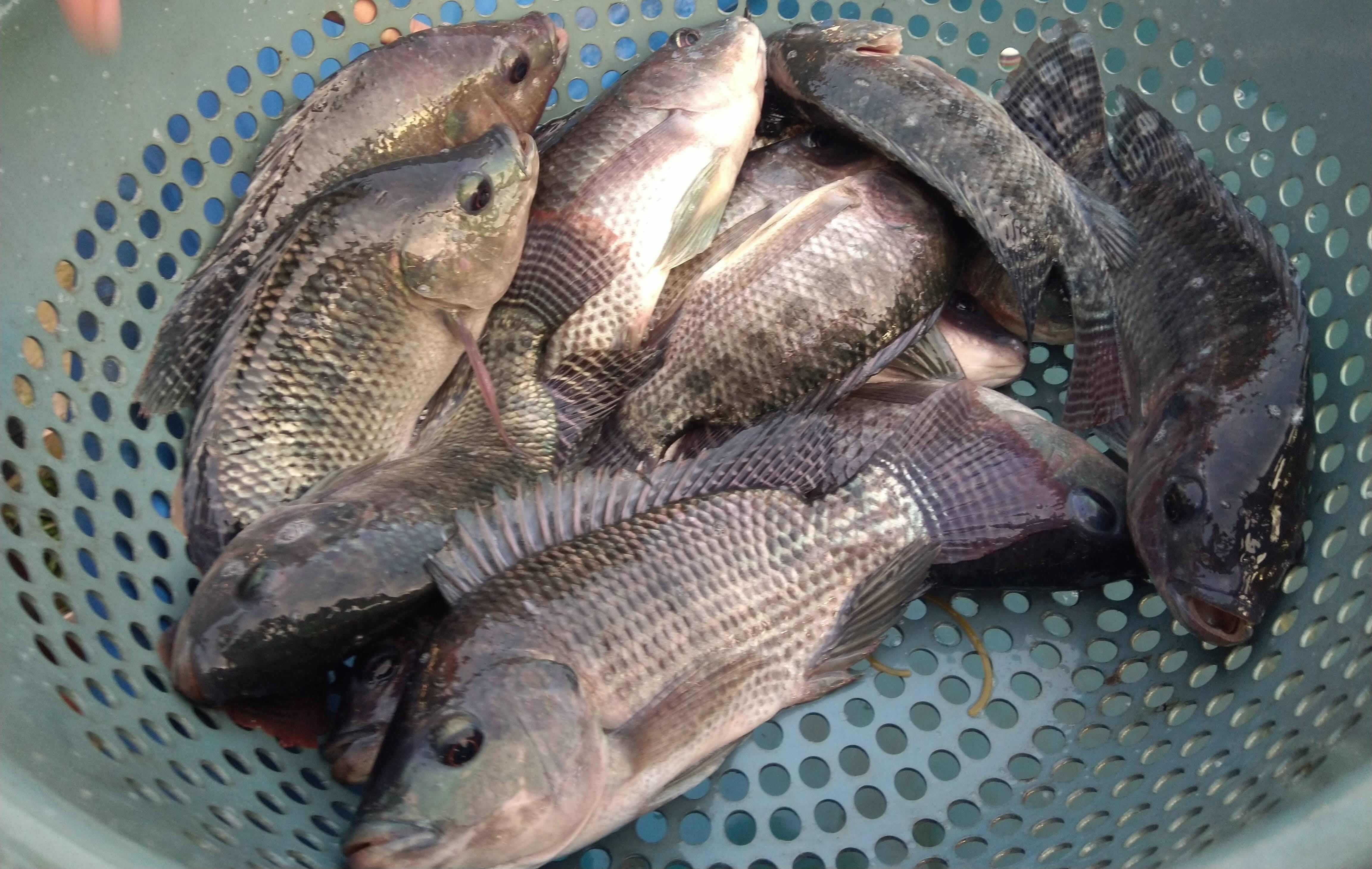
Tilapia, with its black or gray body with a dark line dividing it, is a special attraction in the world of fishing. This characteristic fades with age. The existence of tilapia not only fulfills the animal protein needs of the wider community, but is also the main choice for fish farmers. Its resistance to variations in temperature and salt content makes tilapia a favorite, especially in areas that have diverse environmental conditions.
According to data from the World Food and Agriculture Organization (FAO) in 2020, tilapia production reached 1.12 million tons or around 31.94% of the total freshwater aquaculture production in Indonesia. This makes tilapia one of the main commodities traded on the international market, including Indonesia's main export product. Tilapia production at the national level continues to increase from year to year; in 2016, it reached 1.114.156 tons, increased to 1.265.201 tons in 2017, and reached 576.688 tons in the third quarter of 2018.
It is important to note that Indonesian tilapia has successfully penetrated the United States and European markets for almost 30 years. Tilapia exports to the United States alone reach a value of around USD 120 million. The export market for tilapia continues to grow, with the majority of exports going to the United States due to the high demand for tilapia in that country. In fact, tilapia has become the fourth most consumed fish in the United States.
Tilapia cultivation centers in Indonesia include West Java, South Sumatra, West Sumatra, North Sulawesi and North Sumatra, with respective production in 2017 producing tilapia production of 344.583 tons, 160.594 tons, 114.391 tons, 91.571 tons, and 51,228 tonnes. The success of this production not only creates jobs, but also makes a significant contribution to the economy of communities in various regions.
However, this success also carries potential risks. The tilapia's success in adapting to its environment makes it potentially an invasive species. As omnivores, tilapia can pose a serious threat to river and lake ecosystems because they are able to consume a variety of smaller flora and fauna. Therefore, wise management measures need to be implemented to maintain ecosystem balance.
One of the biggest challenges is maintaining the sustainability of tilapia production without harming the natural ecosystem. A deep understanding of tilapia behavior and impacts on local ecosystems is essential. Conservation efforts need to be increased to manage tilapia populations so as not to harm freshwater biodiversity.
The government and stakeholders in the fisheries sector need to work together to develop policies that support the sustainability of tilapia production. This approach should include regulations that limit the risk of invasive tilapia as well as the adoption of environmentally friendly farming practices.
Apart from that, the tilapia cultivation sector in Indonesia must continue to innovate to increase production efficiency and maintain fish quality. The use of modern technology, good water management and regular monitoring of fish health can help increase productivity while minimizing negative impacts on the environment.
Increasing the capacity of fish farmers through training and knowledge transfer is also key to ensuring that tilapia cultivation in Indonesia runs well. By understanding the challenges and opportunities that exist, cultivators can be better prepared to face environmental and market changes.
As one of the leading commodities, tilapia has an important role in providing protein food for the Indonesian people. However, production sustainability must be the main focus so that the resulting economic benefits are not compromised by adverse environmental impacts. With a sustainable approach, tilapia can continue to be a valuable asset for Indonesia's economic growth without sacrificing the sustainability of the environment that supports it.
Tilapia, the belle of the world of fish farming in Indonesia
Increasing the sustainability of tilapia production; challenges and opportunities in the future
The sustainability of tilapia production is not only related to environmental aspects, but also involves social and economic aspects. Improving the welfare of fish farmers and surrounding communities needs to be a priority in designing policies that support this industry. One way to achieve this is through the formation of fish cultivator cooperatives, which can empower them to face challenges and optimize profits.
The importance of a sustainable approach also includes monitoring consumer health. With tilapia being one of the main food fish in Indonesia, it is important to ensure that the fish produced meets food safety standards. Implementation of clean and safe cultivation practices must be prioritized, including monitoring water quality and use of appropriate feed.
In addition, product diversification can be an effective strategy to increase the added value and competitiveness of Indonesian tilapia in the international market. Development of processed products and innovation in post-harvest handling can create new business opportunities. This can also help reduce production pressure directly from nature, by providing added value to tilapia products.
The research and development (R&D) aspect also has a very important role in increasing the sustainability of tilapia cultivation. Investments in cultivation technology innovation, development of superior varieties, and improved management systems can help create a more efficient and sustainable tilapia industry. Support from the government and research institutions needs to be increased to encourage progress in this field.
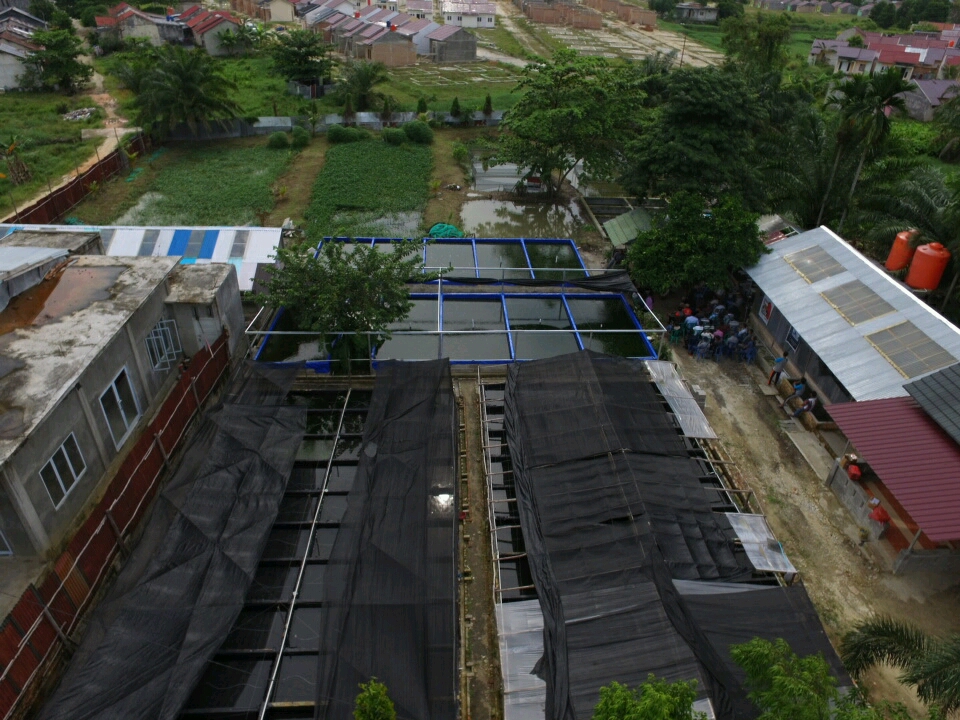
Tilapia cultivation facilities at BBPAT Sukabumi
Apart from that, involving local communities in managing fisheries resources is also the key to sustainability. Local communities need to be involved in the decision-making process regarding the management and monitoring of tilapia production. Community empowerment can create a sense of shared ownership of natural resources and minimize potential conflicts between environmental and economic interests.
Recognizing the invasive potential of tilapia, control measures need to be implemented carefully. The development of policies that limit the spread of tilapia in natural habitats and continuous monitoring of wild populations can help maintain ecosystem balance. The involvement of environmental organizations and researchers in these efforts is critical to ensure the steps taken have a positive impact.
In the face of international market dynamics, it is important to continuously monitor consumer trends and trade terms. Knowledge of international standards, certification and trade regulations can help tilapia farmers compete effectively in the global marketplace. Increased access to training and market information can also help farmers optimize their export potential.
Thus, the sustainability of tilapia production in Indonesia is not only the responsibility of farmers and industry players, but also the government, research institutions and the wider community. Collaboration between all parties can create a sustainable fisheries system, combining economic, environmental and social aspects.
In preparing future plans, emphasis on an ecosystem-based approach and policies that support sustainable production are becoming increasingly crucial. Tilapia, as a valuable asset for the Indonesian economy, can continue to provide positive benefits as long as it is managed wisely and sustainably. With continuous collaboration and innovation, the Indonesian tilapia industry has the potential to become a role model for sustainable fisheries practices at the global level.
Apart from that, it is also important to increase public literacy and awareness regarding the benefits and risks of tilapia cultivation. Education about environmentally friendly farming practices, choosing the right location, and safe fish consumption can empower people to make more sustainable choices.
It is also important to encourage organic and sustainable cultivation practices. The use of organic fertilizer, intensive monitoring of fish health without overreliance on antibiotics, and the application of environmentally friendly cultivation methods can help maintain sustainable production without sacrificing fish quality.
The government and related institutions also need to develop incentive programs for fish farmers who implement sustainable practices. Financial assistance, training and easier access to green technologies could be an impetus for the industry to shift to more sustainable business models.
It is important to remember that sustainability of tilapia production is not an end goal, but rather a continuous process that requires active involvement from all relevant parties. By involving various stakeholders, including the government, farmers, research institutions and the community, we can create a more sustainable tilapia cultivation model, achieving a balance between human needs, the economy and the natural ecosystem. In this way, tilapia can remain the main contributor of affordable animal protein for the Indonesian people, while maintaining the sustainability of natural resources and biodiversity.