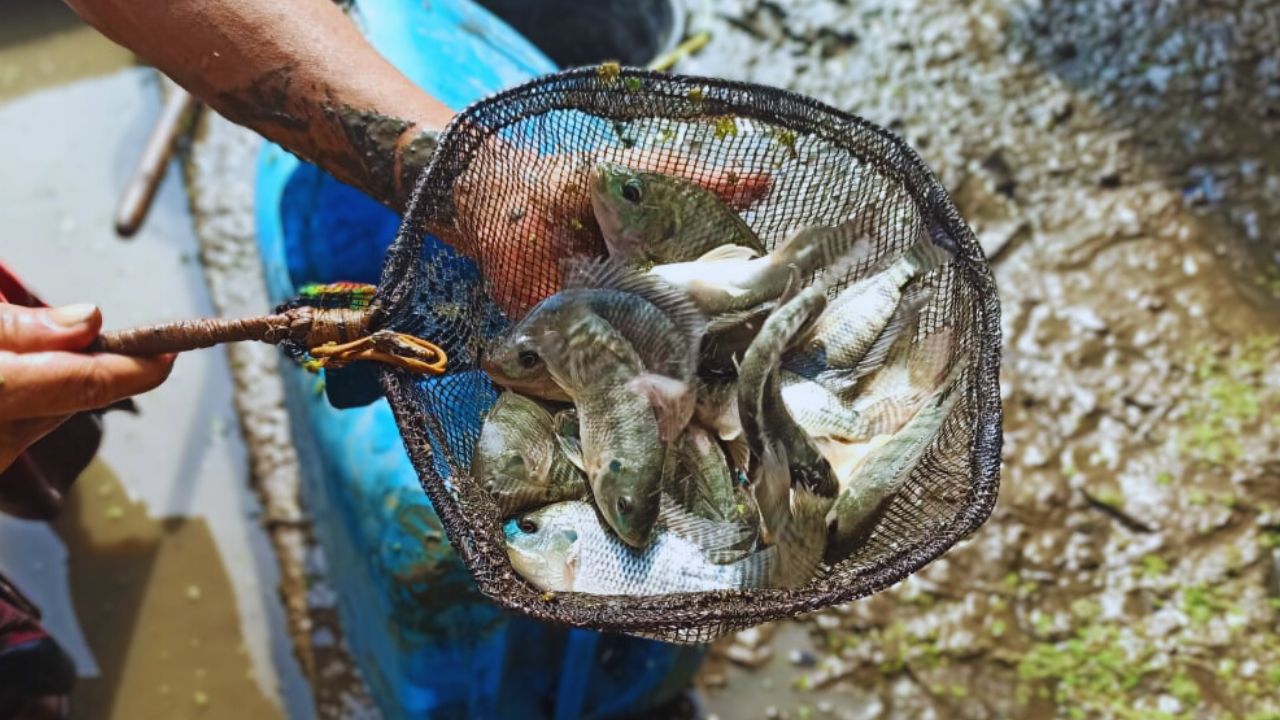

Tilapia, also known as Nile fish, is widely regarded as one of the easiest fish species to cultivate. With just a small pond, tilapia can thrive and grow effectively. Additionally, farming this species does not require significant financial investment, making it accessible to many. For beginners, tilapia farming can be initiated using earthen ponds, even with limited land availability.
In general, the process of tilapia farming in earthen ponds begins with selecting an appropriate location and concludes with the harvesting stage. The following steps outline the process in greater detail:
1. Selecting the right location
Choosing a strategic location is crucial to the success of tilapia farming. Ideally, the soil type for the pond should be clay, as this reduces the risk of water seepage. Ensuring an adequate supply of high-quality water is equally important for optimal fish growth and development.
Other factors to consider when selecting a location include safety from natural disasters and social challenges. For instance, evaluate the area's history of flooding during heavy rains to determine its suitability as a fish pond site. Social security is another important aspect; the pond should be located in an area with minimal risk of theft. Building good relationships with local community leaders and residents can help mitigate this risk.
Here are some important considerations when selecting a site:
- Choose a location that allows for regular monitoring and supervision.
- Ensure the site is free from dense vegetation or trees, as these can obstruct the construction of earthen ponds.
2. Pond preparation
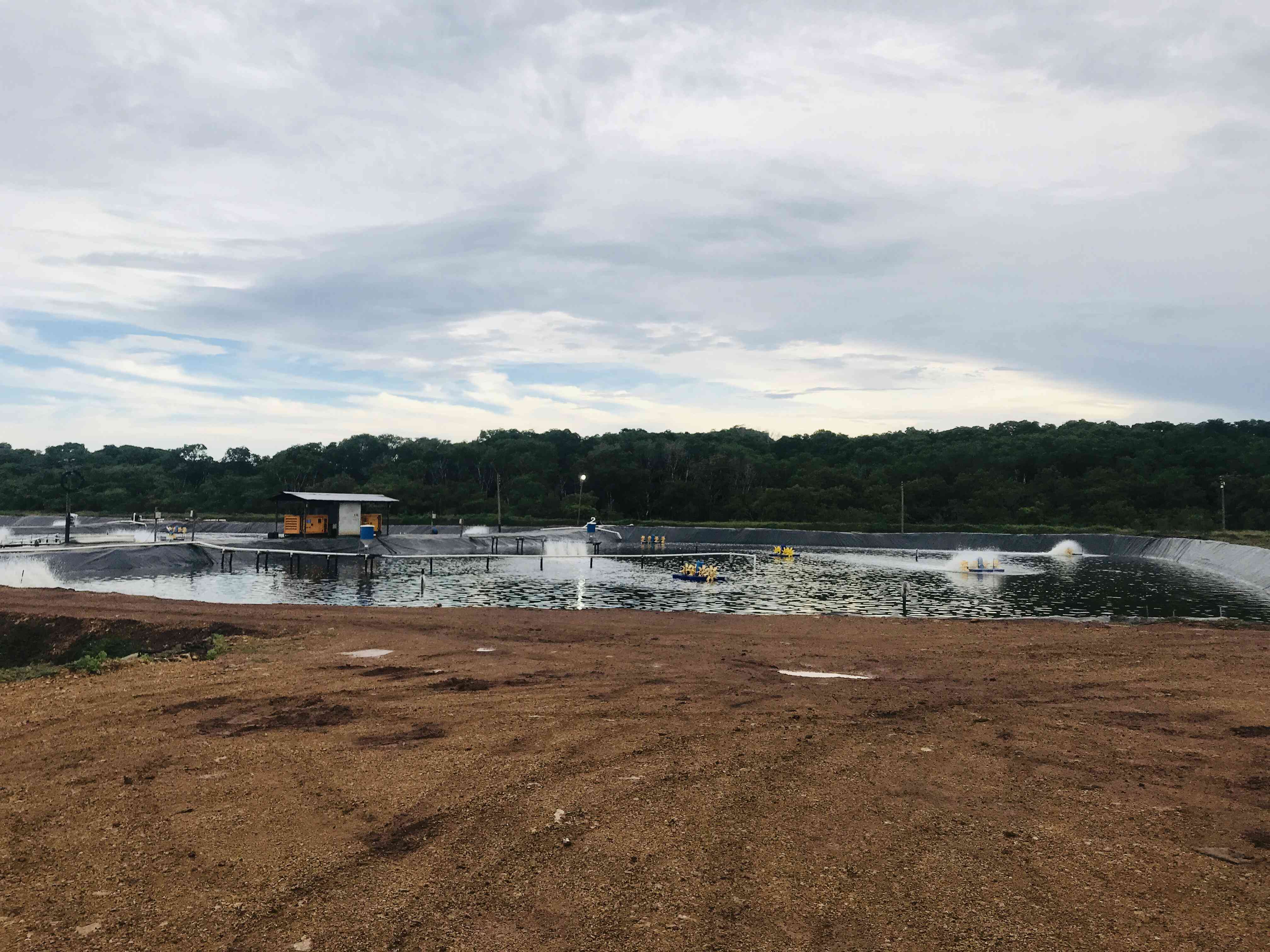
Using earthen ponds is an efficient and cost-effective approach, as it requires minimal additional materials. This type of pond offers the advantage of fostering the growth of phytoplankton and zooplankton, which serve as a natural food source for tilapia. The following are the essential steps for preparing an earthen pond for tilapia cultivation:
Drying the pond bottom
Dry the pond bottom under sunlight for 3–7 days, depending on weather conditions. The soil is considered sufficiently dry when cracks appear, and stepping on it leaves an imprint about 1–2 cm deep. This process helps break the lifecycle of pests and diseases that may have persisted from the previous farming cycle. Sunlight exposure effectively kills most pathogenic microorganisms.
Soil loosening
Loosen the soil to a depth of approximately 10 cm while removing stones and debris from the pond. This process enhances the decomposition of organic matter in the soil, allowing harmful compounds at the pond bottom to evaporate.
Liming
Apply lime if the soil has high acidity (low pH). Agricultural lime or dolomite can be used to adjust the pH to an optimal range of 7–8. The required dosage depends on the initial pH level of the soil:
- pH 6: 500 kg/ha
- pH 5–6: 500–1,500 kg/ha
- pH 4–5: 1–3 tons/ha
Mix the lime into the soil to a depth of about 10 cm, then allow it to settle for 2–3 days.
Fertilization
Organic fertilizers, such as manure or compost, are recommended to restore soil fertility. Apply 1–2 tons per hectare evenly across the pond bottom and allow it to decompose for 1–2 weeks. If needed, chemical fertilizers like urea (50–70 kg/ha) and TSP (25–30 kg/ha) can be added, followed by a resting period of 1–2 days.

Liming the pond bed followed by fertilization aims to maintain the pH balance of the soil at the pond's base and enhance the overall fertility of the pond: BPBAT Tatelu
Irrigation
Gradually fill the pond with water to a depth of 10–20 cm and let it sit for 3–5 days under sunlight. This encourages the growth of algae and other aquatic organisms. Subsequently, increase the water level to 60–70 cm to prepare the pond for stocking tilapia.
3. Selection and stocking of fingerlings
The selection of fingerlings is crucial to ensure uniform size, healthy condition, and optimal growth potential. Once the desired fingerlings are obtained, they can be introduced directly into the pond. The recommended stocking density is approximately 15–30 fish per square meter, with each fingerling weighing between 10–20 grams. These fish are typically harvested once they reach an average weight of 300 grams.
Before stocking, acclimatization is essential to minimize stress on the fingerlings. It is advisable to conduct the stocking process in the early morning, between 6:00 and 7:30 a.m., when temperatures are cooler.
Place the container holding the tilapia fingerlings into the pond and allow it to float for several minutes. This helps equalize the water temperature. Then, tilt the container gradually, letting the fingerlings swim out naturally into the pond.
4. Tilapia maintenance
Tilapia farming is typically conducted using a monoculture system, where only one fish species is cultivated per pond or enclosure. To maintain uniform growth, the fingerlings should be selected for consistency in size and health. Proper water management is also critical for the survival and growth of tilapia.
Water quality is maintained through regular water replacement, which varies depending on the fish density. On average, 30–50% of the pond water should be replaced daily. In tilapia farming, it is common to replace 50% of the water monthly. Key water quality parameters to monitor include dissolved oxygen levels, temperature, ammonia concentration, and pH.
Tilapia are fed pellets containing 20–30% protein. It is essential to provide feed equivalent to at least 3% of the fish's body weight daily. Feeding should be done twice a day, in the morning and evening.
To calculate the required feed volume, sample fish should be weighed every two weeks. This allows adjustments to the feeding schedule based on growth rates.
Consider a pond containing 1,500 tilapia, each weighing 10–20 grams:
- Average weight per fish = (10 + 20)/2 = 15 grams/fish.
- Total feed required daily = 15 × 1500 × 3% = 675 grams = 6.75 kg/day.
Weighing fish every two weeks ensures accurate feed adjustments and supports optimal growth.

Providing feed to tilapia cultivated in earth ponds older than one year is intended to meet household consumption needs: BRPBAP3 Maros
5. Pest and disease management
Pests and diseases are inevitable challenges in aquaculture, including tilapia farming. The emergence of diseases can result from factors such as poor farming environments, improper techniques, inadequate harvesting and post-harvest handling, or the use of unsuitable storage materials that may injure the fish.
Tilapia are generally resilient to extreme water conditions, but large-scale, high-density farming makes them susceptible to disease outbreaks, which can spread rapidly, particularly infectious diseases. These pathogens often transmit through water, affecting one or more fish ponds. Below are common diseases that impact tilapia and their management strategies:
White spot disease
White spot disease is caused by the protozoan parasite Ichthyophthirius multifiliis. Clinical symptoms in infected tilapia include the appearance of white spots or a whitish membrane on their bodies, reduced activity, and frequent rubbing against the edges or bottom of the pond.
Treatment:
- Replace the pond water with clean or fresh water.
- Isolate the infected fish in a disease-quarantine pond.
Prevention:
- Maintain water quality through regular cleaning.
- Provide high-quality and sufficient feed to support healthy growth.
- Use probiotics and administer vaccinations regularly.

Examination of tilapia ponds infected with white spot disease was conducted in Sebatung Village: PPB Kab. Kotabaru/Nani Jayusman
Red spot disease
Red spot disease is caused by bacteria from the Aeromonas and Pseudomonas genera. These bacteria can infect the body, fins, gills, and tail, leading to symptoms such as bleeding, scale shedding, bloating, and ulcerations on the skin. Affected fish appear weak, often float near the pond's surface, and may exhibit internal bleeding in organs such as the liver, kidneys, and spleen.
Treatment options:
- Bath Treatment: Immerse the fish in a solution of potassium permanganate (10–20 mg/L) for 30–60 minutes.
- Injection: Administer 0.05 ml of terramycin per 100 grams of fish weight or kanamycin at 20–40 mg/kg.
- Feed Medication: Mix oxytetracycline (50 mg/kg of feed) into the diet and feed daily for 7–10 days.
Trichodina sp. infection
This disease is caused by parasitic microorganisms from the Trichodina genus, which commonly affect freshwater and marine fish. The parasites target external parts such as the skin, fins, and gills, resulting in visible lesions.
Treatment:
- Immerse the infected fish in a salt solution (500–1000 mg/L) for 24 hours.
- Alternatively, use a formalin solution (25 mg/L).
Prevention:
- Maintain proper pond sanitation.
- Install water filters or sedimentation tanks in irrigation systems to improve water quality.
6. Harvesting
Harvesting is a crucial phase in tilapia farming, where farmers can schedule the harvest to align with market demand. The ideal market size for tilapia ranges from 300 to 500 grams per fish. The cultivation process typically begins with juvenile tilapia weighing around 10 to 20 grams each. With proper care and effective management, these fish can reach optimal market size within 4 to 6 months.
The growth of tilapia from juvenile to market size reflects the farmer's dedication to maintaining the health and welfare of the fish. Harvesting at the right time ensures the tilapia meet market size requirements, maximizing their economic value.
An efficient cultivation cycle not only guarantees the production of high-quality fish but also allows farmers to adapt to fluctuating market demands. This flexibility is essential for sustaining profitability and meeting consumer needs in a dynamic aquaculture industry.