
Aquaculture is an activity aimed at producing aquatic organisms in a controlled environment, with the primary goal of generating profit. In practice, aquaculture involves various methods and technologies to ensure the efficient and effective production of fish or other aquatic organisms. One commonly farmed species is pangasius fish. To maximize profits in pangasius fish farming, it is essential to adopt a system that aligns with the species' specific characteristics and needs. The right system will help create a more focused, measurable, and efficient farming process, resulting in healthy pangasius fish with high economic value.
Pangasius farming requires a well-planned and structured approach throughout the process. With an effective system, farmers can ensure that every stage, from seed stocking to feeding and harvesting, is carried out according to optimal standards. Based on the maintenance methods and the level of applied technology, pangasius farming systems can be categorized into three main types: extensive (traditional), semi-intensive, and intensive. Each system has its characteristics and level of efficiency, requiring appropriate handling and technology to achieve desired outcomes. Below is a detailed explanation of these three systems:
1. Extensive (traditional) system
The extensive system is a traditional farming method still widely practiced by pangasius farmers in various regions. In this system, the technology used is very basic and not yet modernized. Pangasius fish farming using the extensive system is typically carried out in small freshwater ponds, limiting the number of fish that can be farmed. The fish produced through this system are generally for family consumption and rarely sold in large quantities. This system is ideal for farmers with limited capital who aim to meet their family's protein needs.
A key characteristic of the extensive system is suboptimal feeding. The nutritional quality of the feed given to pangasius in this system is often inadequate and imbalanced. Farmers frequently use leftover kitchen scraps, agricultural by-products, and coconut pulp as fish feed. While these materials reduce feed costs, they often fail to meet the nutritional needs of the pangasius adequately. As a result, fish growth is slower, and the time required to reach harvest size is longer.

Pangasius fish farming using traditional methods on peatlands in Rantau Lurus Village, Tulung Selapan District, Ogan Komering Ilir Regency, South Sumatra: BRPPUPP Palembang/Ramlan SP
Moreover, harvest timing in the extensive system is unpredictable. This is due to various factors, such as uneven fish growth caused by imbalanced feeding and poorly controlled environmental conditions. With no fixed harvest schedule, pangasius can be harvested as needed or once they reach the desired size. However, this unpredictability often leads to suboptimal harvests, with inconsistent fish size and quality.
Despite its limitations, the extensive system remains a popular choice among many pangasius farmers, especially those with limited financial resources and land. It offers advantages such as low operational costs and simple farming techniques, making it accessible to beginner farmers. However, to improve production yield and quality, farmers should consider transitioning to more intensive farming systems with better technology as their knowledge and financial capacity grow.
2. Semi-intensive system
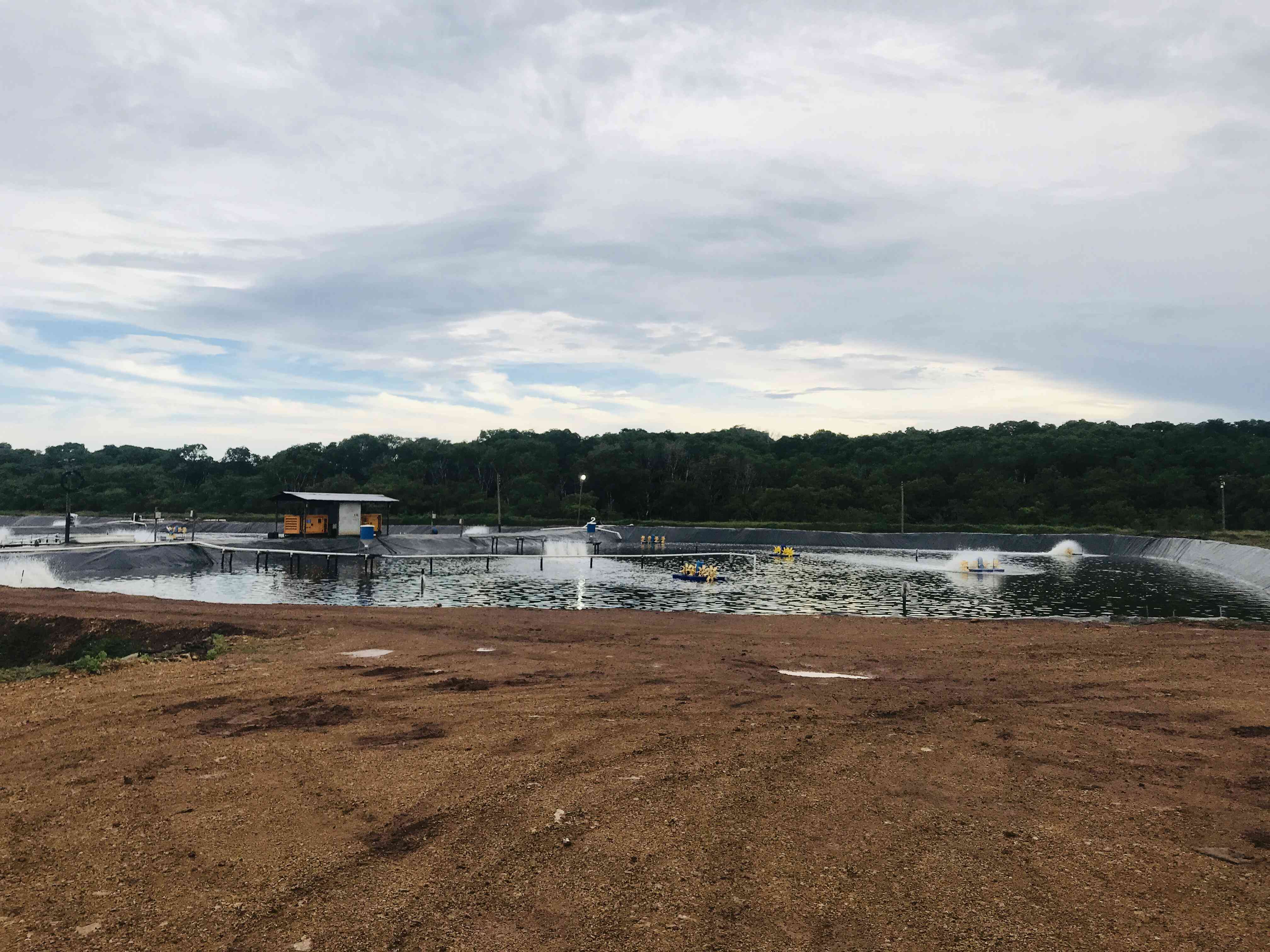
The semi-intensive fish farming system is an advancement from the extensive (traditional) method, incorporating simple technologies to enhance efficiency and production output. One of the main improvements in this system is the more organized and efficient pond design, which facilitates better water management. Ponds in the semi-intensive system are typically rectangular, ranging in size from 1 to 3 hectares. Each pond is equipped with separate inlet and outlet channels, allowing for regular water exchange and better pond preparation before stocking and harvesting.
The semi-intensive aquaculture system can be applied to various types of ponds, including earthen ponds, rice fields, and floating net cages. In pangasius fish farming, this system is often used for nursery stages, where young pangasius fish are raised until they reach a certain size before being transferred to larger ponds or sold to other farmers. A key component of the semi-intensive system is regular fertilization and supplemental feeding. Fertilization boosts the pond’s natural productivity, while supplemental feed ensures that the fish receive adequate nutrition for optimal growth.
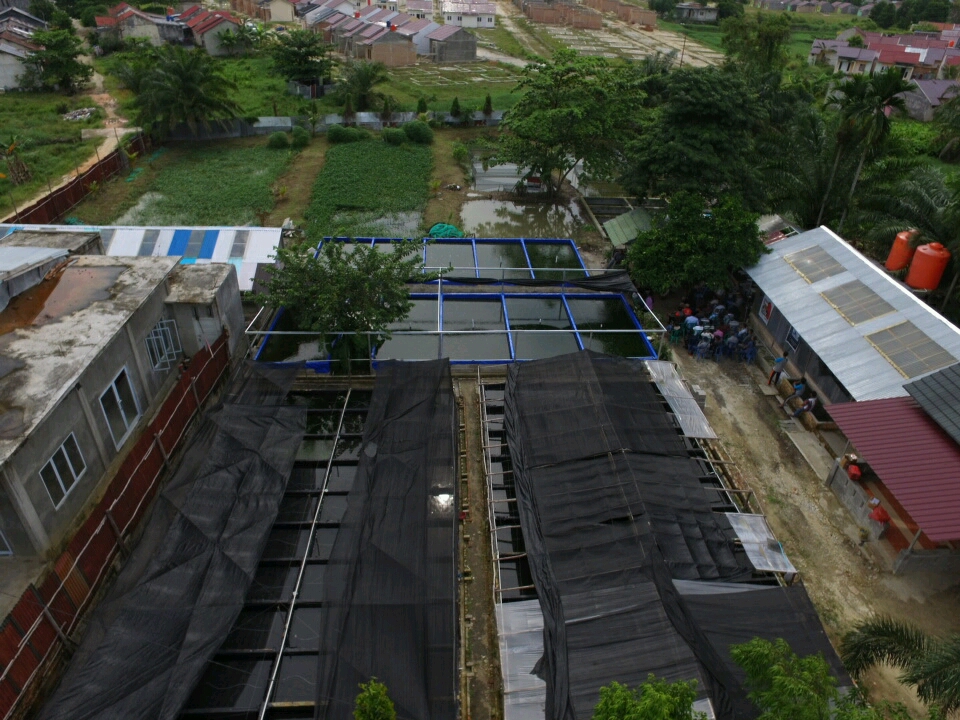
The infrastructure in the semi-intensive system is more developed compared to the extensive system. Well-designed irrigation channels allow for more effective water management, including regular water exchange to maintain pond water quality. Additionally, the semi-intensive system can be integrated with other agricultural and household industries. For instance, fish ponds can be managed alongside goat, duck, or chicken farms, where waste from these livestock operations can be used as organic fertilizer for the fish ponds, creating a sustainable and efficient cycle.

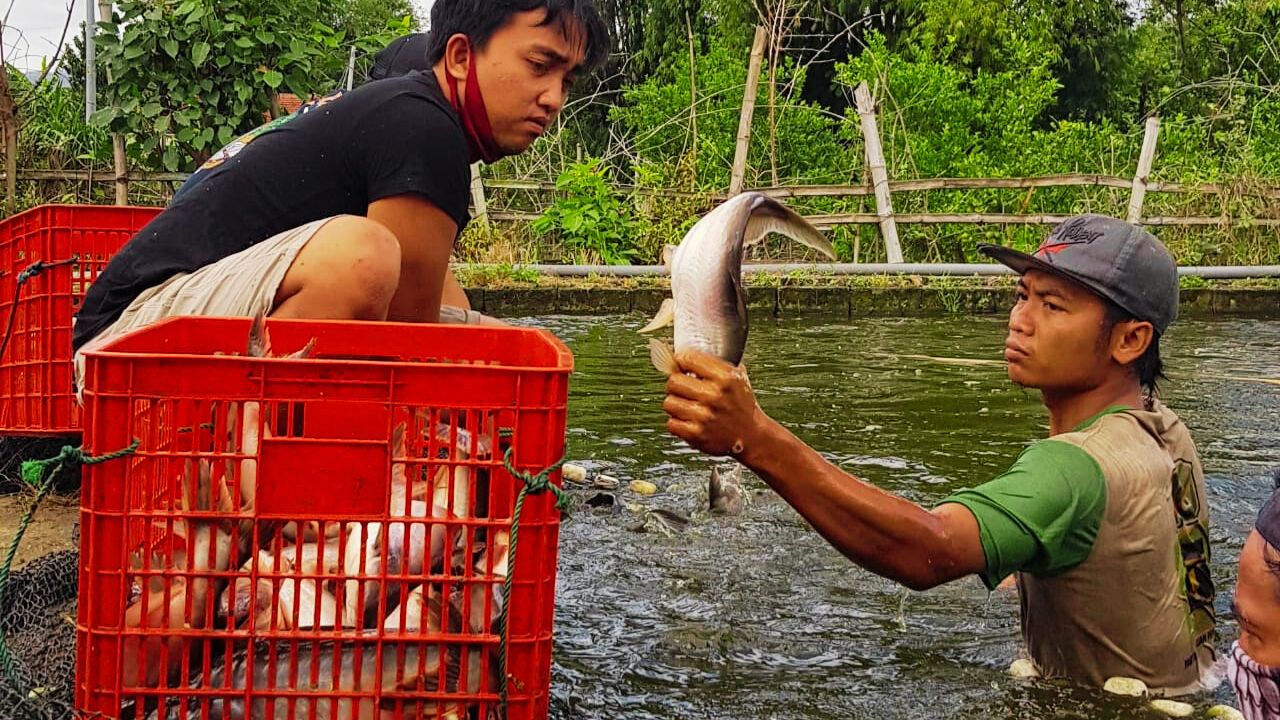
Harvest of pangasius fish from semi-intensive farming with a capacity of 458 kg and a pond size of 72 m² in Tengaran Village, Peterongan District, Jombang Regency, East Java: BPPP Banyuwangi/Edwin Kiswanto
Overall, the semi-intensive system offers a balance between cost and yield, making it more efficient than the extensive system. While it requires a higher initial investment, the increased production and management efficiency make this system an attractive option for many pangasius fish farmers.
3. Intensive system
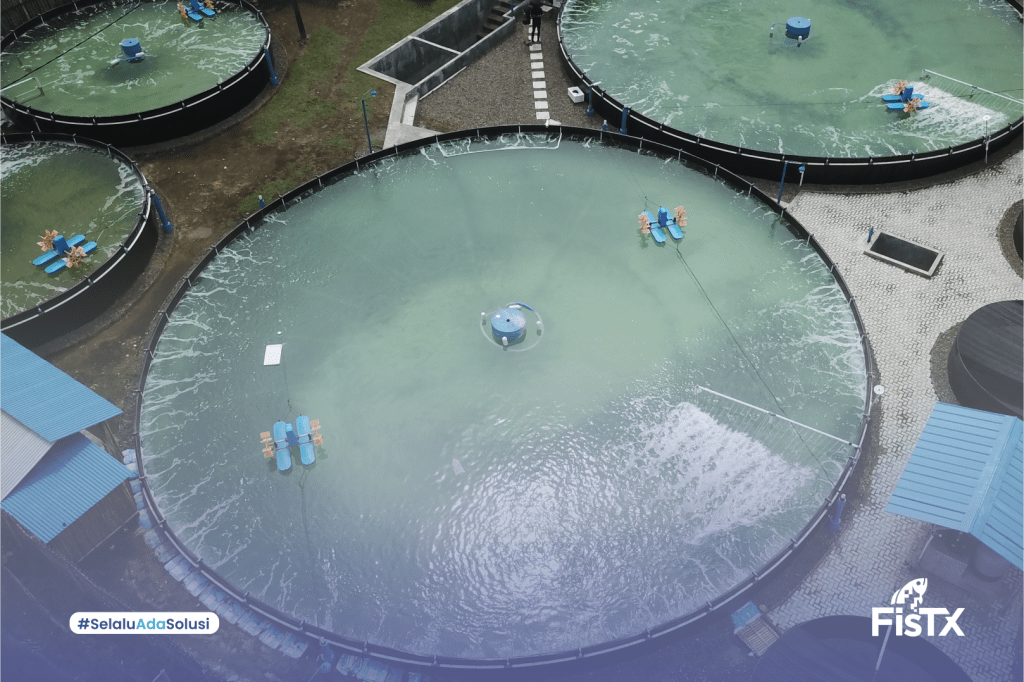
The intensive system in pangasius fish farming is a modern approach that is highly efficient on a micro scale but presents some challenges on a macro scale, particularly regarding environmental impact. This system is designed to maximize production through advanced technology and strict management practices. In an intensive system, the stocking density of pangasius is very high, meaning more fish are raised in a single pond. To support this high density, precise feeding techniques, and optimal environmental management are essential. Feeding is carefully controlled using pellets specifically formulated to meet the nutritional needs of pangasius, typically containing 25-26% protein and 6-8% fat.
However, this system produces more waste compared to extensive or semi-intensive systems. Waste originates from uneaten feed, ammonia excreted by the fish, feces, and dissolved feed particles in the water. If not properly managed, this waste can degrade water quality and lead to serious environmental issues. Therefore, waste and water quality management are critical aspects of the intensive system. Typically, 20% or more of the pond’s water volume is replaced daily to keep water conditions clean and healthy for the fish.
Water treatment in intensive systems often involves the use of mechanical and biological filters to remove solid particles and break down harmful compounds like ammonia. Additionally, proper aeration is crucial to ensure adequate oxygen levels for the fish, especially since high fish density can quickly deplete dissolved oxygen in the water.
Fish production in intensive systems is relatively high and can be further increased as long as oxygen availability, water quality, and feed are consistently maintained. Although this system requires significant initial investment and higher operational costs, the potential profits are substantial. Farmers using the intensive system must be prepared to invest in appropriate technology and management to ensure the success and sustainability of their operations.
Effective environmental management also requires routine monitoring of water quality and fish health. Technologies such as water quality sensors and IoT (Internet of Things) monitoring systems can assist farmers in tracking pond conditions in real time and taking immediate action if any issues arise.
Conclusion
The choice of a pangasius farming system largely depends on the farmer’s conditions and goals. Each system has its characteristics, advantages, and limitations that must be carefully considered before deciding which system to adopt. The extensive system is suitable for farmers with limited resources and personal consumption needs, as it uses simple technology and has low operational costs. However, production output from this system is limited, often sufficient only for family needs.

The price of pangasius fish is 18,000 rupiah or approximately 1.25 USD per kilogram: BPPSDM KP
On the other hand, the semi-intensive and intensive systems are better suited for farmers targeting larger production volumes with a market-oriented focus. The semi-intensive system strikes a balance between cost and yield, allowing farmers to utilize simple yet effective technologies to improve efficiency and production. It is ideal for farmers looking to grow and gradually adapt to more advanced technologies.
For farmers with greater capital and resources, the intensive system offers the potential for very high production through the use of advanced technology and strict management. Although this system requires a large initial investment and high operational costs, the resulting profits can be significant. However, farmers must be prepared to manage the challenges associated with waste, water quality, and potential environmental impacts. Therefore, the use of effective water treatment systems and regular monitoring of water quality is essential in intensive systems.