Tilapia is one of the most popular freshwater fish worldwide, prized for its high economic value and ease of cultivation. In Indonesia, tilapia has become a staple in aquaculture, with communities primarily farming it in rivers and lakes. Known globally as "tilapia," this fish is especially in demand for export markets. Large lakes in Indonesia, such as Lake Toba in North Sumatra and Lake Maninjau in West Sumatra, serve as central hubs for tilapia farming, especially through floating net cages. Notably, Lake Toba is home to Aquafarm, a U.S.-based company that processes tilapia into fillets for export, recognized as one of the world's largest tilapia fillet producers. Companies like Aquafarm not only boost the local economy but also create employment opportunities in the surrounding areas.
However, recent advancements in tilapia farming have not been limited to Indonesia. A noteworthy innovation has emerged from an unlikely region: the deserts of Yazd Province, Iran. Farhad Rajabipour, a civil servant with Iran’s Ministry of Fisheries and Marine Resources, has pioneered biofloc technology to farm tilapia in these challenging desert conditions.
Biofloc-based tilapia farming in the desert
Farhad Rajabipour has led the development of biofloc-based tilapia farming in Iran, facing considerable geographic challenges such as the extreme desert climate. With a strong commitment to advancing aquaculture in Iran, he overcame obstacles posed by dry conditions and significant temperature fluctuations between day and night. Through innovative approaches, he has established a new path in Iran's fisheries sector.
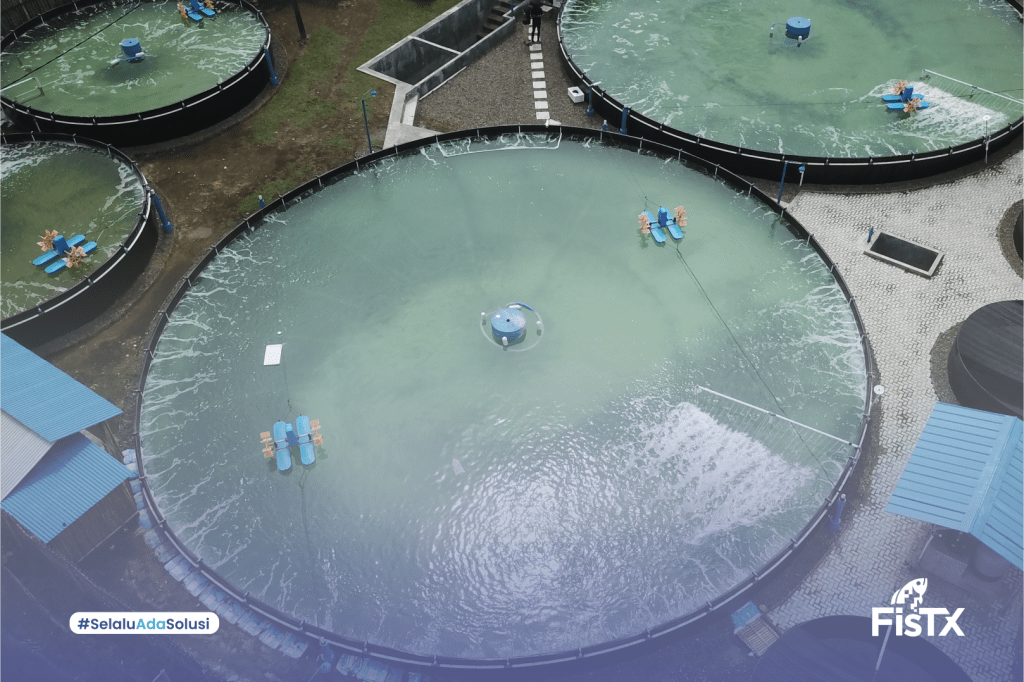
Farhad constructed 300 circular ponds, each 4 meters in diameter, specifically designed for biofloc farming. This system is particularly well-suited for water-scarce environments like the desert, as biofloc technology conserves water by using microorganisms to maintain water quality, significantly reducing water consumption. This technology has proven to be ideal for regions with limited water resources.
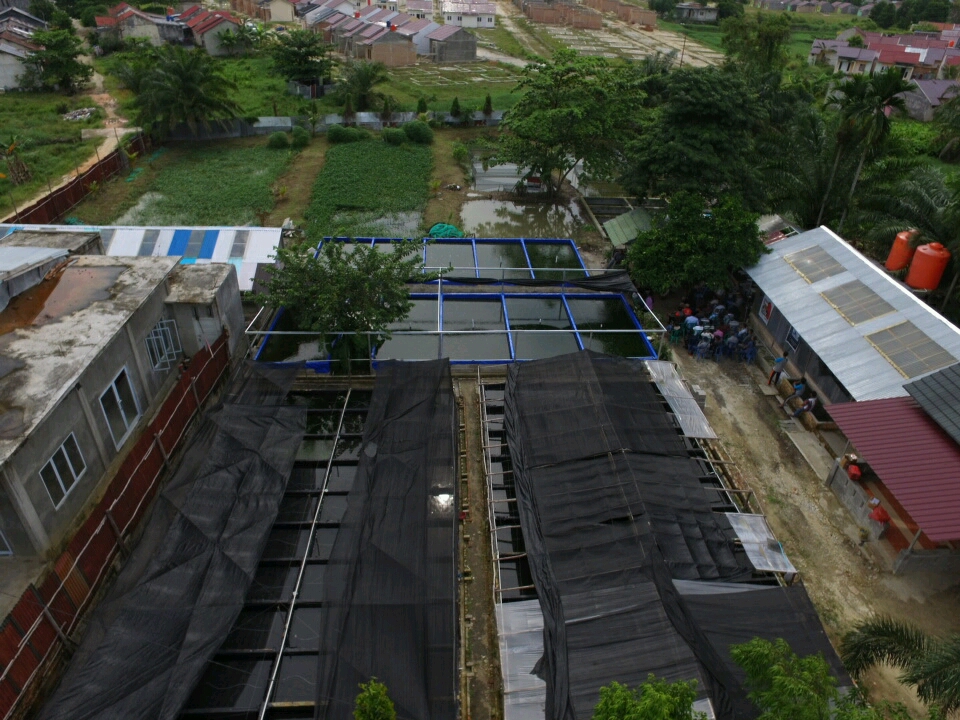
To further ensure the success of the venture, Farhad covered each pond with greenhouse-style enclosures. These covers stabilize water temperature, crucial for desert conditions where daytime temperatures can soar and drop sharply at night. The greenhouses act as protective barriers, maintaining optimal conditions for tilapia growth and supporting steady, healthy development.
The species Farhad farms is the Mozambique tilapia (Oreochromis mossambicus), a red tilapia strain imported from Indonesia. This choice was made for its high market value in some countries compared to the black tilapia, and for its adaptability to large-scale biofloc systems. With a target productivity of 25 kg/m³ and harvest sizes around 500 grams per fish, Farhad hopes this innovation will significantly impact Iran’s aquaculture sector and unlock economic opportunities in desert regions.
A visit to Indonesia for biofloc aquaculture consultation
In 2019, Farhad Rajabipour embarked on an important visit to Pekanbaru, Indonesia, to deepen his expertise in biofloc-based tilapia farming techniques. This trip was more than an educational excursion; it was a strategic step aimed at enhancing his skills for tilapia farming in Iran's desert climate. In Pekanbaru, Farhad visited Banglele Indonesia Aquaculture Consultant (BIAC), a renowned training center for aquaculture, which has a strong track record in training fish farmers from various countries. BIAC offers intensive training covering both technical and management aspects of aquaculture, making it the ideal place for Farhad to build a solid foundation in biofloc technology for implementation back home.

Awang Zaimi from Malaysia, Farhad Rajabipour from Iran, and Beerendra Singh from India visited Banglele Indonesia in Pekanbaru
During his time in Indonesia, Farhad also had the opportunity to visit Lake Maninjau in West Sumatra, a key tilapia farming area using floating net cage systems. This experience provided him with insights into open farming systems that leverage natural lake conditions, offering him a different perspective on sustainable tilapia farming. He observed how Indonesian communities have successfully integrated tilapia farming into the local economy, creating a model of sustainable aquaculture that supports both the environment and local livelihoods.
Following his return to Iran, Farhad maintained regular communication with the Banglele Indonesia team, consulting on various challenges he faced in adapting tilapia farming to Iran’s unique desert conditions. One significant issue was the slower growth rate of the tilapia in his ponds. The BIAC team provided valuable advice, identifying potential factors like high stocking density, suboptimal seed quality, and feed considerations that could impact fish growth.
The BIAC team emphasized the importance of monitoring pond density in biofloc systems, as fish density directly affects water quality and growth rates. They recommended evaluating the fish count per pond to ensure an optimal environment for tilapia growth. Additionally, they advised Farhad to improve the quality of the fish seed used, selecting varieties more suitable for biofloc systems in arid conditions.
Despite these challenges, Farhad remains optimistic and enthusiastic. He believes that through ongoing collaboration and communication with the Banglele Indonesia team, he can continue to refine and enhance his tilapia farming operations. The support from Banglele Indonesia has been invaluable, encouraging Farhad to continuously evaluate and improve every aspect of his work, from feed quality to pond management. For him, these improvements are crucial not only for his own success but also for building a tilapia farming model in Iran that could inspire others in desert climates around the world.

The initial phase of the private project by Negin Sabze Bafgh Co. for tilapia farming in the Iranian desert: Farhad Rajabipour
Aquaculture development potential in Iran
Iran, a major country in West Asia, holds a strategic advantage in international trade. Bordering the busy Persian Gulf, it has extensive access to marine trade routes. Additionally, Iran shares land borders with Azerbaijan in Europe and several Central Asian nations, positioning it as a natural distribution center for various commodities, including aquaculture products like tilapia. This strategic location not only provides economic benefits but also allows Iran to expand its influence in regional and global trade, particularly in the rapidly growing fisheries sector.
With a population nearing 100 million, Iran also has a substantial domestic market for aquaculture products, especially freshwater fish like tilapia. In West Asia, demand for tilapia is rising as awareness grows around the nutritional benefits of fish protein. This demand creates an opportunity for Iran to emerge as a primary tilapia supplier in the region, serving both local consumption and export needs. The large domestic market provides a strong foundation for Iran to further develop its aquaculture sector.
Iran’s ability to leverage suitable technologies for its diverse geography is crucial for realizing its aquaculture potential. An example of such innovation is the work of Farhad Rajabipour, who has pioneered biofloc-based tilapia farming in Iran’s desert regions. In these arid and challenging environments, Farhad uses biofloc technology to optimize water usage, creating a self-sustaining pond ecosystem where microorganisms maintain water quality, supporting efficient fish growth despite the scarcity of water.
Additionally, the use of greenhouse coverings in Farhad's biofloc system offers a key advantage. In the desert, extreme temperature fluctuations between day and night require careful temperature management for the health of tilapia. The greenhouse coverings help to maintain stable water temperatures, protecting the ponds from drastic changes and reducing water evaporation—a critical factor given the desert’s limited water supply. Through this system, Farhad has successfully created an ideal environment for tilapia farming even in water-scarce regions.
Challenges and future opportunities
Despite Iran's promising aquaculture potential, there are challenges that must be addressed for sustainable development. One key issue is limited access to high-quality seeds and feed. Unlike countries like Indonesia with abundant freshwater ecosystems and a well-developed seed production industry, Iran currently relies on importing quality tilapia seeds to ensure optimal yields. Access to superior seeds is essential for boosting productivity, but dependency on imports often raises production costs.

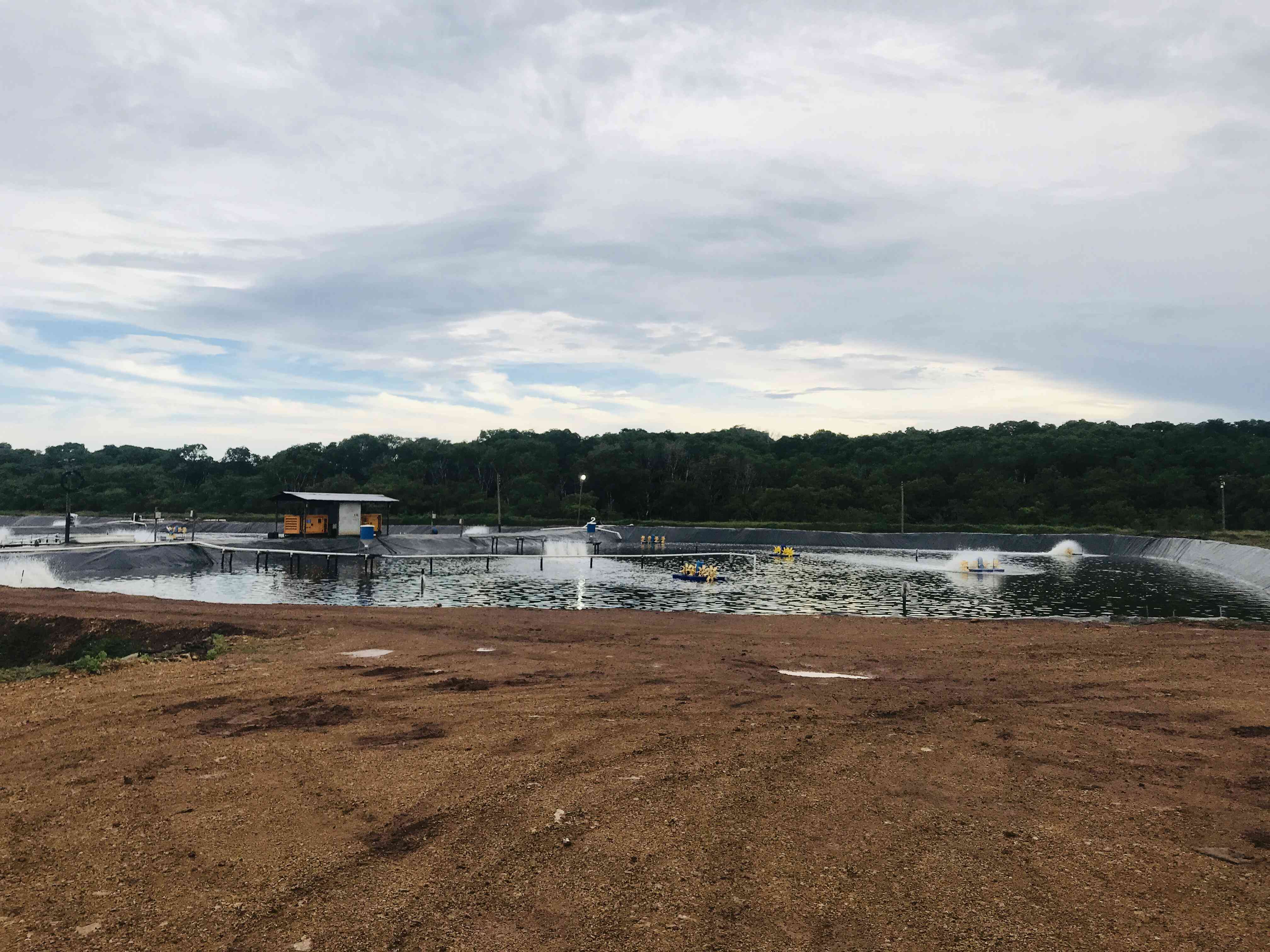
The pond has been filled with water and is now ready to begin tilapia farming: Farhad Rajabipour
Feed availability is another critical factor. Iran needs to develop feed formulations that are both high quality and cost-effective. Good feed should meet the nutritional needs of the fish and support healthy growth. Currently, quality feed imports are expensive and add to the operational costs of aquaculture. Collaborating with countries experienced in feed formulation, such as Indonesia, could help Iran build a more efficient, affordable aquaculture feed industry.
Additionally, limited access to skilled personnel and training facilities in aquaculture poses a challenge. Although the potential is vast, Iran still faces a shortage of experts with advanced knowledge in fish farming and biofloc technology. Partnerships with established institutions, like Banglele Indonesia, could provide valuable expertise and technology transfers to support Iranian fish farmers and aquaculture practitioners.
If Iran can successfully develop its aquaculture sector, this will open up significant export opportunities, particularly to neighboring West Asian and Eastern European markets. With its strategic location, Iran could serve as a distribution hub for freshwater fish, including tilapia, catering to high-demand markets. This growth would have substantial economic benefits, contributing to national income, creating jobs, and empowering local communities in the fisheries sector.