
Fish farming has emerged as a promising economic alternative, especially during and after the COVID-19 pandemic, which limited outdoor activities. In Indonesia, aquaculture is increasingly practiced by local communities, involving a variety of fish types, from freshwater to saltwater and brackish water species. Among these, catfish has become a standout choice in freshwater aquaculture. National catfish production in Indonesia has risen significantly over recent years; in 2022, the harvest reached 1.12 million tons, up from 1.06 million tons in 2021 and 975,000 tons in 2020. This trend underscores the vast potential for catfish farming development in the country.
The success of catfish farming in Indonesia is driven by several factors. First, catfish grow rapidly and can adapt well to diverse environmental conditions, making them a popular choice for farmers. Additionally, catfish are efficient at converting feed into body mass, making the farming process more cost-effective.
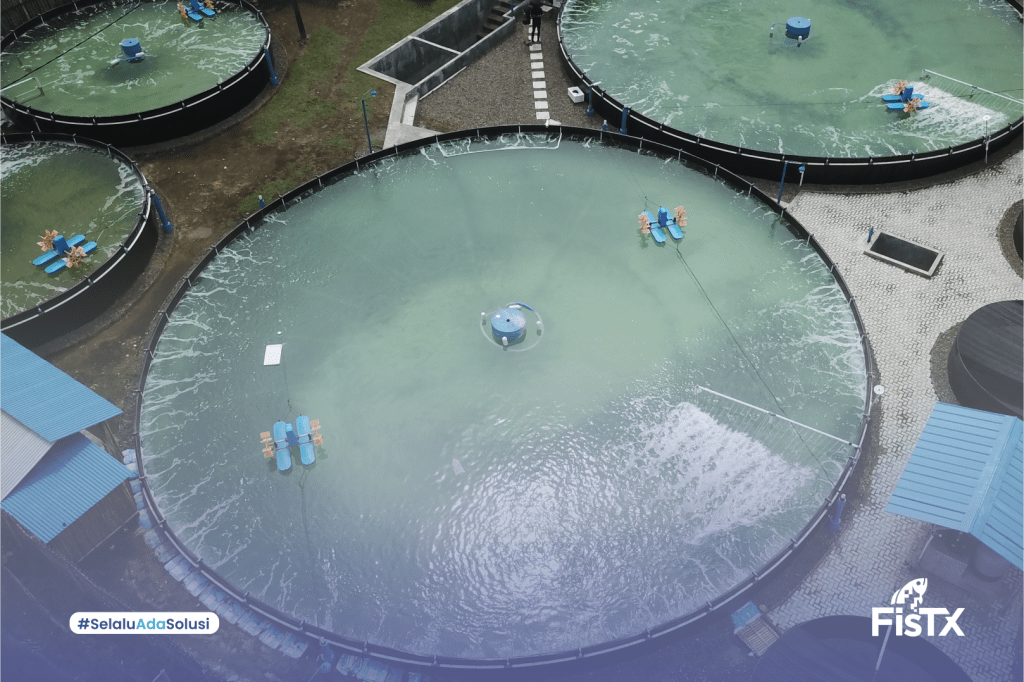
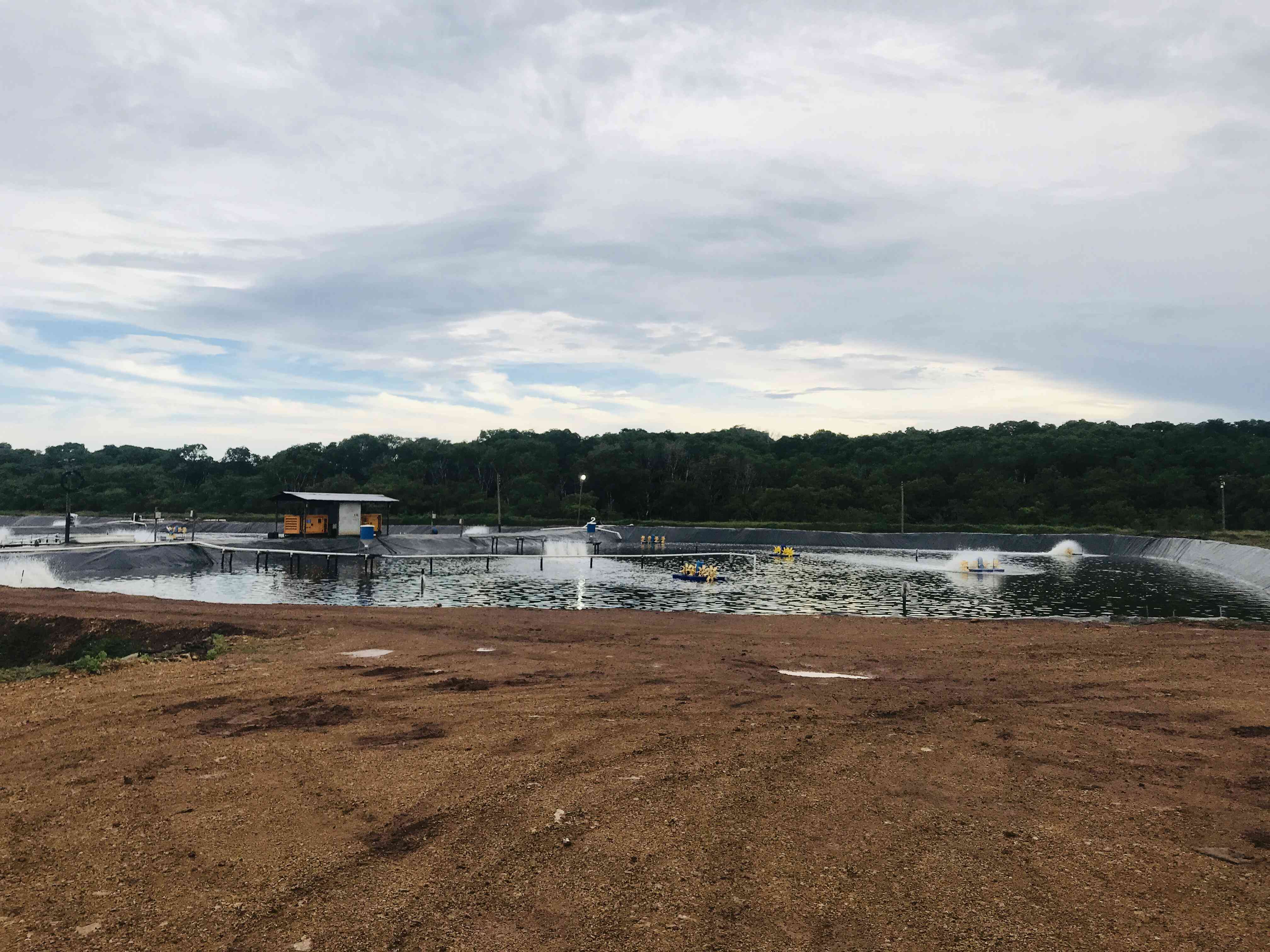
The rise in catfish production is also supported by advancements in farming techniques. Farmers now employ various technologies to boost productivity, such as the use of tarp-lined ponds, efficient aeration systems, and controlled feeding regimens. Furthermore, the adoption of best practices in aquaculture has played a key role in enhancing catfish production.
The market demand for catfish is steadily growing, both domestically and for export. This is fueled by population growth and changing consumption patterns, presenting substantial opportunities for catfish farmers to expand their markets and increase income. Below are the basic steps involved in catfish farming:
Pond preparation
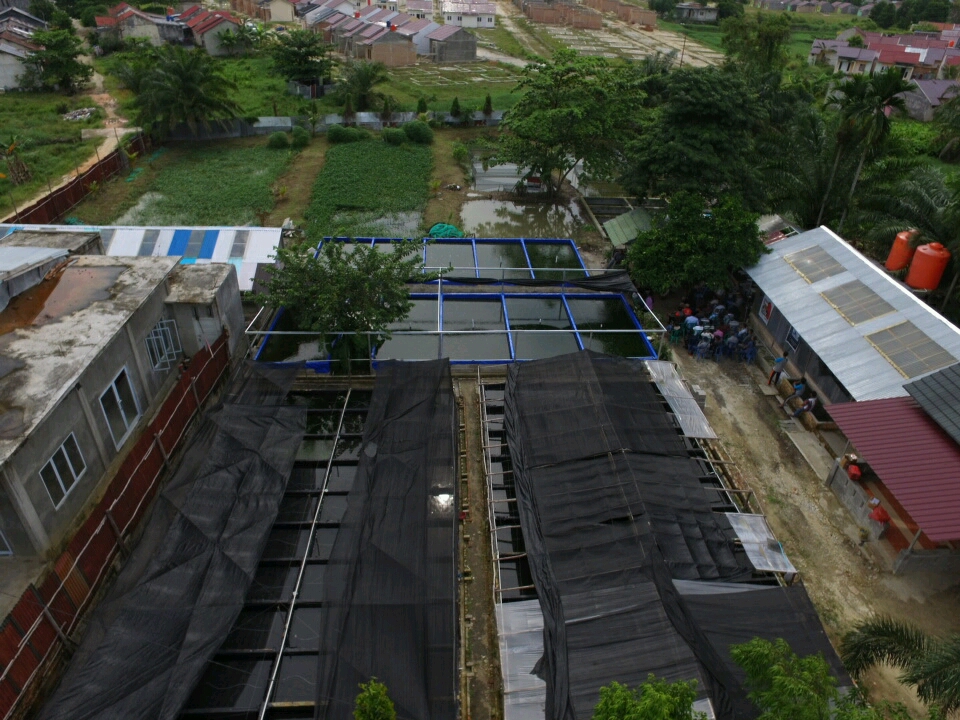
The first step in catfish farming is preparing the pond. A suitable pond should be selected with attention to environmental conditions, labor availability, and funding resources. One common type of pond used is the earthen pond, widely favored by farmers. Key steps in preparing an earthen pond include:
1. Drying and treating the soil
Before catfish fingerlings are introduced, the pond should be dried for 3-7 days, depending on sunlight intensity. When cracks appear on the soil surface, the pond is dry enough. This drying process helps eliminate harmful microorganisms that can cause diseases. After drying, the soil is tilled to increase soil density and release accumulated gases. During this process, black sludge at the pond's base, which often has an unpleasant smell from gases like ammonia and hydrogen sulfide, is exposed. These gases result from uneaten fish feed decomposing in the soil.
2. Applying lime and fertilizer
Lime is added to balance the pond’s pH and control pathogenic microorganisms. Dolomite or quicklime is typically used, applied at a rate of 250-750 grams per square meter, depending on soil acidity. The next step is fertilization, using a combination of organic fertilizer with urea and TSP. Organic fertilizer, often manure or compost, is applied at 250-500 grams per square meter. Additionally, 15 grams of urea and 10 grams of TSP per square meter are added to the pond bed. This fertilization helps promote the growth of aquatic organisms, such as phytoplankton and worms, which serve as natural food for catfish.
3. Water management
The ideal water level for catfish farming is 80-100 cm. Water is gradually added to the pond. After fertilizing, the pond is filled with water to a depth of 30-40 cm and exposed to sunlight for a week. This shallow depth allows sunlight to reach the pond bed, encouraging phytoplankton growth. After a week, the water level is raised to 70-80 cm, and catfish fingerlings are introduced. Water is added periodically as the catfish grow, maintaining the ideal water depth.
Choosing catfish fingerlings
The success of catfish farming is heavily influenced by the quality of fingerlings stocked. In Indonesia, popular types of catfish for farming include dumbo catfish, sangkuriang catfish, and local varieties. Farmers have two primary options for obtaining fingerlings: purchasing them or breeding their own.
The first option involves purchasing fingerlings from a third-party source, such as a hatchery or catfish seed suppliers. This is often chosen by farmers who may not have the resources or facilities to handle breeding themselves. When purchasing, careful attention is required to ensure the fingerlings' quality, including their origin, physical condition, and health status.
The second option is to breed catfish independently. This can be done through various methods, including natural spawning, artificial spawning, or using broodstock kept in breeding ponds. Breeding on-site allows farmers to directly manage the breeding process and ensure high-quality fingerlings.

Catfish fingerlings of 4-6 cm in size, ready for cultivation: BPPP Medan/Pangsan SH
The choice of catfish fingerling type should also align with the local farming environment and production goals. Key factors to consider when selecting fingerling types include growth rate, disease resistance, adaptability to environmental conditions, and market preferences.
Feeding
The recommended feed requirements for catfish based on age for an assumed stock of 1,000 fingerlings are presented in the following table:
Tabel 1. Rekomendasi pakan ikan lele

Proper feeding is key to successful catfish farming, as feed represents the largest component of operational costs. Optimal feed for catfish has a feed conversion ratio (FCR) below 1, meaning less feed is needed to produce body mass. For cost-effective and sustainable farming, a balanced approach using both primary and supplementary feed is recommended.
1. Primary feed
As carnivores, catfish require high levels of animal protein. Their nutritional needs generally include at least 30% protein, 4-16% fat, 15-20% carbohydrates, vitamins, and minerals. Commercial pellets often display their nutritional content, so it’s important to choose reliable products and avoid expired feeds. Feed should be administered based on the fish's body weight (biomass), with catfish typically needing 3-6% of their body weight in feed daily. For example, a catfish weighing 50 grams requires approximately 2.5 grams of feed (5% of its body weight).
Sampling should be conducted every 10 days to adjust feed quantities according to fish growth. Two weeks before harvest, reduce the feed percentage to 3% of body weight. Feed schedules should align with the fish's appetite, typically feeding three times daily: morning, afternoon, and evening. As nocturnal animals, catfish are most active at night, so it’s advisable to allocate more feed in the late afternoon and evening. Observing the fish's behavior during feeding is important: feed when the catfish are actively consuming, and pause if they appear disinterested.
2. Supplementary feed
Supplementary feed can significantly reduce feeding costs, which form the bulk of production expenses. For instance, fish scraps from nearby fish markets, known as "trash fish," can be an economical supplement. Maggots or processed golden snails can also be used as alternative feed sources. When feeding golden snails, it’s best to cook them first, then separate the meat from the shell and chop it up before feeding.
Water management
Effective water management is essential for successful catfish farming. To maximize yields, both the quality and quantity of water need to be maintained. The process begins by filling the pond to a depth of 30-40 cm to encourage plankton growth. This water level promotes optimal plankton development, which is beneficial for the fish. After filling, let the water sit for 2-3 days; once the water turns green (a sign of plankton presence), the fingerlings can be introduced. Throughout the fertilization and stocking period, it’s important to prevent any water from flowing out of the pond, as this could carry away natural feed resources.
Pest and disease management
Common predators in catfish farming include otters, snakes, water mongoose, and birds. Installing filters at the inlet and outlet of the pond or fencing the perimeter can help prevent these pests from accessing the pond. These pests may also introduce pathogens like protozoa, bacteria, and viruses that can cause serious diseases in catfish, such as white spot, bloating, and lesions on the head and tail.
To prevent infectious diseases, water quality must be carefully managed, along with avoiding excessive feeding, keeping the pond clean, and maintaining water temperatures around 28°C. Besides infectious diseases, catfish can also suffer from non-infectious issues like jaundice or vitamin deficiencies, which can be mitigated through balanced nutrition and proper pond conditions.
Harvesting

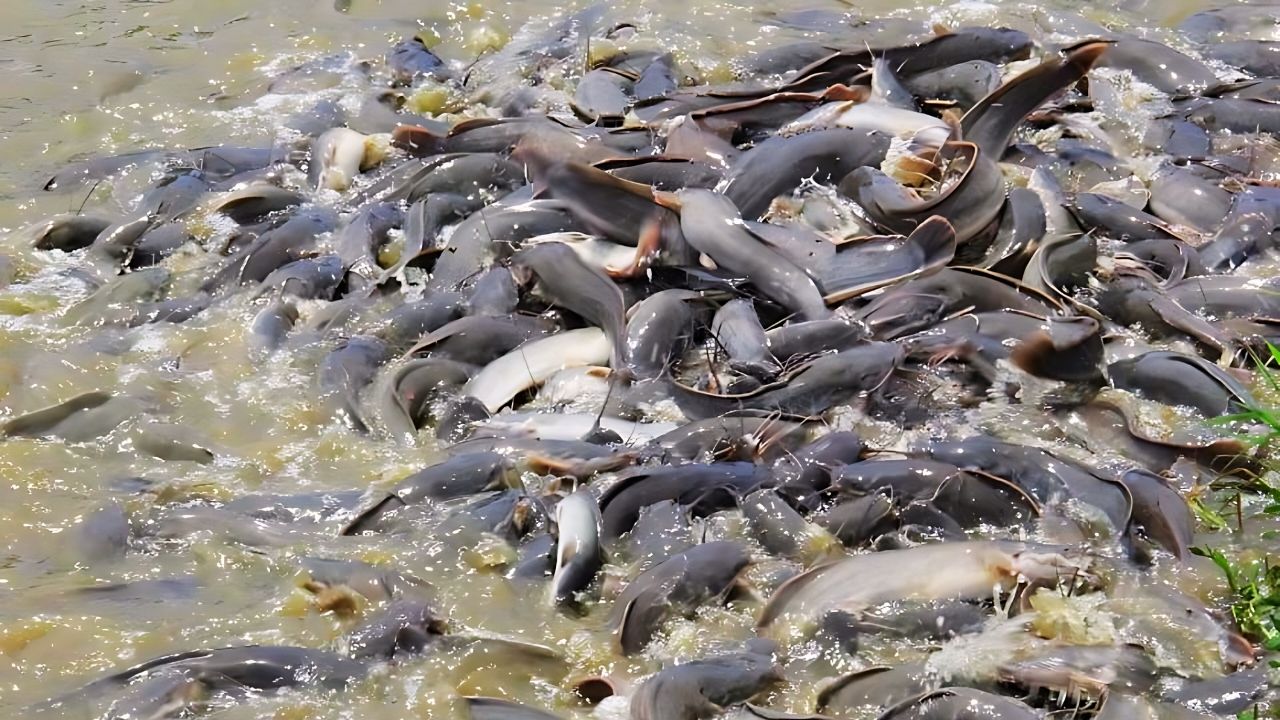
Catfish ready for harvest: Luhkan Salatiga/Asmi Hanik
Catfish are typically ready for harvest when they reach a size of 6-8 fish per kilogram, which usually occurs within 2-3 months if starting from fingerlings of 5-7 cm. For export, however, catfish generally reach 500 grams per fish. To prepare for transport, feeding is stopped 24 hours prior to harvest to reduce waste during transit.
Harvesting occurs in two stages to ensure efficiency and quality. The first stage involves sorting and harvesting about 50% of the fish population that has reached the desired size for consumption. This is done using large nets or other capture tools, separating the market-ready fish from those still growing.
In the second stage, the remaining fish are harvested by fully draining the pond, often with a diesel pump. This method ensures that all fish are collected and transported to a waste collection pond, following Environmental Impact Assessment (EIA) guidelines. This step allows for complete pond clearance and removal of any leftover feed and waste.
During the total harvest, pond maintenance is also conducted to prepare for the next farming cycle. Maintenance includes cleaning, structural repairs, and potentially replacing or upgrading pond elements such as the pond bed, aeration systems, and water channels. This preparation helps ensure the pond is ready for the next cycle of catfish farming, setting the stage for optimal production.