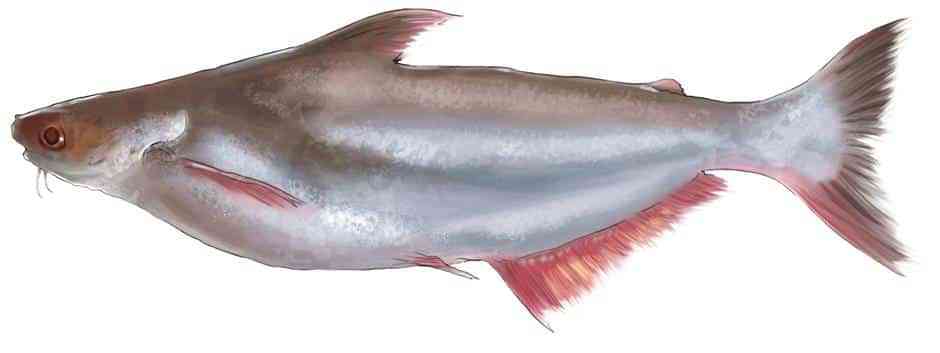

Broodstock fish are fish whose age and size have reached the adult level so that they can be used to be spawned and produce seeds and prospective broodstock. Prospective broodstock is fish from the selection that can be used as broodstock. One type of fish that is easily obtained by the broodstock is Pangasius fish. To obtain superior pangasius broodstock candidates, obtain it from prospective broodstock who have passed the determination as a superior commodity by the Minister of Marine Affairs and Fisheries.
1. Healthy and superior Pangasius broodstock
The criteria for good Pangasius broodstock are Pangasius broodstock at least 2-2.5 years old and the weight of male broodstock is at least 730 grams, female broodstock is at least 1,000 grams. Broodstock maintenance management aims to increase efficiency and productivity in the hatchery business and produce good seeds, both in terms of quality and quantity. The initial standard of broodstock rearing is to produce healthy or non-defective larvae (premature). Healthy larvae are obtained from well-maintained broodstock, that is, they get quality feed and meet the requirements as broodstock feed and are kept in a container with good water quality.
2. Selection of prospective Pangasius broodstock
Broodstock selection is the activity of selecting broodstock based on the maturity of gonads or mature eggs and those that have not. The goal is to get broodstock that is ready to spawn, where the egg cells of the female brood stock can be fertilized by the sperm cells of the male brood fish. This activity is carried out after the maturation of the gonads and before spawning. In general, the characteristics of a good broodstock are fast growth, not defective, aggressive, and healthy.
Prospective male and female broodstock that kept are not from the same offspring so that during spawning, inbreeding does not occur. The following steps are taken to select Pangasius broodstock that is ready to be broodstock are as follows:
- Age of female Pangasius broodstock is at least 2.5 years old and weighs 2.5-3 kg/head.
- The age of male Pangasius broodstock is at least two years old and weighs 2-2.5 kg/head.
- The posture of the female broodstock tends to be widened and short, the stomach is soft, smooth and enlarges towards the anus. The genitals (urogenital) are swollen and open and are dark red in color.
- The posture of male broodfish is relatively slimmer and longer. The Urogenital is swollen and dark red in color. If the stomach near the genitals is massaged, a thick white discharge (sperm) will be released.
3. Management of Pangasius broodstock
The steps taken during the maturation process of Pangasius broodstock are starting from the maintenance, feeding, water quality management, and handling of pests and diseases:
3.1. Maintenance container
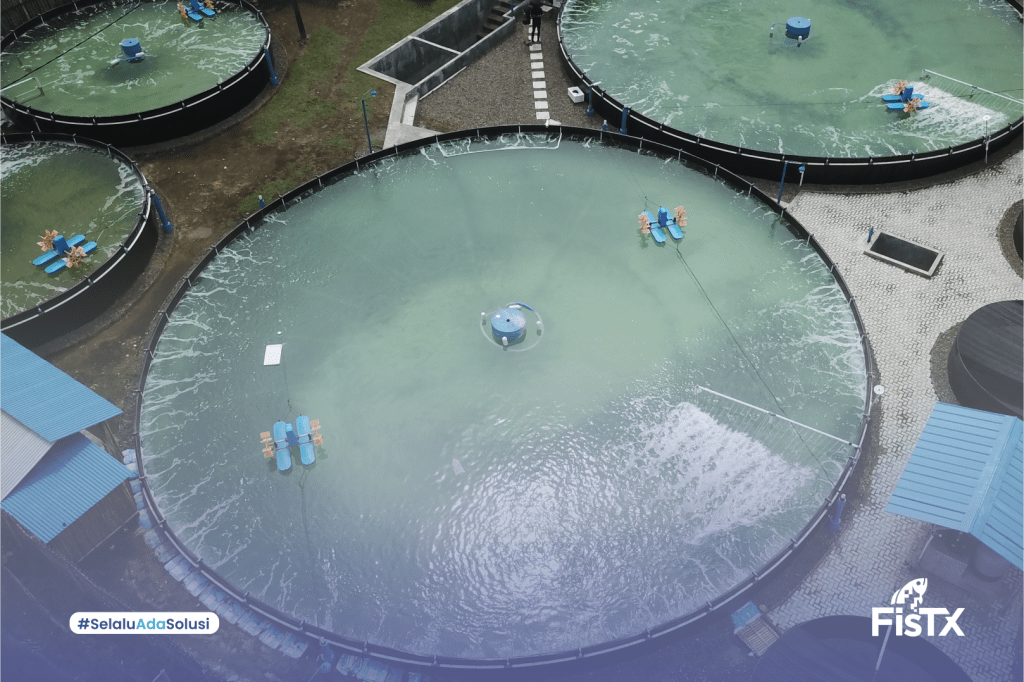
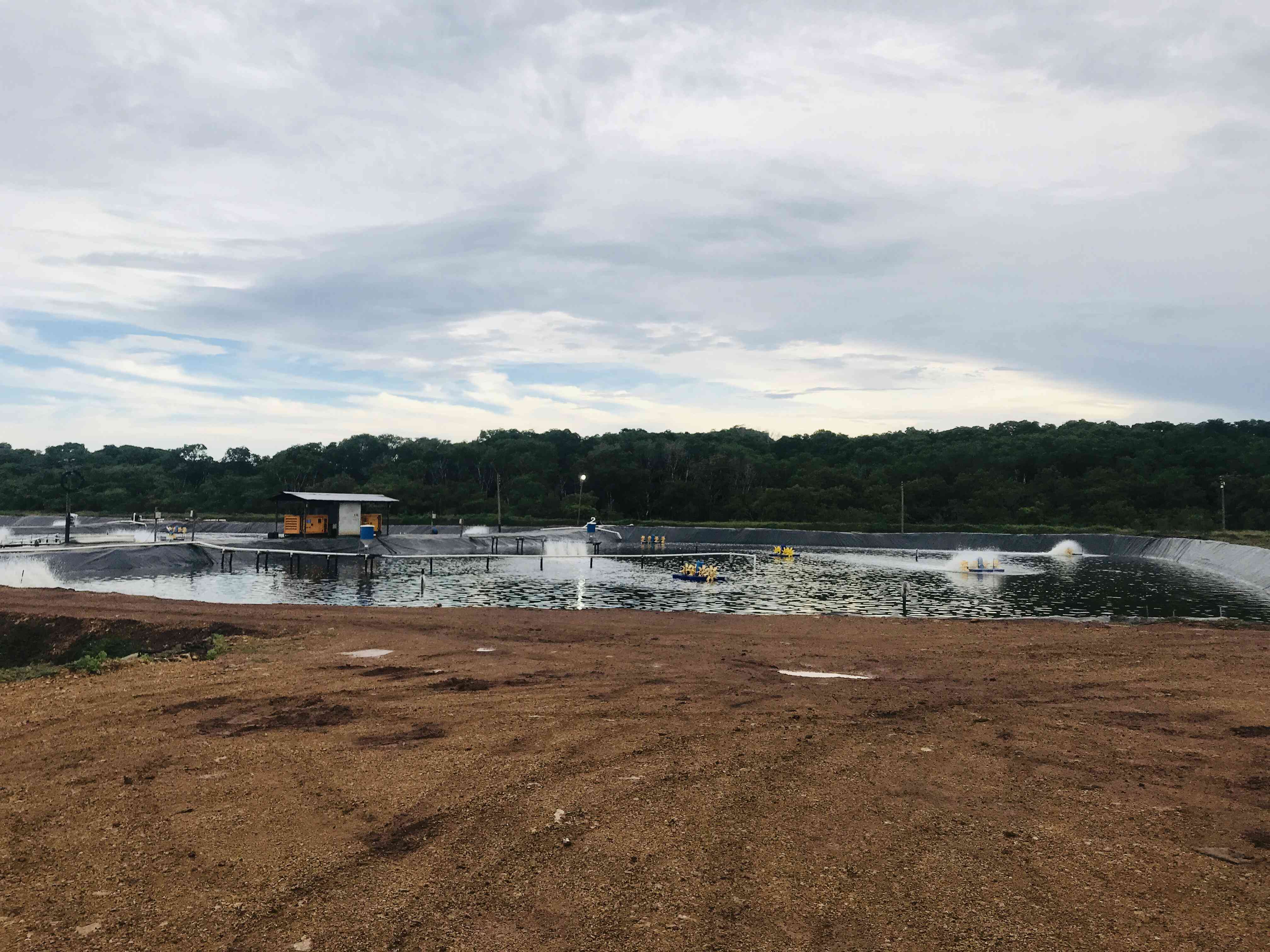
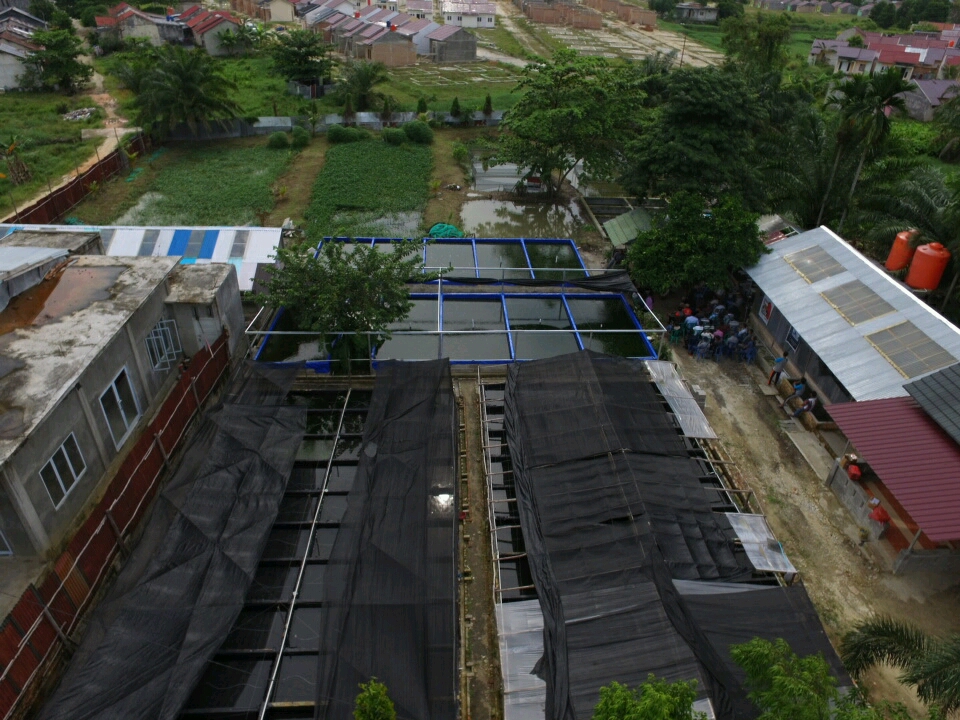
The pond is the most suitable container for maintaining Pangasius broodstock. Containers that can be used are such as concrete ponds that are ground-based or cages such as floating net cages (KJA). These containers have their respective advantages and disadvantages. Concrete ponds which are ground-based have advantages including being suitable for flat land surfaces, far from being polluted by water from outside, and natural products which can increase fish yields. On the other hand, the drawback is the possibility of changing water depending on the season. Large variation in water quality (pH, liquid oxygen, etc.) between day and night, and requires regular dewatering of sludge.
The advantages and disadvantages of floating net cages (KJA) are the advantages of small volume and high fish stocking density, simple and inexpensive technology, easy management and management. In addition, the drawback is the risk of releasing fish into river waters, the risk of unexpected water pollution.
3.2. Feeding
Feeding is a significant factor in keeping broodstock in a healthy condition. To increase and raise Pangasius broodstock, a protein-rich feed can be used with an adequate feeding dose. Pangasius broodstock can be fed as follows:
- pellets with a protein content of 35%.
- feeding is adjusted to the bodyweight of the fish.
Table 1. Feeeding management of Pangasius
|
Bodyweight |
Daily feed ration |
|
500-1,000 g |
2,0% |
|
1,000-2,000 g |
1,5 % |
|
> 2,000 g |
0,8 – 1 % |
The calculation of feeding is done in the following way:
- Protein content of feed 1 : protein content of feed 2 = protein ratio of 35% : 25% = 1.4
- The ratio of protein x daily ratio with feed 1 = new daily ratio 1.4 x 0.8% = 1.12%. The new feed ratio is 1.12% of the total biomass with feed 2.
In general, feeding is given 2-3 times a day or according to body size and appetite for Pangasius fish.
3.3. Water quality management
Water used as a medium for cultivation must have a standard of quantity and quality in accordance with the living requirements of the fish. Several water quality parameters that are quite important for cultured fish are temperature, pH and dissolved oxygen. The optimum water temperature for fish appetite is between 22-29 °C. At this temperature the fish will eat greedily, this happens in the morning and evening.
The principle of water management is to enter useful substances such as O2 or new water into the cultivation container and remove those that are not useful and even harmful, such as leftover food, fish waste, ammonia (NH3), and CO2. Water quality is directly related to water cleanliness. Therefore, the water used for the maintenance of Pangasius broodstock should come from clean water sources. The stages in water quality management in order to provide health for Pangasius broodstock are as follows:
- Change of water
Pond water changes are carried out periodically or when the quality has deteriorated. Decreased water quality is indicated by excessive turbidity, odor, or changes in color to dark green. In addition, fish activity has also changed, starting from reduced appetite to stopping eating altogether. Poor water conditions are also characterized by fish frequently or constantly coming to the surface of the pond to take in oxygen directly. The process of replacing water can be carried out in stages, that is, one per three parts are removed and replaced with new ones. The water released is water from the bottom of the pond. Thus, the pile of manure and rotting feed that remains at the bottom of the pond is also wasted.
- Adding water
The addition of water to a pond or cage usually uses water that comes from a borehole or a pump using a diesel pump which is channeled using a plastic hose or pipe to the pond. The water source that enters the pangasius fish farming pond should be clean and clear. The source of water that is cloudy due to mud will disturb the health of Pangasius fish and support the growth of various diseases.
3.4. Handling pests and diseases of Pangasius fish
Handling of pests and diseases can be done in two ways, namely prevention (preventive action) and treatment (curative action). Prevention is an effort to prevent attacks from various types of pests and diseases in the form of parasites. Meanwhile, treatment is an effort to treat fish that are attacked by pests and diseases so that they can be healthy again. Prevention of pests and fish diseases is the most effective way compared to treatment, because the costs incurred will be cheaper and will not cause side effects to fish and people who eat fish. Diseases that attack fish are a relationship process between three factors, namely the environment, fish, and disease corpses. Fish that are attacked by disease corpses are the result of incompatible interactions between the environment, fish and disease-causing organisms.
In addition to these factors, pests and diseases generally also attack after fish broodstock experience physical problems, malnutrition due to poor quality of feed, decreased quality of pond water, poor environmental sanitation, as well as limited knowledge and skills of cultivators regarding fish pests and diseases.