
Not only tilapia fish hatcheries are just part of the fishing industry; it also has a crucial role in providing quality seeds to cultivators. In an effort to achieve this goal, engineering spawning and egg hatching plays a central role. Both are at the heart of an effective seeding process. Through this article, we will dive in depth into the practical steps required to carry out these two processes, as well as review the important factors that must be considered to ensure their success.
Spawning process of tilapia fish is a very important first step in hatching. This process is carried out en masse in spawning ponds with careful planning, including preparing an ideal pond environment and selecting quality broodstock. On the other hand, egg hatching is the next stage which is no less important. At this stage, water quality and environmental conditions are determining factors in the success of egg hatching.
Process of spawning
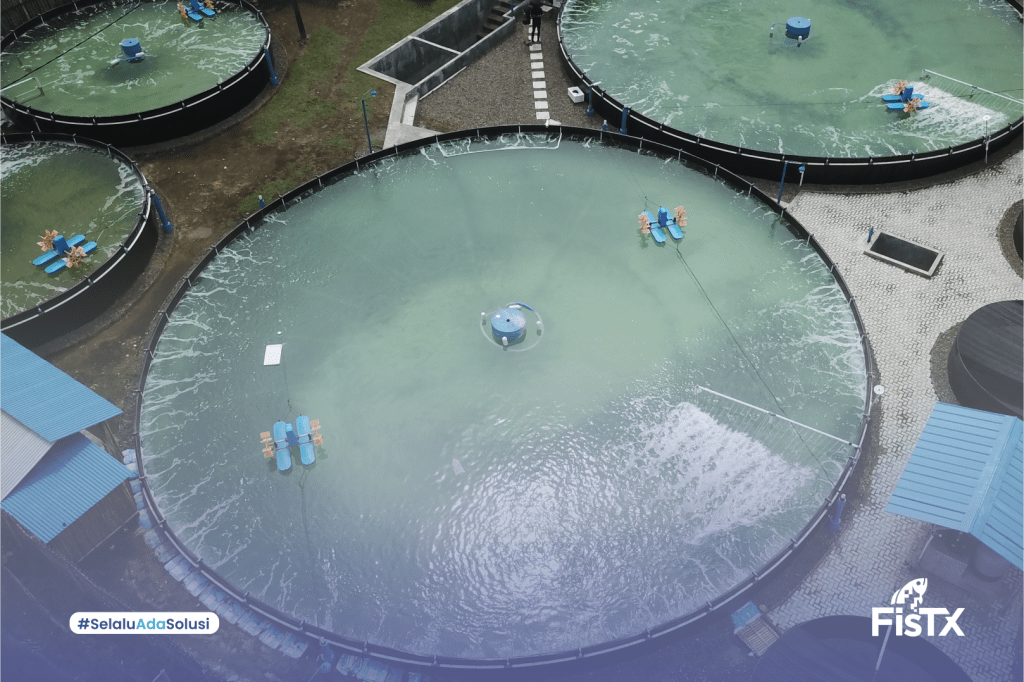
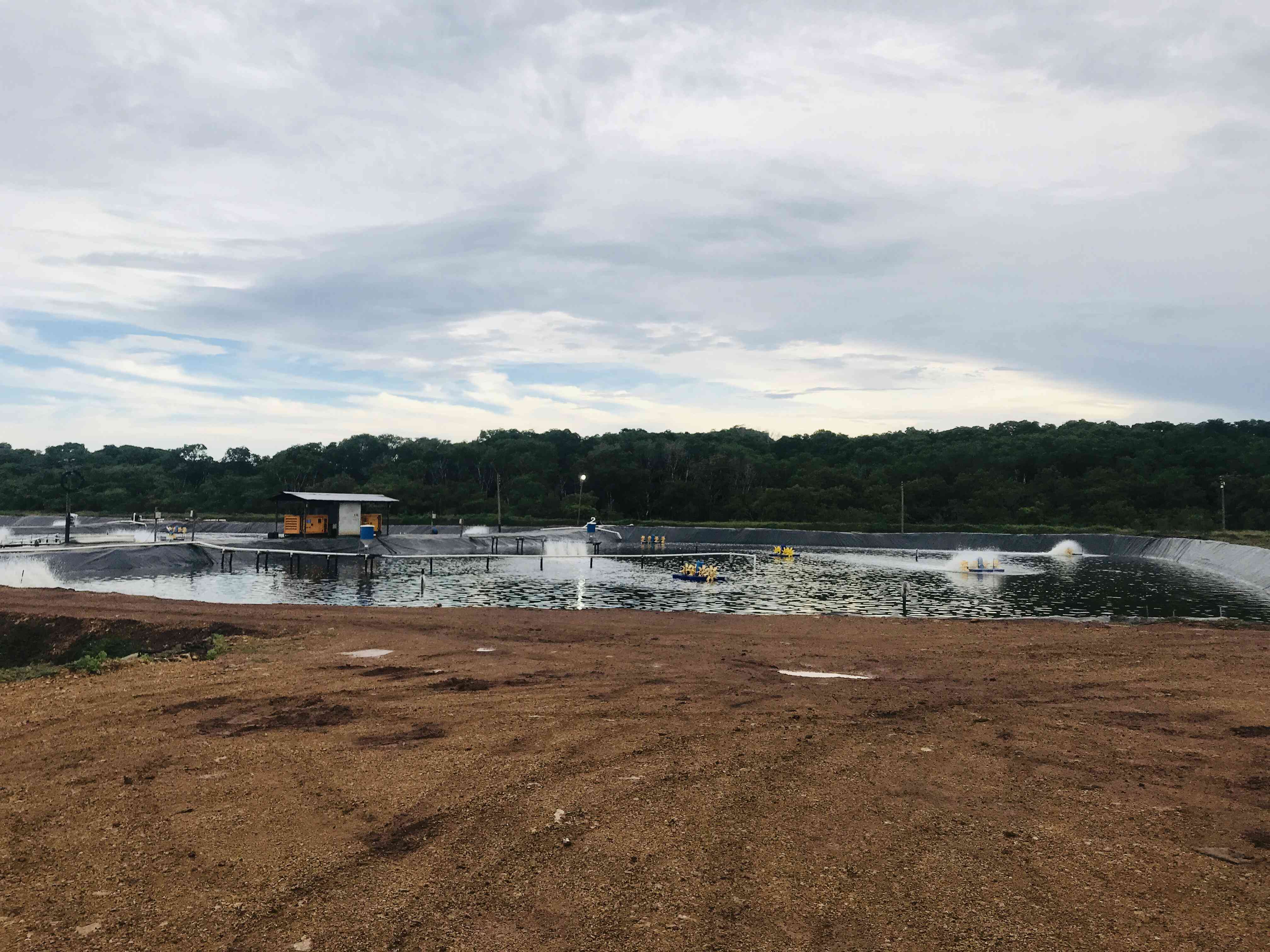
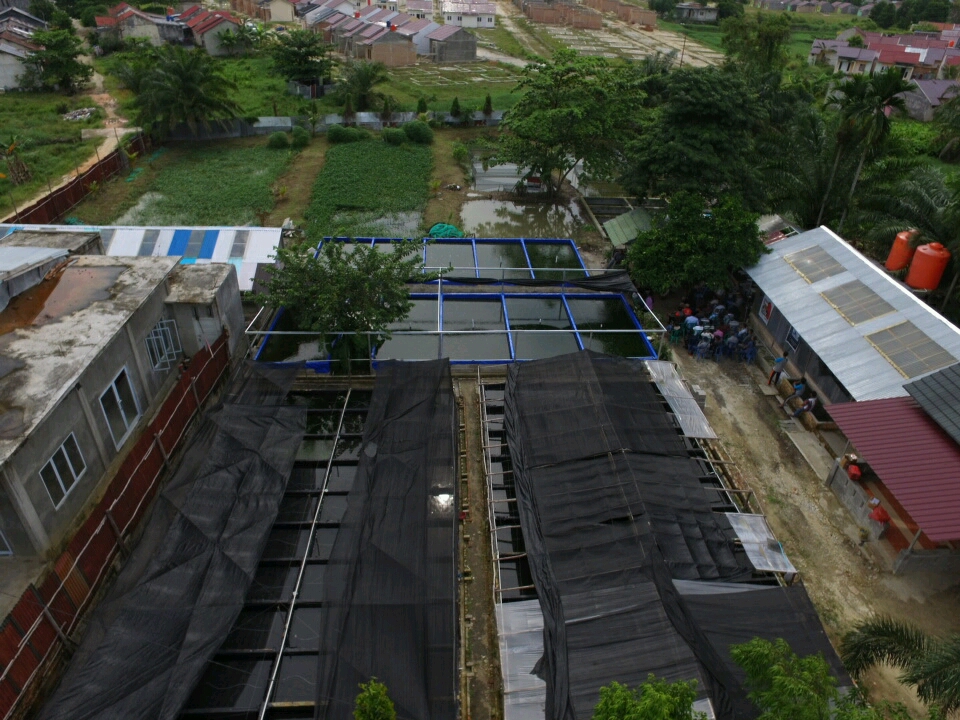
Process of spawning tilapia fish is a very important stage in order to achieve success in hatching. Usually, this process is carried out en masse in spawning ponds that have been well prepared. An ideal spawning pond has special characteristics that support tilapia spawning activity. One of the main characteristics is the sloping bottom of the pool, with a slope of around 2-5 percent. This slope is important because it helps in spreading the eggs produced by the female, so that the eggs can be spread evenly in the pond.
Apart from that, spawning ponds are also usually equipped with mud holes as a place for fish to lay their eggs. This mud hole is a favorite location for the female parent to lay her eggs. Suitable pond environmental conditions are essential to trigger a successful spawning process. Therefore, careful monitoring and regulation of temperature, pH and overall water quality must be carried out before and during the process of spawning.
During the process of spawning this is done, male and female broodstock are usually spread together in ponds at appropriate densities. The ideal density is usually around 1 fish per square meter. Apart from that, the ratio between the number of male and female parents also needs to be considered. Generally, the recommended ratio is 1 male for every 3 females. This helps in increasing the chances of fertilization of the egg by the sperm produced by the male parent.
Process of spawning usually occurs around 7 days after the parent is put into the pond. During this process, it is important to continue providing food to the fish as in the parent rearing pond. Providing sufficient feed will help maintain the health and stamina of the fish during the process of spawning taking place.
Egg hatching process

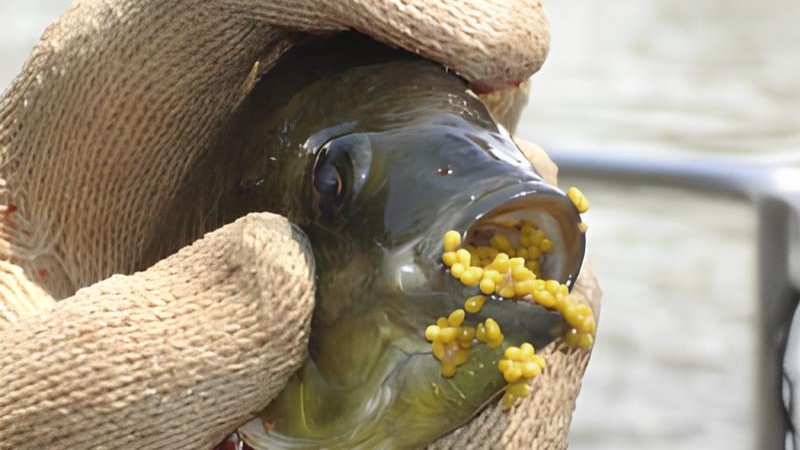
The process of hatching eggs in the female's mouth
Water quality is a crucial factor that influences successful hatching tilapia eggs. Temperature, pH and dissolved oxygen levels are the main parameters that must be monitored carefully during the hatching process. Stable and optimal water temperature is very important because it can affect the development of eggs and larvae. Temperature variations extreme, either too high or too low, can hinder the egg hatching process or even cause egg death. Ideally, the water temperature for incubating tilapia eggs is between 25-28 degrees Celsius.
Apart from temperature, the pH of the water also needs to be carefully considered. Significant changes in pH can affect the chemical balance in the eggs and disrupt embryo development. The ideal water pH for incubating tilapia eggs is usually in the range of 6.5-8.0. Regular monitoring and pH adjustments if necessary will help ensure optimal environmental conditions for egg development.
Dissolved oxygen levels are also a very important factor in the egg hatching process. Tilapia fish eggs require an adequate oxygen supply to support the growth of the embryo inside. Low oxygen levels can inhibit egg development and cause hatching failure.
Once the eggs have been fertilized, the female will take the eggs into her mouth to incubate for 5-7 days. During this period, the female will carefully guard the eggs, protecting them from potential predators and maintaining the environmental conditions in her mouth so that they remain optimal for embryo development. After the eggs hatch, the larvae will appear on the surface of the pool water. At this early stage, the female parent will continue to care for and protect the larvae until they reach the age of around 7-10 days and reach a size of around 8 mm.
Determining success factors
Determinant factors for success in the process of spawning and hatching tilapia eggs include a number of important aspects that must be considered carefully. One of the main factors is the environmental conditions in the spawning pond, where temperature, pH and dissolved oxygen concentration are key points. Stable and ideal temperatures play an important role in triggering fish reproductive responses and ensuring optimal egg development. Significant temperature variations can disrupt reproductive cycles and embryo development, so regular temperature monitoring and proper regulation are necessary.
Apart from temperature, water pH is also important to influence biochemical balance in the pond. Sharp changes in pH can disrupt sensitive biological processes, such as egg fertilization and embryo development. Maintaining water pH within an appropriate range is key to supporting the survival of tilapia eggs and larvae. Using a pH buffer if necessary can help maintain the stability of the pH of the water in the pool.
The availability of dissolved oxygen in water is also an important factor that must be considered. Oxygen is required by fish embryos and larvae for proper respiratory and metabolic processes. Low oxygen concentrations can disrupt embryo development and cause low survival rates in larvae. Increasing pond aeration and regular monitoring of water quality are important steps in ensuring the availability of sufficient oxygen for tilapia eggs and larvae.
Apart from environmental factors, selecting healthy and quality parents also plays an important role in the success of the seeding process. Healthy mothers tend to have good reproductive conditions and can produce quality eggs. Selecting quality broodstock can also help in improving diversity genetics in tilapia fish populations, which in turn can increase resistance to disease and adverse environmental conditions.

Examples of quality tilapia broodstock for spawning
Conclusion
Technique spawning and hatching tilapia eggs is not just a mechanical process, but an art that requires a deep understanding of fish biology and environmental dynamics. In facing the challenges and complexity of nature, a mature understanding of the fish life cycle, reproductive needs, and environmental factors influence be crucial. By properly applying this knowledge, farmers can ensure optimal survival and development of tilapia eggs and larvae.
Proper practice in technique spawning and hatching is not only related to technical aspects, but also pays attention to ecological aspects. For example, placing spawning ponds in locations that suit local environmental conditions, such as the availability of sufficient sunlight or protection from extreme weather, can help create an environment conducive to the spawning process. In addition, monitoring and controlling water quality regularly is an important step to maintain the balance of the spawning pond ecosystem.