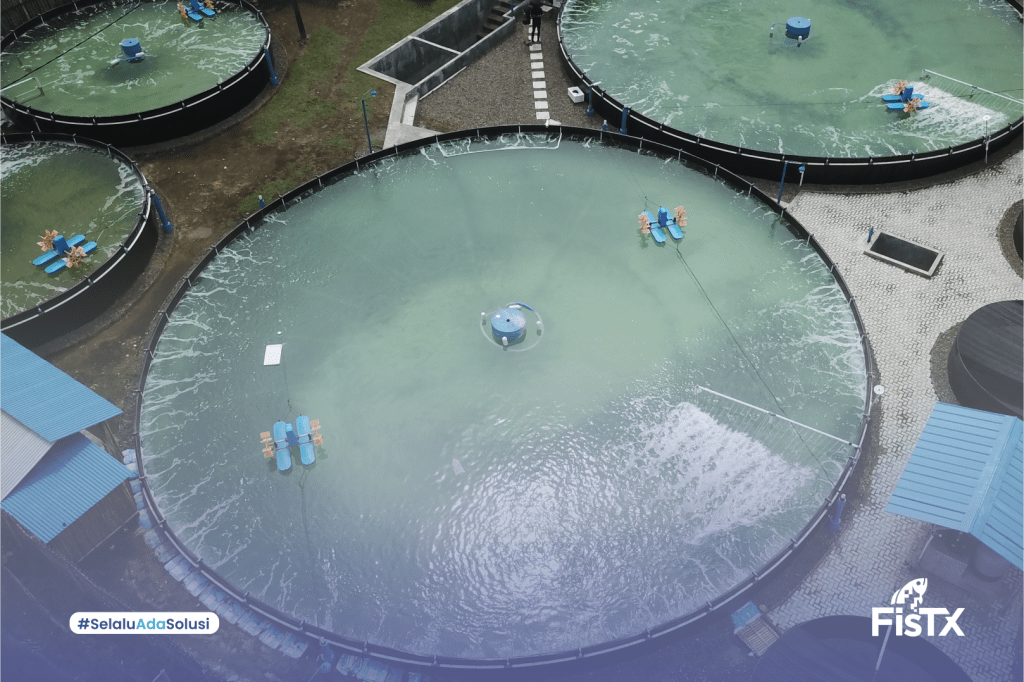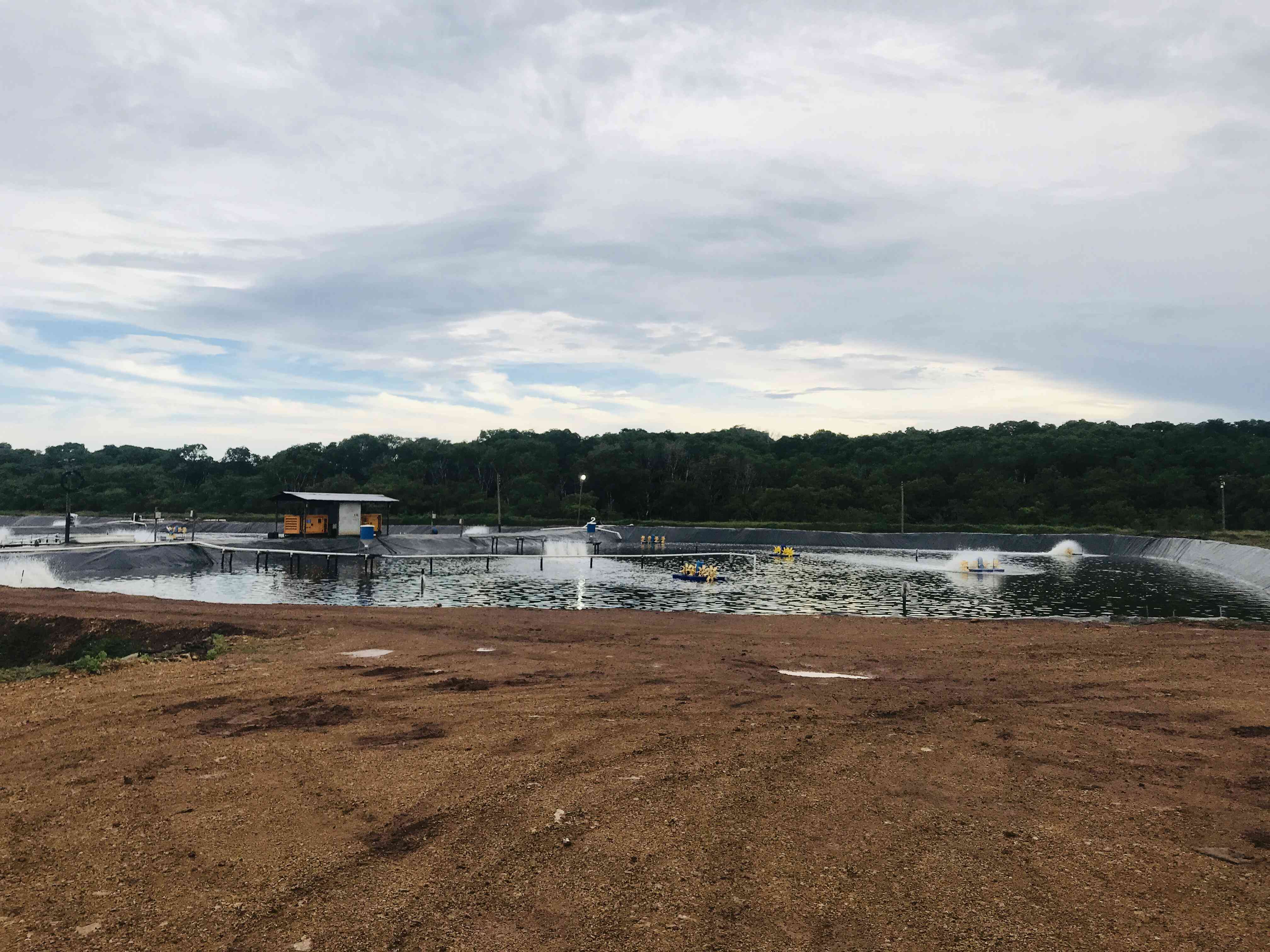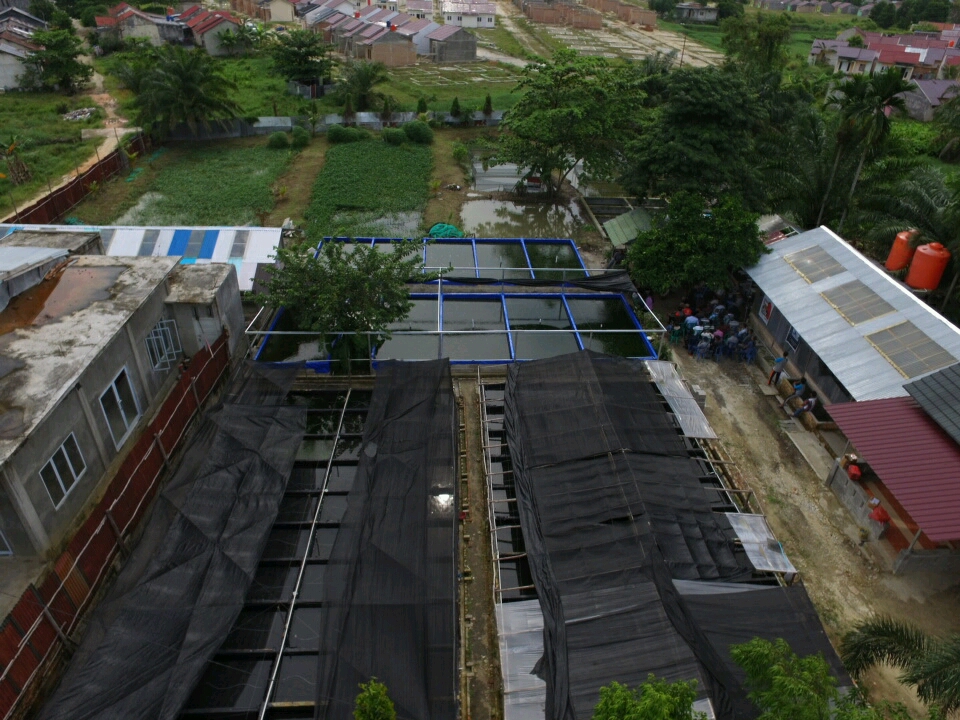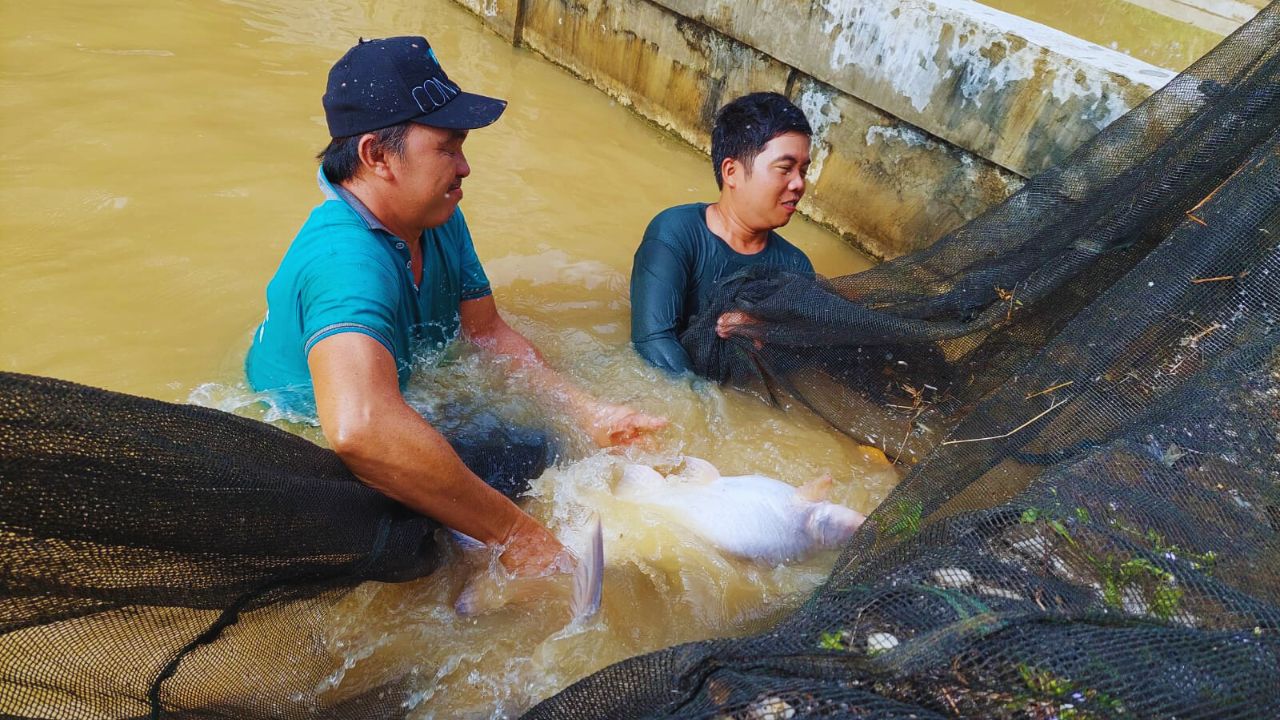

The pangasius fish (Pangasianodon hypophthalmus) has become a rising star in Indonesia's aquaculture industry, gaining popularity as a widely cultivated freshwater species. Pangasius farming has spread to various regions across Indonesia, where fish farmers use multiple methods to maximize production, including cage farming, shallow earthen ponds, and deep earthen ponds. Among these, deep pond farming has emerged as a preferred choice.
Deep ponds are highly favored by pangasius farmers because they can double production compared to other methods. Additionally, deep ponds are believed to improve the quality of pangasius meat, making this approach popular among farmers focused on both high yield and quality.
Several factors support the effectiveness of deep ponds in enhancing pangasius production and quality. One significant advantage is the reduction of muddy odor in pangasius meat, a common issue when the fish are raised in shallow, muddy environments. Pangasius naturally forages near the bottom, which can lead to an undesirable taste when fish consume mud. In a deep pond, food is delivered directly to the fish more efficiently, reducing the chance they consume mud.
Moreover, deep pond farming provides environmental management benefits. These ponds have a higher capacity to accommodate fish waste, which minimizes environmental impact. As a result, using deep ponds not only improves the production and quality of pangasius but also supports sustainable and eco-friendly aquaculture practices.
Given these advantages, it is no surprise that deep pond farming for pangasius is growing in popularity among aquaculture farmers in Indonesia. Farmers adopting this method can enhance the efficiency and productivity of their operations while meeting the increasing market demand for high-quality pangasius. In this way, deep pond farming contributes not only to improved production and quality of pangasius but also to the sustainable development of Indonesia’s aquaculture industry.
Location and environmental criteria
Successful pangasius farming depends on selecting suitable locations with specific environmental criteria. One essential factor is the availability of a stable, easily accessible water source free from natural disaster risks, especially flooding. Adequate, consistent water supply ensures pangasius survival and enhances farming efficiency. Additionally, water surrounding the farm area should be clean, free from pollution, and distant from sources of contamination such as residential areas, industry, agriculture, or livestock operations. Good water quality promotes pangasius growth and health, reducing risks of disease and other health issues.
Soil texture at the farming site is also an important consideration. Ideally, the soil should consist of sandy clay, providing structural stability and necessary nutrients for the fish. The farm area’s slope should also be optimized, with a recommended gradient of approximately one percent (1%). This slope aids in water management within the pond, minimizing erosion risks and ensuring even water distribution across the farming area. By adhering to these environmental criteria, pangasius farmers can increase the success of their operations and achieve optimal production.
Water quality
Water quality is a critical factor in pangasius aquaculture, as it directly influences fish growth, health, and overall well-being. Essential water quality parameters to monitor include temperature, pH, dissolved oxygen, ammonia, hydrogen sulfide, and carbon dioxide levels. The ideal water temperature for pangasius cultivation is between 25-33°C, as temperatures outside this range can disrupt fish metabolism, causing stress or even mortality. Additionally, water pH should remain between 6.5 and 9.0, with an optimal range of 7-8.5. Sudden changes in pH can disturb the fish’s biochemical balance and lead to health issues.

Testing of various water quality parameters in pangasius fish ponds is conducted using titration methods test kit: Wilker Berau
Dissolved oxygen levels are also vital for pangasius respiration, with an ideal range of 3-7 ppm and an optimal concentration around 5-6 ppm. Low oxygen levels can result in oxygen stress, negatively impacting fish health and growth. Furthermore, ammonia and hydrogen sulfide levels should be kept below 0.1 ppm, as higher concentrations of these compounds are toxic and can cause serious health problems for the fish. Carbon dioxide concentration should also be monitored, remaining below 10 ppm, as high levels can interfere with the fish’s respiratory processes. By carefully maintaining these parameters, pangasius farmers can create an optimal environment to promote the health and growth of their fish.
Pond preparation
The pangasius farming process begins with critical pond preparation steps to establish ideal conditions for fish growth and health. First, the pond should be drained and dried for at least one week until the bottom cracks, which helps remove excess moisture and ensures a suitable pond bed texture for aquaculture activities. Next, water channels should be cleaned and adjusted to ensure smooth and controlled water flow during the farming process.
After preparing the pond bed, lime should be applied to areas with low soil pH (<6), using CaO lime. This treatment raises soil pH and helps eliminate harmful pathogens and pests that may threaten fish health. A recommended lime dose is approximately 100 grams per square meter, distributed evenly across the pond area. The next step involves fertilizing the pond to enhance soil fertility, which supports aquatic plants and plankton as natural food sources for the fish. This can be achieved with organic fertilizer, typically applied at a rate of 250-500 grams per square meter. Finally, the pond is filled with freshwater to about 80% capacity, creating an optimal aquatic environment for pangasius growth.
Seed stocking
The stocking of pangasius fingerlings is a crucial step in aquaculture that requires special attention to reduce stress on the young fish. Before introducing fingerlings into the rearing pond, they must first undergo an acclimatization process to ease the transition from their original environment to the pond, reducing potential stress. This process usually involves placing the fingerlings in plastic bags and floating these bags on the pond surface for approximately 10 minutes. While in the bags, the fingerlings gradually adjust to the water temperature and conditions before being released into the pond. This acclimatization step helps reduce stress, thus improving survival rates and promoting growth after stocking.
Acclimatizing pangasius fingerlings prior to stocking also minimizes health risks and enhances seed quality. Allowing fingerlings time to adapt to their new environment helps them manage stress and strengthens their immune systems. This positively impacts their growth and health throughout the rearing period. Additionally, well-acclimatized fingerlings lead to more efficient seed use, as healthier, more robust fish demonstrate higher survival rates and better growth in the pond. Therefore, proper acclimatization before stocking is an essential practice for achieving optimal aquaculture results.

The acclimatization process for pangasius fingerlings in stocking ponds is implemented: Luhkan Kota Tomohon/Yoanna Mardiningsih
Care and feeding
In pangasius farming, feeding is a key factor in maintaining the fish’s health and supporting optimal growth. Farmers must carefully manage feeding frequency and quantity. Typically, pangasius are fed three times daily at a rate of around 2-3% of the total fish biomass in the pond. Regular and consistent feeding ensures the fish receive adequate nutrition for growth and health. By feeding according to the fish’s needs, farmers can reduce health issues and improve growth efficiency.
Feed conversion ratio (FCR) is an important metric in pangasius farming, measuring the efficiency of feed in promoting fish growth. FCR is the ratio between the weight of feed provided and the weight of fish produced. In pangasius farming, a desirable FCR is 1:1.5, meaning that about one kilogram of feed produces 1.5 kilograms of pangasius. A lower FCR indicates more efficient feed usage, leading to lower production costs and increased profitability. Monitoring and managing FCR is essential for farmers seeking to optimize pangasius farming in a cost-effective and sustainable way.
Pest and disease control
Prevention is a key approach in managing pests and diseases in pangasius aquaculture ponds. Through effective biosecurity measures, farmers can reduce the risk of pest and disease entry. Biosecurity involves a series of preventative actions, such as maintaining pond and equipment cleanliness, proper waste management, and controlling populations of potential pest organisms, including insects and natural predators. Additionally, biosecurity includes strict sanitation protocols and limited external access to prevent cross-contamination and disease spread from infected ponds to others.

Disease analysis in pangasius fish, conducted through sampling as part of biosecurity efforts: Luhkan Tulungagung/Sigityu
Alongside biosecurity, the use of probiotics plays an important role in controlling pests and diseases in pangasius ponds. Probiotics are beneficial microorganisms administered in controlled amounts to help maintain a balanced microbial environment in the pond and strengthen fish immunity. Regular probiotic use promotes the growth of beneficial microbial colonies that compete with pathogenic organisms, reducing the likelihood of disease outbreaks. Probiotics have been shown to effectively enhance fish health, reduce stress, and improve growth. Therefore, implementing probiotics in conjunction with biosecurity measures provides a proactive and effective strategy for pest and disease control in pangasius aquaculture.
Harvesting
Harvesting pangasius is a critical stage in aquaculture, typically conducted after a rearing period of eight months or more, depending on growth conditions and environmental factors. Pangasius are ready for harvest when they reach the desired size, usually around 600 grams or more. Selecting the right harvest time is essential to ensure that the fish have achieved optimal size and weight for maximum market value. Timely harvesting also helps optimize farming efficiency and maintain a balanced fish population in the pond. By considering these factors, farmers can plan and execute pangasius harvesting effectively, achieving the best possible yield and profitability from their aquaculture operations.