
Selecting catfish fingerlings is a crucial first step in catfish farming, as the quality of the fingerlings directly impacts both the success of the harvest and optimal growth of the fish. There are two primary approaches to consider carefully when choosing catfish fingerlings. First, fingerlings can be obtained through self-harvesting from high-quality broodstock. Producing fingerlings requires specialized knowledge and skills, especially when done on a large scale. Currently, fingerling production and rearing have evolved into a distinct segment of the catfish farming business due to the significant time investment required.
Another option is to purchase fingerlings from a fingerling supplier. However, commercially available fingerlings are sometimes of suboptimal quality due to various factors. Therefore, it is essential to understand the characteristics of high-quality fingerlings before making a purchase. Below are several important factors to consider when selecting quality catfish fingerlings:
Species selection
Choosing the right catfish species is a critical decision, as the selected fingerling species directly influences the harvest outcome. For example, if you choose species A fingerlings, your harvest will yield species A catfish, not species B. Thus, selecting a species that aligns with your farming needs is essential. Ideal traits in catfish include disease resistance, rapid growth, and larger size—all of which ensure optimal quality and yields.
Selecting a disease-resistant catfish species can significantly reduce the risk of loss in aquaculture. Additionally, choosing a species known for fast growth can shorten the harvest cycle and boost profitability. Larger size is also important, as it enhances the market value of the fish and caters to consumer demand for larger catfish. Therefore, selecting a species that meets these desired characteristics can lead to a more productive and profitable catfish farming experience.
Uniform size and vigorous movement
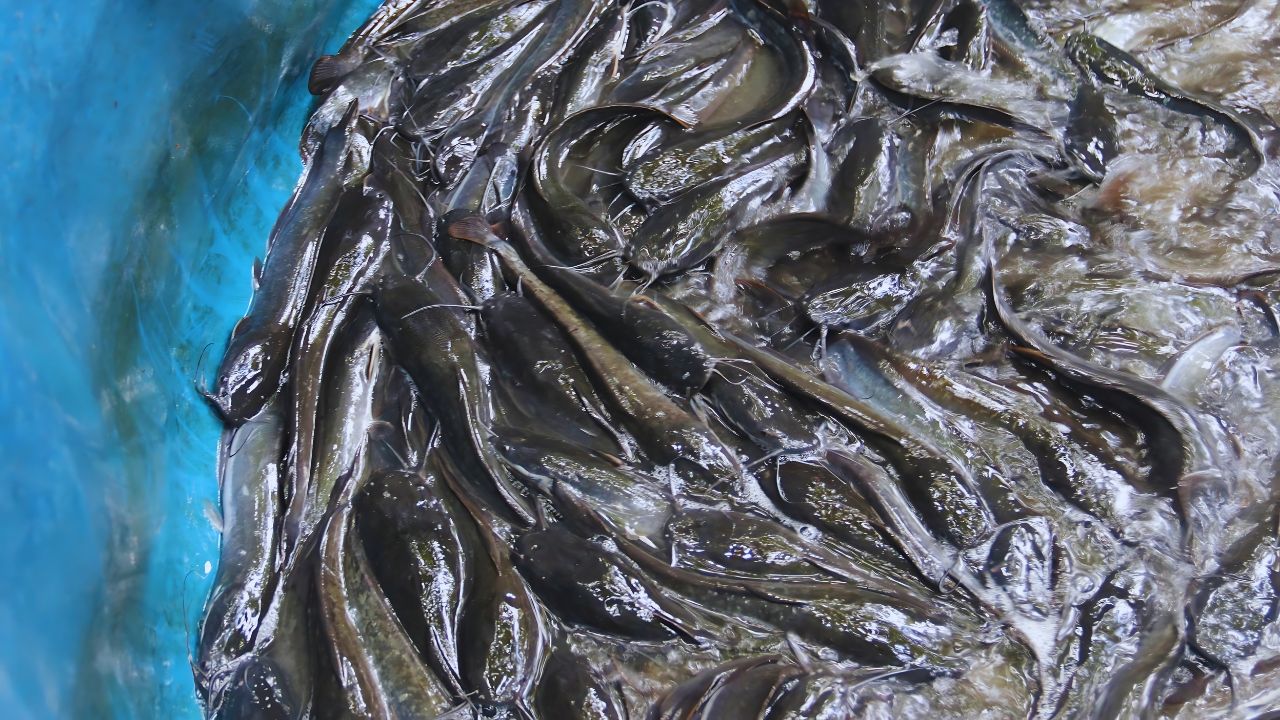
The ideal size for catfish fingerlings ready for rearing typically ranges from 5 to 7 cm. During the 2-3 month growth period, harvest-ready catfish generally weigh around 6-9 fish per kilogram. Choosing fingerlings with uniform size is important to avoid significant variations in growth and feeding. Size discrepancies among fingerlings can result in some catfish growing much faster than others, raising the risk of cannibalism within the group. Thus, selecting fingerlings with consistent size is essential to avoid this issue; if uneven growth does occur, sorting the fish can help mitigate this risk.
Uniformity in fingerling size is not only crucial for preventing cannibalism but also ensures consistent growth and optimal harvests. Catfish that grow at a uniform rate allow for more efficient feed usage and can reduce operational costs. Additionally, uniform size simplifies pond management, as there is no need to handle significant size differences among fish. Consequently, choosing fingerlings with consistent size is a strategic approach to achieving efficient and productive catfish farming.

The process of harvesting and grading catfish fry:: BPPP Ambon
Active movement
Vigorous movement is a strong indicator of a healthy catfish fingerling. When approached by other fish or by humans, a healthy catfish will respond by avoiding or attempting to escape, signaling a well-functioning nervous system and quick bodily reflexes. Conversely, if the fingerlings you purchase do not display lively movement, this could be a sign of underlying health issues. Inactive catfish are often more susceptible to stress and disease, especially when first introduced to a new pond environment. Observing the movement of fingerlings is thus a key indicator of their health, providing a preliminary assessment before purchase.
Maintaining the health of catfish is critical for the success of aquaculture. Healthy catfish exhibit optimal growth and significantly reduce the risk of sudden mortality. Moreover, stressed or sick catfish generally have weaker immune systems, making them more vulnerable to diseases and infections. For this reason, selecting fingerlings with energetic movement is a fundamental step toward ensuring robust health and the success of the entire catfish farming operation.
Absence of physical defects and wounds
Catfish fingerlings with any physical defects or wounds are highly susceptible to diseases that can compromise their health. Injuries or deformities create entry points for harmful pathogens and bacteria, which may lead to infections. In aquatic environments, pathogenic bacteria can easily invade the fish through wounds, and mucus produced around these injuries can foster bacterial growth. This not only endangers the injured fish but can also spread infections to others within the pond.
In addition to inviting disease, open wounds can trigger cannibalistic behavior among catfish. The mucus exuding from injuries often attracts other fish, potentially inciting them to attack the wounded fish. This can create an unstable and harmful environment in the pond, impacting even the healthiest fish and posing a risk to the overall farming operation. Therefore, thoroughly inspecting fingerlings for any physical abnormalities or wounds before introducing them to the pond is vital for minimizing health risks and ensuring a stable rearing environment.
Disease-free
Introducing diseased catfish fingerlings into the pond is a practice with potentially disastrous consequences for the entire farming operation. Although their growth might appear unaffected initially, sick fish can experience increased mortality over time due to weakened health. Raising diseased fingerlings often leads to the spread of illness throughout the pond, resulting in mass fatalities and significantly reduced productivity.
A disease-free pond environment is essential for maintaining a healthy and successful aquaculture system. Purchasing sick fingerlings not only risks financial losses due to widespread mortality but also creates an unhealthy pond environment that can impede the growth of future fish stocks. Once pathogens and bacteria are established in the pond, they are difficult to eliminate and may continue to affect new fish introductions. Ensuring that the fingerlings are disease-free from the outset is crucial in preventing these negative outcomes and supporting sustainable, productive catfish farming.
High appetite
A high appetite is a primary indicator of healthy catfish fingerlings. Healthy fingerlings actively seek food and quickly respond when fed, demonstrating vitality and well-functioning digestive systems. This high appetite is a reliable sign of overall health, indicating that the fingerlings are capable of consistent growth and development.

Feeding tubifex worms to catfish fry measuring 2-5 cm in nursery tanks: BPBAT Tatelu
A strong appetite also plays a significant role in supporting optimal growth. With high food intake, fingerlings can develop quickly, aiding the success of catfish farming operations. Additionally, a strong appetite makes feeding management more efficient, as fingerlings that eagerly consume feed reduce the chance of food waste. Selecting catfish fingerlings with a high appetite is thus a smart step toward establishing a healthy and productive farming environment.
Fingerlings free from stress
Signs of stress in catfish include behaviors such as floating at the surface and showing restlessness. High stress levels can weaken the immune system, making fish more vulnerable to diseases. Minimizing stressors within the pond environment is essential for supporting the health and success of catfish farming, as a stable environment promotes resilience and growth.
Conclusion: selecting quality fingerlings
For beginners in catfish farming, it is recommended to select fingerlings that are larger than 5 cm. Smaller fingerlings are often more susceptible to stress and disease, which can hinder their growth and health. Additionally, when transferring fingerlings from a hatchery to the grow-out pond, it’s crucial to provide careful handling and an environment that supports a smooth adjustment to prevent stress.
To enhance your chances of successful catfish farming, focus on factors such as the species, size, health of fingerlings, and optimal pond conditions. Always choose quality fingerlings that meet your farming needs to ensure an optimal harvest and sustain your aquaculture business over the long term.