
In the wake of the economic challenges brought about by the Covid-19 pandemic, many communities have turned to fish farming as an alternative means of sustaining their livelihoods. Among the various fish species cultivated, tilapia stands out as a favorite. Known for its delicious taste, tilapia is also easy to farm and offers high productivity. However, one of the primary challenges faced by urban communities, particularly in densely populated areas, is the limited availability of land for such activities. To address this issue, tarpaulin ponds have emerged as a practical solution for land-constrained environments.
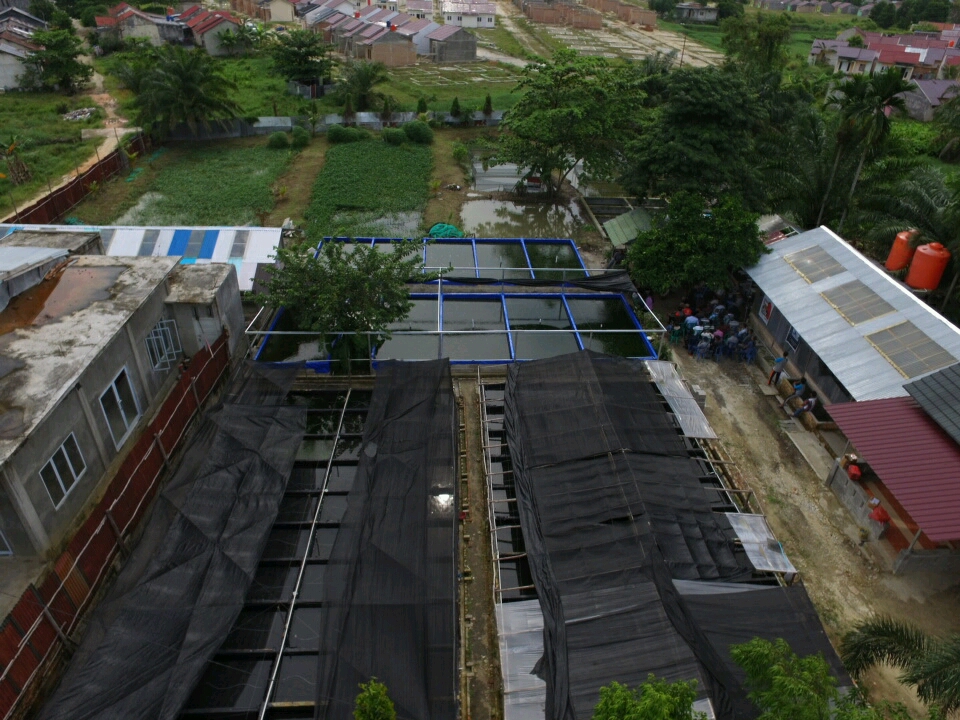
Tarpaulin ponds are especially suitable for urban areas with restricted land availability. Their adaptability to small spaces and the ability to function in less-than-ideal soil conditions make them an effective alternative. Furthermore, the low construction costs and ease of maintenance have made tarpaulin ponds an attractive option for those looking to start fish farming—especially with tilapia—as a supplemental source of income during these economically trying times. Thus, tarpaulin ponds offer urban communities an opportunity to engage in productive economic activities without being hindered by land scarcity.
The efficiency of tarpaulin ponds in fish farming, particularly in land-limited and densely populated urban areas, has been well-documented. One of their key advantages is their flexibility; these ponds can be installed in small spaces, making them an ideal choice for individuals or communities with limited land. Additionally, tarpaulin ponds can be constructed on porous soils, such as sandy ground that struggles to retain water, providing an effective solution to specific environmental challenges. The straightforward construction process and affordable costs further enhance their appeal, enabling individuals with limited capital to enter the fish farming industry.
Another notable benefit of tarpaulin ponds is their ability to support high-density fish farming. Despite limited space, these ponds allow farmers to optimize the available area without compromising the well-being of the fish. Faster growth rates and higher survival rates of tilapia in these ponds also offer significant economic advantages.
From a maintenance perspective, tarpaulin ponds simplify the care process, making them particularly practical for beginners in the fish farming industry. As a result, these ponds not only address the issue of land constraints but also provide an efficient and economical means for communities to engage in fish farming ventures.
This key points in tilapia farming using tarpaulin ponds:
1. Determining the location for tarpaulin ponds
a. Technical factors
To ensure successful tilapia farming in tarpaulin ponds, selecting an appropriate water source is critical. Options such as municipal water (PAM), well water, rainwater, or river water can be utilized depending on local availability. Additionally, the pond's location should consider the elevation above sea level to create an environment that meets tilapia's specific requirements. The pond's depth must also be tailored to the type of fish being farmed, and the ground surface should be level to ensure the pond's stability.
The construction of the pond should include a system for waste management and treatment to prevent environmental pollution and support the sustainability of the fish farming enterprise. By addressing these technical considerations, farmers can establish optimal conditions for the growth and well-being of tilapia in tarpaulin ponds.

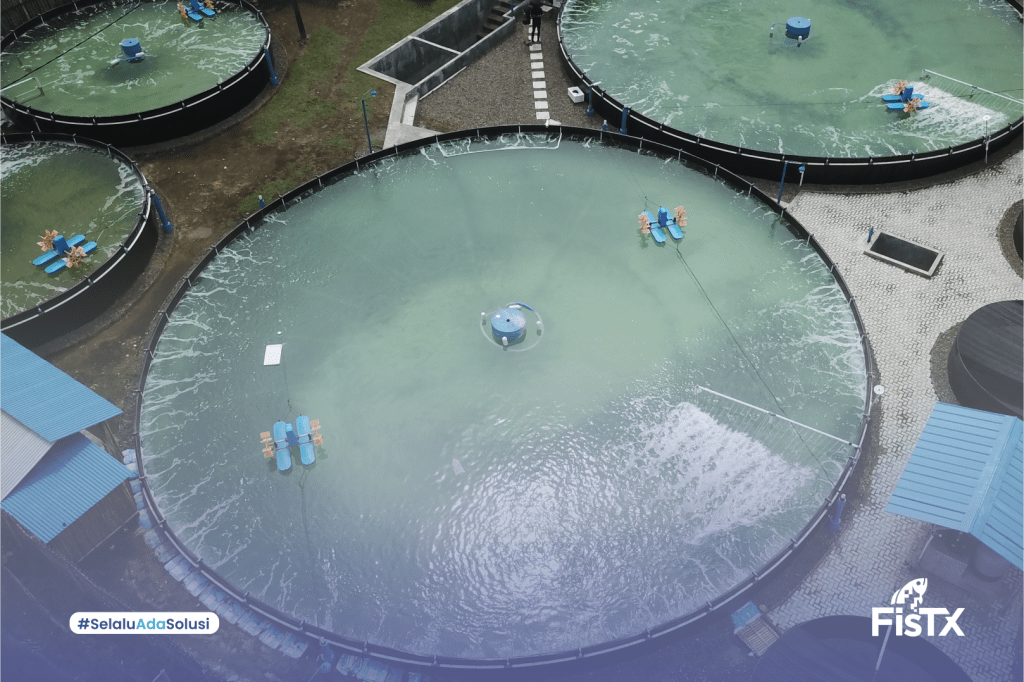
The construction of circular tarpaulin ponds involves a systematic approach to ensure durability and functionality
b. Socio-economic factors
It is essential to ensure that the chosen location complies with local zoning regulations to avoid legal conflicts and ensure smooth operations. Selecting a site within an area designated for aquaculture development is recommended, as this facilitates access to high-quality fingerlings, which are vital for maximizing productivity in tarpaulin ponds. Adequate infrastructure, such as reliable clean water supply and good road access, is also crucial for seamless operations and efficient distribution of harvests.
Moreover, the site must be secure from threats posed by wild animals and human interference to protect the fish and ensure uninterrupted farming activities. Lastly, the availability of a consistent and accessible market is pivotal for the success of the enterprise. A robust market presence enables farmers to sell their products efficiently, ensuring the sustainability and profitability of their tilapia farming ventures.
2. Constructing tarpaulin ponds for tilapia farming
a. Choosing the type of tarpaulin pond
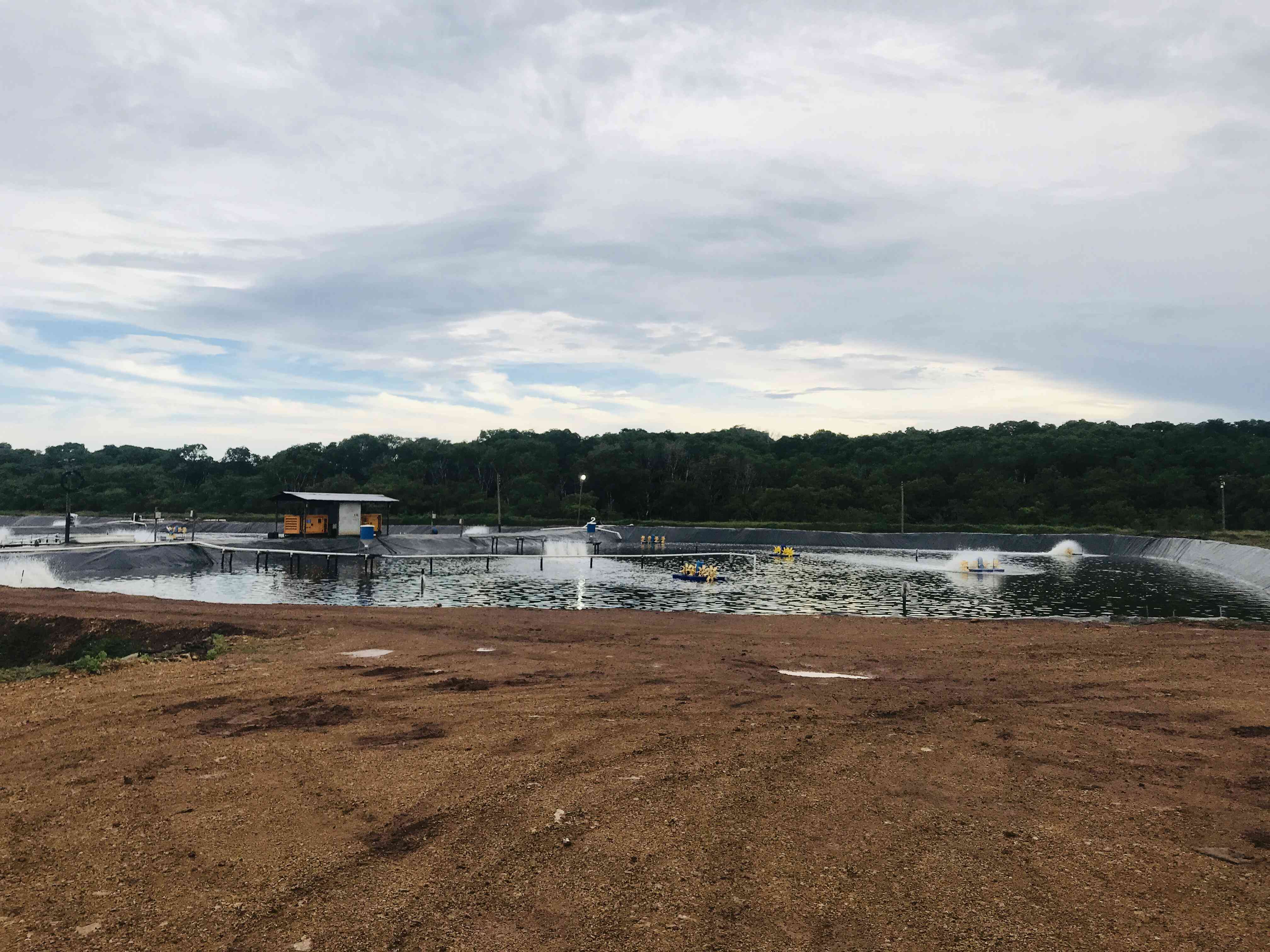
Tarpaulin ponds can be categorized into two types: above-ground and in-ground ponds. Above-ground ponds are typically constructed using materials such as bamboo, reinforced with metal or wooden frames. In contrast, in-ground ponds utilize a variety of structural materials, including soil walls, brick walls, or concrete. The choice of pond type depends on the farmer’s preferences, the conditions of the site, and the availability of suitable construction materials for tilapia farming.
b. Tools and materials
Building a tarpaulin pond for tilapia farming requires specific tools and materials. The primary component is plastic tarpaulin, preferably of the A5 or A6 grade, which has a lifespan of up to five years. Structural materials such as bamboo, iron, or wood are used depending on the type of pond being constructed. Boards or asbestos sheets are applied as pond walls to provide support for the tarpaulin.
PVC pipes are essential for water flow and drainage systems to regulate the water level in the pond. Additional materials, including nails, wires, and ropes, are used to secure and reinforce the structure, ensuring its stability. Basic tools are also necessary to facilitate the construction process and enable efficient maintenance of the pond. Together, these components create a durable and functional tarpaulin pond suitable for tilapia farming.
c. Pond construction process
Constructing a tarpaulin pond involves several key steps. First, if the land is sloped, it must be leveled to form a flat base for the pond. A 10 cm-thick layer of banana stems or rice husks is then laid down as a cushion. Bamboo or wooden poles are planted at each corner of the pond to serve as support posts.
A sturdy frame is built to support the overall structure, with pond walls made from boards or smooth-edged materials like asbestos sheets to avoid damaging the tarpaulin. The plastic tarpaulin, selected according to the pond’s dimensions, is then installed to form a watertight container.
It is crucial to incorporate a slight incline in one corner of the pond to create an efficient drainage system. This is achieved by making a small cut in the tarpaulin at the designated spot and installing a drainage pipe. This ensures effective water management, which is essential for maintaining optimal conditions within the tarpaulin pond.

A Success story in tilapia farming with tarpaulin ponds
3. Selecting tilapia fingerlings
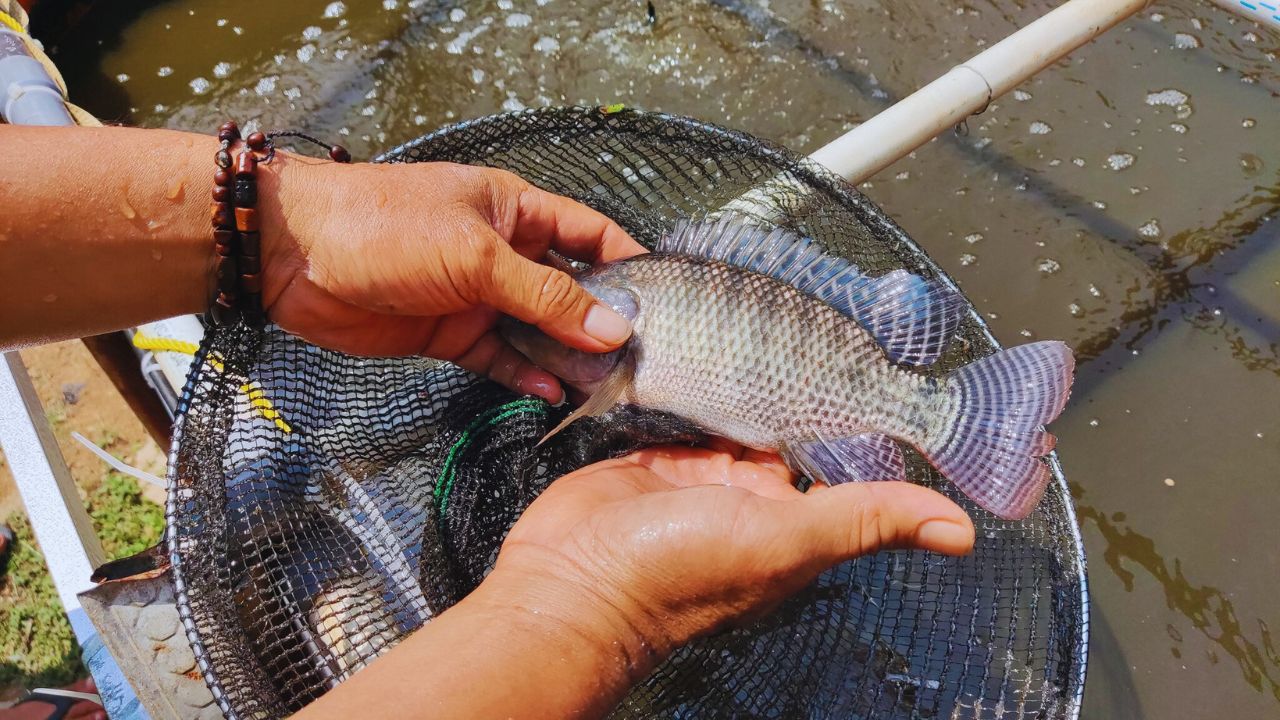
High-quality tilapia fingerlings are essential for the success of any farming operation. Healthy fingerlings exhibit specific characteristics, including active movement, responsiveness to feed, the absence of deformities or injuries, vibrant body coloration without signs of pallor, and strong resistance to disease.
To ensure the quality of fingerlings, it is advisable to source them from reputable hatcheries that meet established standards, such as the Indonesian National Standard (SNI). By selecting high-quality fingerlings from trusted suppliers, farmers can enhance the health and productivity of their stock, optimize yields, and reduce the risks associated with poor-quality fish.
4. Water quality management
Optimal water quality is critical for successful tilapia farming in tarpaulin ponds. Key parameters include maintaining a water temperature between 25–32°C, a pH level within the range of 6.5–8.5, and a dissolved oxygen concentration of at least 3 mg/L. Additionally, ammonia levels should not exceed 0.02 mg/L to prevent stress or disease in the fish. Water clarity should also be monitored, with a desired visibility range of 30–40 cm.
To maintain these conditions, it is recommended to replace 50% of the pond water every two weeks. Regular water management ensures a clean and stable environment, promoting the health and growth of tilapia while supporting sustainable production.
5. Stocking fingerlings
Once the pond construction and water preparation are complete, the next step is stocking fingerlings. This should be done in the early morning or late afternoon, when temperatures are cooler, to minimize stress on the fish. A critical aspect of this process is acclimatization, during which the fingerlings, still in their plastic bags, are floated in the pond water for approximately 15 minutes.
This step allows the temperature of the water in the bag to equalize with that of the pond, reducing the risk of thermal shock. Careful acclimatization helps minimize stress and improves the survival and growth rates of the fingerlings in their new environment.
6. Feeding
Feeding practices in tilapia farming should be tailored to the chosen farming system. Tilapia are typically fed two to three times daily, depending on the farming approach. It is important to select feed that meets the nutritional requirements of the fish, which vary depending on their growth stage.
Tilapia feed should be rich in essential nutrients, including proteins, fats, vitamins, and minerals. Providing high-quality feed in appropriate quantities ensures optimal growth and health, ultimately contributing to improved harvest yields and profitability.
7. Harvesting
Harvesting tilapia is a critical step that occurs once the fish have reached the desired market size. The process begins by partially draining the pond to facilitate the capture of the fish using suitable equipment. For transportation, the harvested fish are typically placed in plastic drums filled with cool water to minimize movement and stress.
This method helps preserve the fish’s quality during transport, ensuring they remain in optimal condition upon arrival at the market. By adhering to proper harvesting and handling practices, farmers can meet market standards and maintain the quality of their product, enhancing customer satisfaction, and profitability.

Shallowing ponds to expedite fish harvesting: Luhkan Kab. Magetan/Usman Ali
Tilapia farming in tarpaulin ponds offers an efficient and cost-effective solution, particularly in urban areas with limited land availability. These ponds have proven to be highly practical due to their adaptability to small spaces, compatibility with various water sources, ease of construction, and capacity for high-density fish farming. From selecting a suitable location to the harvesting stage, the farming process can be optimized by employing techniques that emphasize water quality, high-quality fingerlings, and appropriate feeding practices.
To ensure the success of tilapia farming, both technical and socio-economic factors must be carefully considered. Key elements such as the choice of location, water quality management, the use of healthy fingerlings, and proper feeding strategies play a crucial role. Additionally, knowledge of tarpaulin pond construction and effective harvest management contributes significantly to the overall success of the operation.
Empowering communities with the skills and knowledge to manage these aspects can drive positive transformation in the aquaculture sector, especially in the face of current economic and environmental challenges. By leveraging appropriate technologies, sustainable farming practices, and knowledge-based approaches, tilapia farming in tarpaulin ponds presents a promising alternative for supporting local economic resilience and meeting the growing demand for food security.