
Catfish farming has long been an attractive business option for newcomers to aquaculture. Catfish are not only known for their pleasant taste but also for offering substantial economic benefits. In recent years, interest in catfish farming has increased significantly in line with the rising consumption of freshwater fish in communities.
The primary advantages of catfish farming extend beyond its economic value, lying also in the biological characteristics and ease of cultivation. Catfish are known to grow relatively quickly compared to other types of freshwater fish, and their breeding process is straightforward, making it accessible even for beginners. This combination of rapid growth and manageable care makes catfish farming a compelling choice for many aspiring aquaculture entrepreneurs.
However, like any business, catfish farming has its own risks and challenges, particularly for beginners. Common mistakes in catfish farming can lead to business failures. Therefore, it is essential for prospective catfish farmers to understand and avoid frequent mistakes in the field. Here are some of the common pitfalls beginners encounter:
1. Lured by promises of high profits
Many newcomers to catfish farming are often enticed by the idea that this business promises high profits with relatively little effort. They are drawn to the prospect of substantial income without thoroughly considering the actual challenges they may face. While catfish do grow quickly and are relatively easy to maintain, there are still numerous challenges that require determination and adequate knowledge to overcome.
For some beginners, catfish farming is seen as an easy path to financial success. They view it as an opportunity to work independently, free from reliance on supervisors or others. This vision also drives them to pursue the title of entrepreneur, often considered a symbol of success and financial freedom. However, focusing solely on the allure of high profits can cause beginners to become complacent, overlooking the importance of thorough preparation and a deep understanding of the industry.
It is crucial to remember that success in catfish farming does not come easily. Behind the potential for high profits, there are significant challenges to tackle. The process of catfish cultivation requires careful planning, an in-depth understanding of the fish’s needs, and skill in managing an efficient farming system. Additionally, external factors such as climate changes, fish diseases, and fluctuations in feed prices need to be considered seriously.
Success in catfish farming is not a matter of mere luck but the result of hard work, persistence, and a profound knowledge of the industry. Beginners should prepare themselves well before starting in this business by learning from others' experiences, participating in training programs, and continuously enhancing their skills and knowledge in this field.

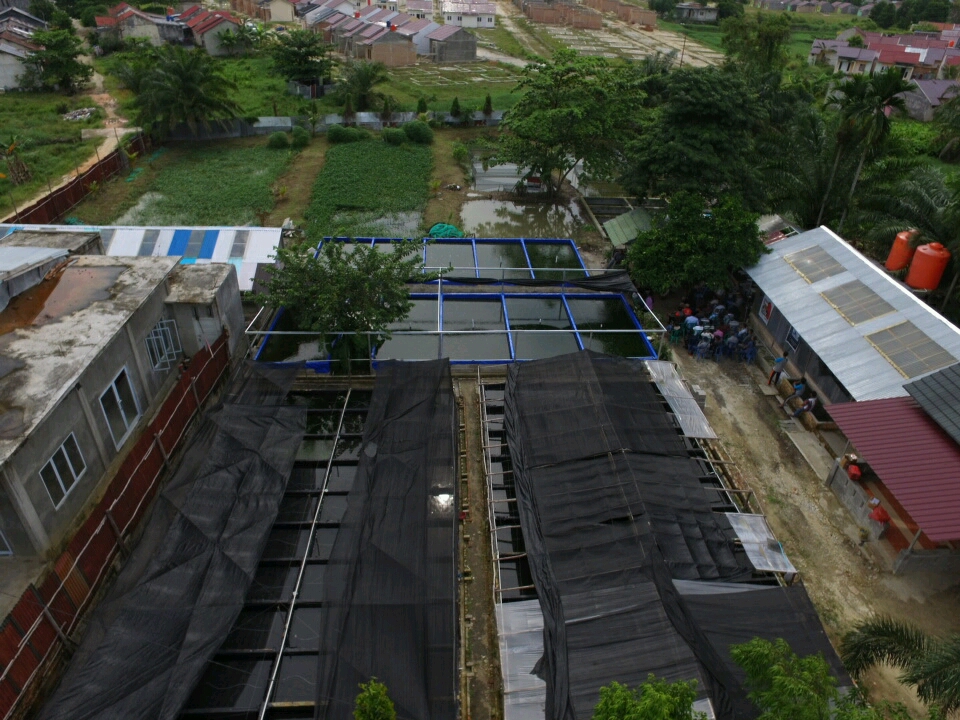
Offline catfish farming training hosted by Banglele Indonesia
2. Lack of experience in catfish farming
A significant challenge for many beginners in catfish farming is their lack of prior experience. Many individuals venturing into this business may have never raised catfish—or any fish—before. While they may have strong motivation and sufficient capital to start, this lack of practical experience often becomes a barrier when confronting the various challenges that arise during the farming process.
Raising catfish is not as simple as some might assume. Although catfish are known for their resilience and relatively easy maintenance, a deep understanding of their needs and effective farm management practices is still essential. This includes knowledge of optimal water parameters, appropriate feed selection, disease management, and effective risk mitigation strategies.
Inexperienced farmers may struggle to identify early signs of fish diseases and respond swiftly and appropriately. Fish diseases are one of the primary threats in catfish farming, potentially leading to significant losses if not properly managed. Without adequate experience, beginners may find it difficult to accurately diagnose fish illnesses and implement effective treatments.
Moreover, a lack of experience can impact the ability to manage other aspects of the business, such as financial planning, product marketing, and administrative tasks. Without the necessary skills, beginners may face difficulties in running their operations efficiently, thereby reducing their ability to maximize profits.
3. Easily swayed by promotional offers
Another common mistake among beginner catfish farmers is being too easily enticed by promotional offers for supplementary products. When sellers offer items like prebiotics, probiotics, nutritional supplements, or medications, beginners are often quick to purchase them without thorough consideration. They may be drawn in by promises of enhanced fish growth, improved health, or higher yields, without fully evaluating the consequences of their purchases.
It is crucial to remember that every additional product adds to the production costs of the catfish farming business. These extra costs can affect overall profitability and reduce potential earnings. Therefore, before purchasing any product—whether from a trusted friend or an unfamiliar supplier—it is important to thoroughly evaluate the product's integrity and consider whether it is genuinely necessary for the farming process.
Beginners should also conduct research and seek advice from experts or more experienced catfish farmers before making purchasing decisions. This helps ensure that they receive objective information about the product’s benefits, potential side effects, and its suitability for their specific farming needs.
Furthermore, beginners need to develop the ability to distinguish between beneficial products and those that are ineffective or unnecessary. They must learn to avoid being swayed by overly optimistic claims and instead focus on choosing products that provide tangible benefits for their business.

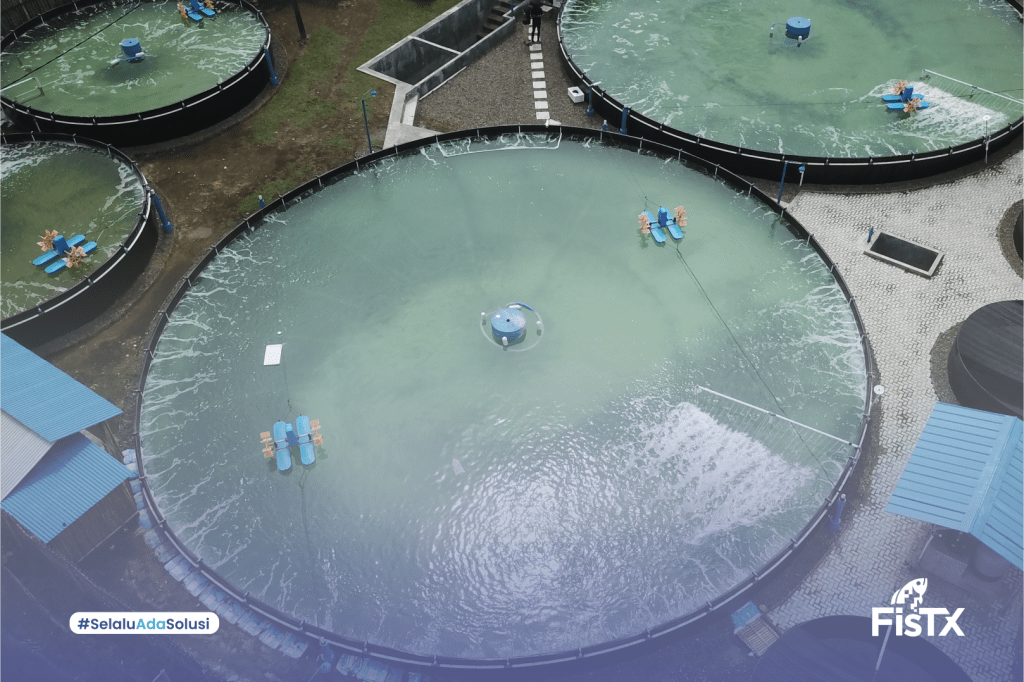
Fish and shrimp probiotics from FistX, a Banglele Indonesia partner
4. Choosing the wrong catfish fingerlings
Selecting high-quality catfish fingerlings is a critical step in starting a successful catfish farming business. One of the common mistakes beginners make is paying insufficient attention to the quality and standards of the fingerlings they purchase. Several factors must be considered when choosing the right fingerlings, including their health, size, genetic makeup, and resistance to disease. Read more here for tips on selecting quality catfish fingerlings.
Not all catfish fingerlings are created equal. Some may exhibit slower growth rates, while others could be more susceptible to diseases. Poor-quality fingerlings can negatively impact the entire farming process, leading to low survival rates, sluggish growth, or even a complete failure to achieve the desired harvest.
Genetic differences among fingerlings also play a significant role in farming outcomes. Certain strains or varieties of catfish may grow faster or have greater potential to reach the desired weight in a shorter time frame.
Another challenge in selecting fingerlings is ensuring they come from a reputable hatchery and are free from disease or contamination. Fingerlings infected with diseases or carrying pathogens can introduce serious problems into the farming environment.
Addressing common mistakes in catfish farming
The common errors made by beginners in catfish farming often stem from misconceptions and inadequate preparation before starting the business. As a critical first step, aspiring catfish farmers must recognize that success in this field requires thorough planning and cannot be achieved through shortcuts.
One of the most crucial measures is learning and adhering to proper farming procedures that align with industry standards. By following established best practices, beginners can minimize risks that could otherwise negatively affect their operations. For instance, understanding water quality management, feed strategies, disease prevention, and proper breeding techniques are all essential. With a strong foundation in these areas, beginners can significantly reduce the likelihood of encountering issues that could hinder the growth and profitability of their catfish farming business.

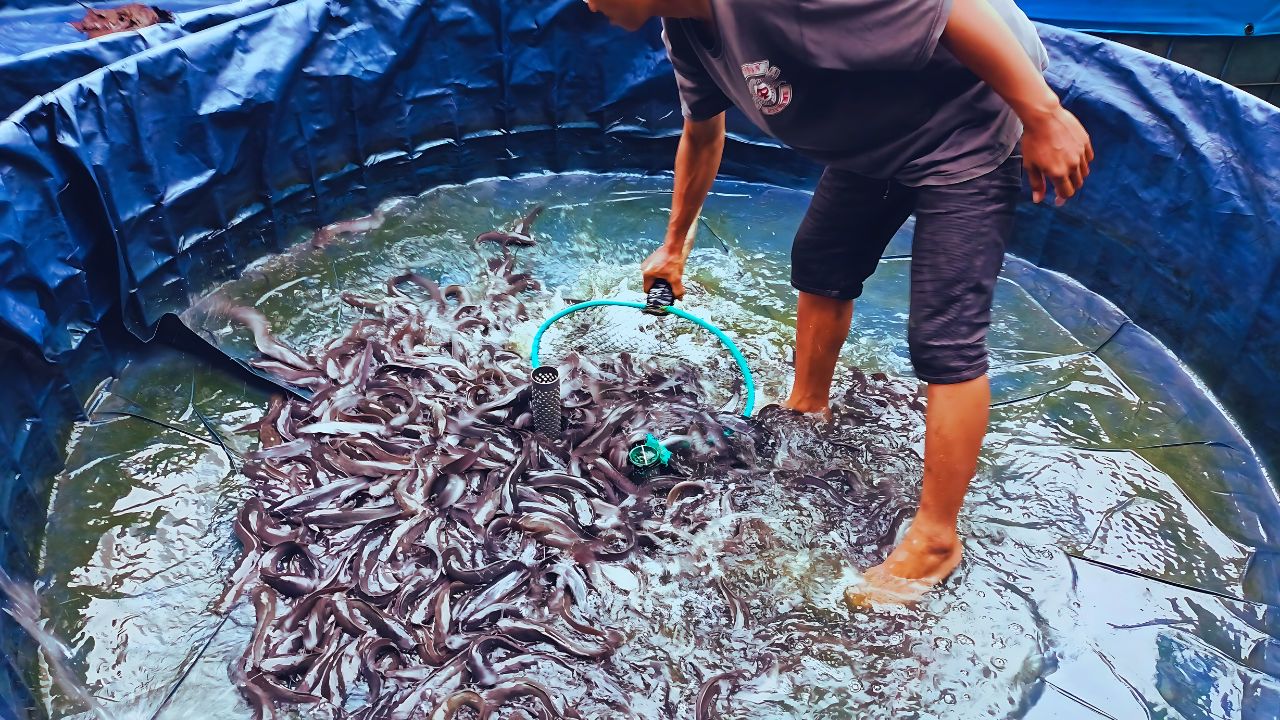
Examples of catfish diseases in Primordia Mina fish farming group: BRPPUPP Palembang/Della Kartika Sari
It is equally important to acknowledge that learning is an ongoing process. Even after starting their operations, beginners should continue to expand their knowledge and skills. The aquaculture industry is dynamic, with continuous advancements in technology, research, and best practices.
To stay updated, beginners can attend training sessions and seminars, read the latest literature, or join catfish farming communities to exchange information and experiences. Additionally, finding an experienced mentor in catfish farming can provide valuable guidance and practical advice, helping beginners navigate challenges and achieve long-term success.