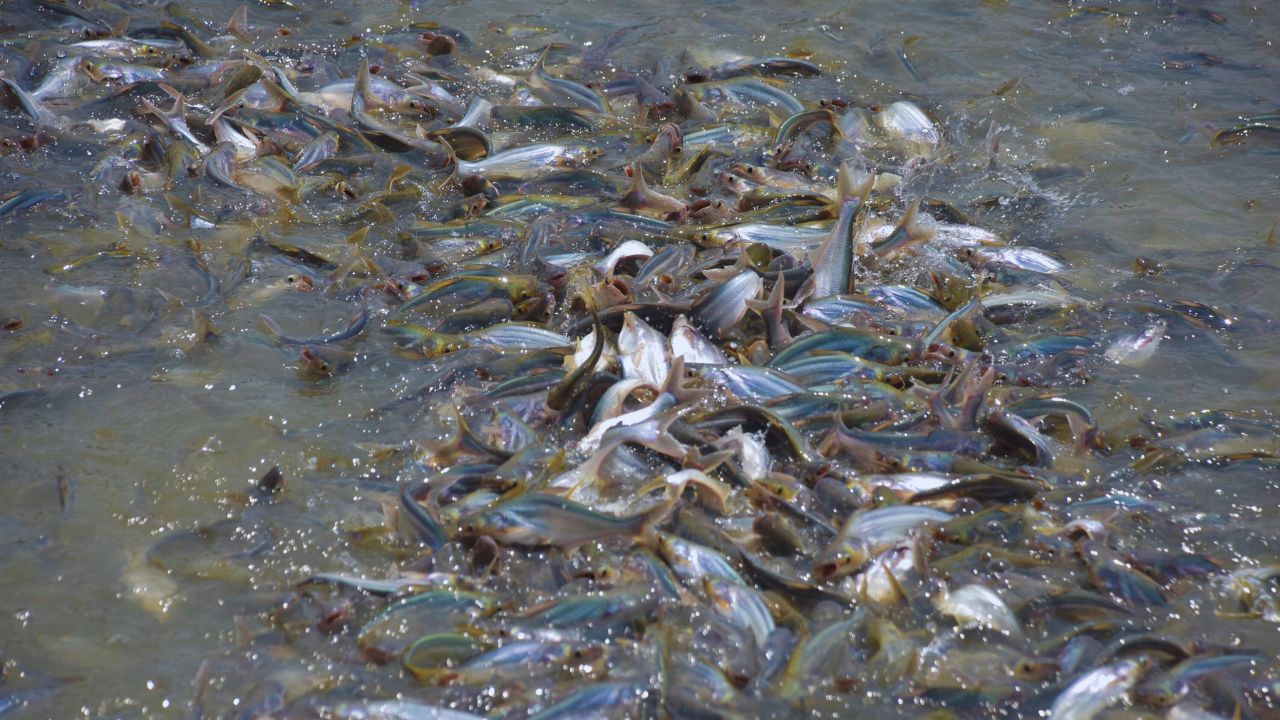

Indonesia, an archipelago renowned for its rich natural resources, is home to stunning landscapes and a diverse array of aquatic species. Among its aquatic treasures is the pangasius, commonly known as patin in Indonesia. This native fish has successfully been domesticated, gaining popularity both as a cultivated species and a culinary delight. Over time, its appeal has grown, attracting fish farmers and food enthusiasts alike, thanks to its delectable taste and versatile meat.
The unique flavor and appeal of pangasius
Pangasius is celebrated for its mild flavor and tender, high-quality flesh, making it ideal for a wide range of dishes. From simple home-cooked meals to gourmet cuisine, this fish has earned a spot as a dining table favorite.
Physically, pangasius is striking. It features a sleek, elongated body with a silvery-white hue and a bluish tinge along its back. Notably, its smooth, scaleless skin and relatively small head with a downward-facing mouth reflect its adaptation to life near the bottom of water bodies. Pangasius can grow impressively large, reaching up to 1.2 meters in length.
Several distinctive traits set pangasius apart from other fish species. It has two pairs of short barbels at the corners of its mouth, acting as sensory organs to help it navigate and forage in its environment. The dorsal fin is robust, with sharp, serrated edges at the rear, while the softer portion contains 6-7 rays, allowing for agile movement in water.
Nocturnal behavior and environmental adaptation
Like many catfish species, pangasius is nocturnal. It becomes more active at night, foraging and moving along the riverbed. This nocturnal lifestyle plays a vital role in maintaining the aquatic ecosystem, adding a unique dynamic to underwater life.
Pangasius thrives in specific aquatic conditions, favoring areas with limited light during the day. This explains its preference for penumbral zones, where light penetration is minimal. By occupying these low-light environments, pangasius accesses resources distinct from those available to diurnal species.
One evolutionary advantage of its nocturnal behavior is predator avoidance. Nighttime activity reduces the likelihood of encounters with predators and minimizes competition with other species that dominate daylight hours. This allows pangasius to efficiently exploit food resources and secure shelter.
Structural adaptations further support its nocturnal habits. The elongated body and downward-facing mouth are ideal for bottom-feeding, enabling it to forage discreetly in nutrient-rich areas. Additionally, the fish’s sensory barbels enhance its ability to detect food and navigate in low-light conditions, providing crucial survival advantages.

Pangasius is characterized by its elongated body and downward-facing mouth, adaptations that enable it to thrive in benthic environments: BPPP Banyuwangi/Hendra Juliar Salam
The nocturnal lifestyle of pangasius is a product of evolutionary adaptations that optimize its resource use, improve predator evasion, and enhance survival in dimly lit aquatic environments. These adaptations, including its sensory mechanisms and structural features, make pangasius an exemplary model of environmental resilience and ecological harmony.
The success of pangasius domestication
Behind its delicious taste and distinctive physical characteristics, pangasius, a native Indonesian fish, has undergone a remarkable journey of domestication. Various species of pangasius are found across Indonesia’s waters, and several have been successfully developed for aquaculture. This achievement is the result of persistent efforts by researchers and fish farmers to optimize environmental conditions and feeding strategies.
The domestication of pangasius highlights the scientific ability to transform the behavior and traits of wild organisms through careful intervention. Researchers and academics have played a crucial role in guiding this process, which involves a deep understanding of the fish’s biology, ecology, and genetics.
Initially, comprehensive studies were conducted on the natural behavior and biology of pangasius in its native habitat. This included observing its reproductive patterns, feeding habits, and responses to environmental stimuli. These insights laid the foundation for designing more effective domestication strategies.
The first step in domestication was the selective breeding of broodstock with desirable traits such as rapid growth, disease resistance, and stable reproduction. By carefully selecting and breeding these individuals, researchers could enhance these traits within the cultivated population.
Selective breeding has been a cornerstone of pangasius domestication. Researchers conducted crossbreeding among individuals exhibiting superior traits, repeating the process over several generations to consolidate genetic improvements. Throughout this process, genetic data were meticulously recorded and monitored to assess progress.
Creating optimal cultivation environments was another critical aspect of pangasius domestication. This involved carefully managing water quality, temperature, and nutrition to ensure healthy growth and reproduction. Researchers also had to address challenges such as disease outbreaks and stress, which could impact fish health and productivity.
Developing suitable feed was another significant focus. Understanding the nutritional needs of pangasius was vital to achieving optimal growth. Efforts have been made to produce sustainable and efficient feeds that enhance the productivity of aquaculture operations.
Despite the success of domestication, pangasius farming faces ongoing challenges. Sustainable management practices are essential to maintaining healthy fish populations and preserving aquatic ecosystems. Raising awareness about the importance of sustainable practices is crucial to ensuring long-term benefits.
Strategic measures, such as adopting sustainable farming principles and leveraging technological innovations, are key to maintaining the viability of pangasius aquaculture. These efforts aim to balance economic gains with environmental stewardship, ensuring that pangasius farming continues to thrive without compromising ecosystem health.

The Pangasius Perkasa variety has been recognized as one of Indonesia's most promising innovations: BPPSDM
Research has shown that successfully domesticated pangasius has become a valuable asset to Indonesia's economy. Its economic potential extends beyond benefiting fish farmers, contributing significantly to the growth of the fisheries sector and the national economy. As demand for pangasius grows, it plays a pivotal role in supporting livelihoods and driving economic development in Indonesia’s aquaculture industry.
The economic potential of pangasius
The successful domestication of pangasius has provided significant economic benefits for fish farmers, contributed to export growth, supported the processing industry, and helped meet food demand. The rising global demand for pangasius meat, both domestically and internationally, has opened lucrative export opportunities. On a global scale, pangasius reflects Indonesia’s commitment to sustainably utilizing natural resources while positively contributing to the economy and societal well-being.
Indonesia's pangasius export data reveals a substantial increase in volume in recent years, driven by the growing global appetite for this fish. For instance, China—the world's largest pangasius importer—currently imports around 34,400 tons annually, surpassing Thailand, which imports approximately 19,200 tons per year. This demand surge has enabled Indonesia to expand its pangasius exports to international markets across Asia, Europe, and the Americas, showcasing the competitiveness of its products on the global stage.
Indonesia has the potential to rival Vietnam, currently the world's leading pangasius exporter. This is particularly promising in light of the U.S. ban on Vietnamese pangasius imports since 2017, creating a significant market gap. The United States, where demand for pangasius continues to rise by 12.3% annually, presents a golden opportunity for Indonesia to secure a stronger foothold in this lucrative market.

Pangasius fillets, often marketed as “dori,” are a standout product in Indonesia’s fisheries export portfolio: KKP
Conclusion
Pangasius has firmly established itself as a high-potential aquaculture species for Indonesia. Its domestication is a significant achievement, offering economic opportunities while highlighting the importance of conservation, sustainable management, and biodiversity preservation.
However, ensuring the long-term sustainability of pangasius farming requires collective efforts to balance economic benefits with environmental stewardship. By adopting sustainable aquaculture practices, embracing technological innovations, and fostering public awareness, Indonesia can secure the pangasius industry as a lasting source of prosperity, benefiting future generations.