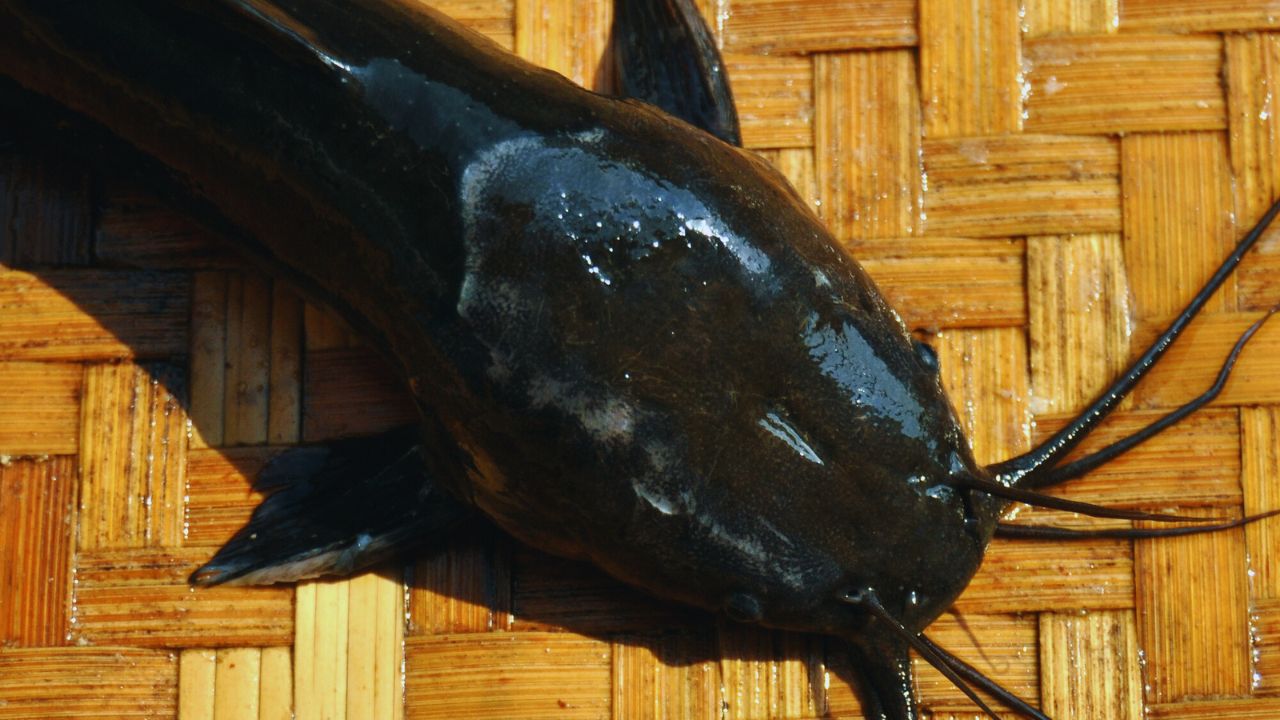

Catfish, scientifically classified under the order Siluriformes, are a group of freshwater fish distinguished by their unique whisker-like barbels near the mouth, resembling a cat's whiskers. These barbels serve not only as a defining physical feature but also as sensory tools, enabling catfish to locate food in murky aquatic environments. Known by various names across different languages, such as "catfish" in English and "bagre" in Spanish, these fish are widely recognized and appreciated around the world.
The diversity of catfish species is remarkable, encompassing a wide range of sizes, habitats, and behaviors. Among the largest are species from Asia and South America, such as the Mekong giant catfish (Pangasianodon gigas), which can weigh hundreds of kilograms. Another notable example is the wels catfish (Silurus glanis), the largest freshwater fish in Europe, found in the lakes and rivers of the Eurasian region. Similarly, the piraíba (Brachyplatystoma filamentosum) from the Amazon is a giant catfish known as a top predator in its ecosystem.
On the other end of the spectrum, there are small and unique catfish species like the candiru (Vandellia cirrhosa), also native to the Amazon. Unlike most catfish, the candiru is parasitic, using the bodies of other fish or mammals as hosts. Despite its small size, its aggressive behavior has made it one of the most discussed catfish species in scientific circles.
Catfish are distinct in their physical characteristics compared to many other fish species. One of their most notable features is the absence of scales. Instead, some catfish species are protected by bony plates, while others have bare, smooth skin. While many catfish prominently display barbels around their mouths, some species lack this feature or have less conspicuous barbels. What truly defines the Siluriformes order, however, are the shape of their skulls and the structure of their swim bladders. These adaptations not only assist with respiration but also enable them to survive in low-oxygen aquatic environments.
The origins and evolution of catfish
Scientists believe that catfish trace their origins back to the ancient supercontinent Gondwana, with South America serving as their primary center of early distribution. Fossil evidence supports this theory, with ancient catfish remains dating back to the Late Cretaceous period, approximately 70 to 100 million years ago. During this time, South America and Africa were still connected, facilitating the evolution and spread of early fish species, including ancestral catfish, across the vast waterways of the supercontinent. These conditions laid the foundation for the evolution of diverse catfish species that we see in different regions today.
The oldest identified catfish fossils are from the Campanian to Maastrichtian stages of the Late Cretaceous. Notable species, such as those from the families Adrianichthyidae and Vorhisia vulpes, provide valuable insights into the early diversity and evolutionary pathways of this group. These fossil discoveries not only shed light on the origins of catfish but also offer a glimpse into the aquatic environments and climatic conditions of the Cretaceous period. However, the authenticity of ancient catfish fossils found in West Africa remains contested, leaving South America as the most well-supported region for the earliest evidence of catfish evolution.

Vorhisia vulpes, a fossil catfish species, was discovered in the Maastrichtian Fox Hills Formation in North Dakota, United States: Paleontological Research Institution/Hoganson et al.
One particularly intriguing discovery is the fossil species Afrocascudo, unearthed in Morocco and dating back to the Cenomanian stage of the Late Cretaceous. Afrocascudo is believed to be an ancestor of the armored catfish group, known as Loricarioids, which are now exclusively found in South America. This finding adds complexity to the evolutionary history of catfish, especially concerning the separation of Africa and South America as Gondwana fragmented. It is likely that the ancestors of Loricarioids inhabited both continents before the landmasses drifted apart. Such discoveries illustrate how natural selection and adaptation enabled catfish to survive and diversify into the vast array of species that exist today.
Habitat distribution of catfish
Catfish exhibit a remarkably wide distribution, inhabiting nearly all continents except Antarctica. The tropical regions of South America, Asia, and Africa are especially rich in catfish diversity, hosting a vast array of species. More than half of the known catfish species are found in the Americas, particularly in South and Central America. This widespread distribution highlights the extraordinary adaptability of catfish to diverse environmental conditions, allowing them to thrive in a variety of habitats, including rivers, lakes, and swamps.
A defining characteristic of catfish is their ability to inhabit a wide range of aquatic environments, from inland freshwater systems to coastal waters. Most catfish species prefer shallow, flowing waters such as rivers, streams, and canals. These habitats offer abundant food sources, sufficient oxygen levels, and suitable breeding grounds. However, some families of catfish have evolved unique adaptations that enable them to survive in extreme environments, including underground and cave systems.
One fascinating example is Phreatobius cisternarum, a species of subterranean catfish found in groundwater aquifers. This species thrives in isolated environments beneath the Earth's surface, demonstrating the ability of catfish to adapt to unconventional and challenging habitats. Additionally, certain catfish families, such as Ariidae, Plotosidae, and Aspredinidae, have adapted to saline environments, showcasing their exceptional ecological flexibility in tolerating varying salinity levels.

Live specimens of Phreatobius cisternarum were collected from Benfica, Pará State, Brazil: ResearchGate/Janice Muriel-Cunha
Catfish farming around the world
Catfish farming has become a significant industry in various parts of the world, particularly in the United States, Asia, and Africa. In the United States, catfish farming is a cornerstone of aquaculture, especially in southern states like Mississippi, Alabama, and Arkansas. The primary species cultivated is the channel catfish (Ictalurus punctatus), which contributed over $437 million to the U.S. aquaculture industry in 2023. Notably, Belzoni, Mississippi, known as the "Catfish Capital of the World," serves as a central hub, producing about 60% of the country's catfish within a 100-kilometer radius.
U.S. catfish farms typically use pond or recirculating aquaculture systems (RAS), which offer several environmental advantages. These systems are carefully managed to minimize the ecological impact of farming activities. By controlling waste and disease, these operations prevent contamination and disease transmission to wild fish populations, preserving natural aquatic ecosystems. Such practices ensure sustainable production while safeguarding biodiversity.

Harvested catfish from aquaculture farms in the United States being loaded for distribution
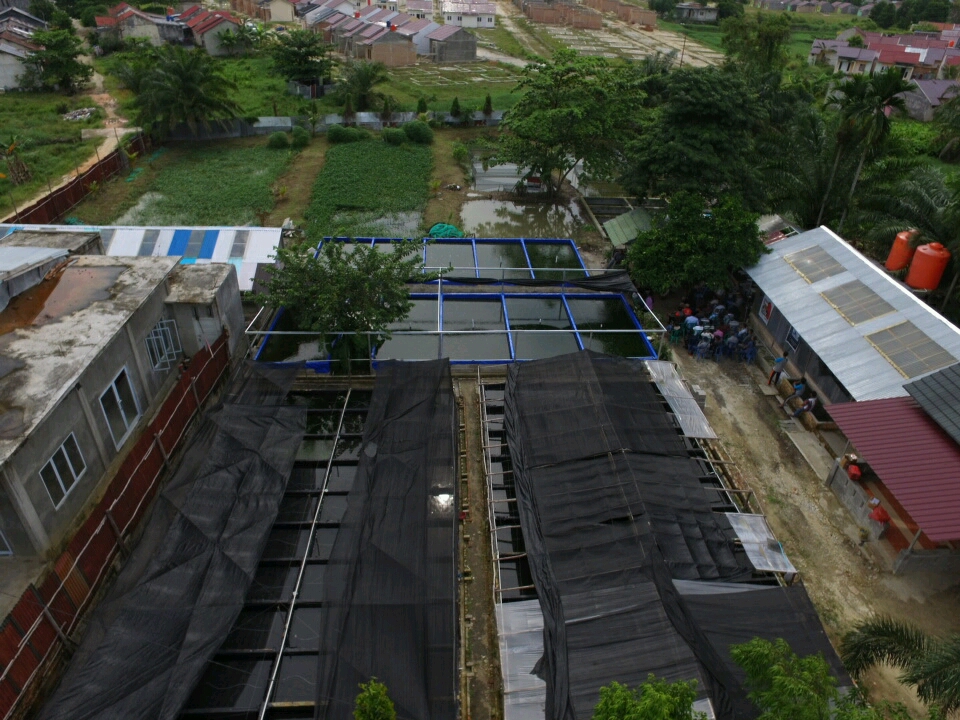
In Asia, catfish farming is a vital part of the aquaculture industry, particularly in countries like Indonesia, Thailand, and Vietnam. Southeast Asia is renowned for its intensive farming methods, where catfish are raised in ponds or tanks designed to maximize output within short cycles. In Indonesia, catfish farming is especially popular among small- and medium-scale farmers due to its low production costs and the species’ rapid growth under diverse water conditions. A common technique used in the region is the biofloc system, which efficiently manages water quality, boosts productivity, and reduces feed expenses by recycling nutrients within the farming system.
Meanwhile, in Africa, catfish farming is gaining prominence as a key sector in aquaculture, especially in countries like Nigeria, Ghana, and Kenya. African catfish farming benefits from the species' resilience to suboptimal conditions, including poor water quality and limited feed resources. Many farmers opt for low-cost methods such as earthen ponds or tarpaulin-lined tanks, which require minimal investment and are easy to manage. In Nigeria, catfish serves as a crucial source of animal protein for a growing population, with demand supported by both domestic consumption and regional export opportunities.
The African catfish industry also plays a vital role in addressing challenges like overfishing and unemployment. By reducing reliance on declining marine fish stocks, catfish farming promotes sustainable food security. Furthermore, the industry creates jobs across the aquaculture value chain, from farming and processing to distribution, contributing to economic development in rural and urban areas alike.