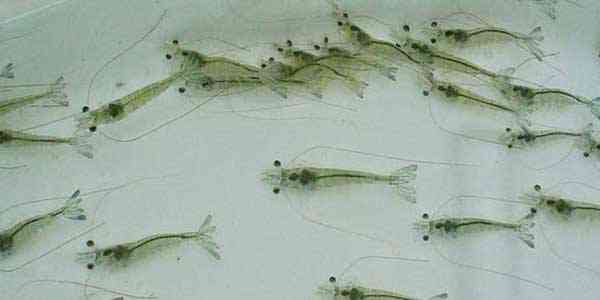

Harvesting of vannamei shrimp larvae is carried out depending on consumer demand, usually at the post larvae shrimp-8 (PLs-8) stage the harvesting process has started. Harvest activities include harvest preparation, harvesting, packaging and marketing
1. Harvest preparation
Harvest preparation starts from decreasing salinity, 3-5 days before harvesting, decreasing water salinity according to buyer's request. The decrease in salinity was carried out gradually so that the larvae did not experience excessive stress. Usually the decrease in salinity is only around 2-3 ppm per day. Other preparations carried out were the preparation of double plastic bags, rubber, oxygen cylinders used for packaging the PLs, and active carbon.
2. Harvesting process
Harvesting is carried out after reaching PLs-8 to PLs-10. The tools used for harvesting include small slides, scouple nets, PLs tanks and baskets. The number of tools must be adjusted to the number of PLs to be harvested. Harvesting is usually done at night or early in the morning according to the proximity of the intended location or requests from buyers.
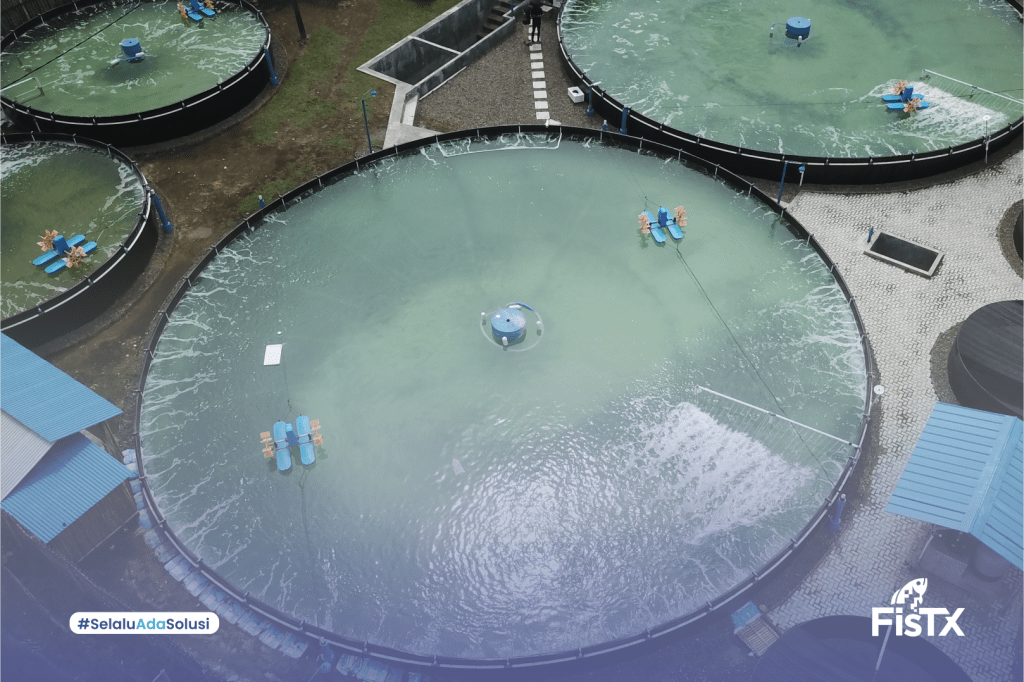
Harvesting activities start from decreasing the volume of water by opening the outlet channel until the water in the tub runs out. The output outlet in the harvest tank is equipped with a filter. The purpose of the filter installation is to prevent the larvae from drifting away with the current in the water reduction process. The removal of larvae from the sieve is carried out carefully using a small slide of fine material. Larval collection must be done carefully so as not to cause physical defects in the larvae. The filtered larvae were placed in a larval storage tank. The tank used for harvesting larvae is a round tub with tank profile material.
Shrimp larvae that have entered the reservoir are counted using a scouple net. One full scoulpe net contains about 2,000-2,500 larvae. This dosing aims to count the number of larvae in one plastic. Larvae that have been taken with a scouple net, are placed in a bucket to be counted again. Counting using rubber bands, for 100 larvae represented one rubber band.
3. Packaging and transport
The packaging process is carried out quickly and carefully, because the condition of the larvae that are still unstable are very susceptible to death. Packaging is carried out by trained personnel. Packaging activities include filling water in plastic bags, then giving a little carbon, then filling with PLs and giving oxygen. The ratio between the volume of water and oxygen is 1 : 1. The plastic bag is tied with a rubber band firmly but try to open it easily. The plastic bag that has been tied is put in a box and then given ice cubes on the top of the plastic in the box, in one box containing 10 bags. The box is closed and then sealed using insulation.
PLs transportation uses trucks and pick-ups, because the transport capacity is larger. During transportation the bottom and top of the pick up are covered with tarpaulin. Tarpaulin serves to avoid direct sunlight, and maintain the quality of the PLs.