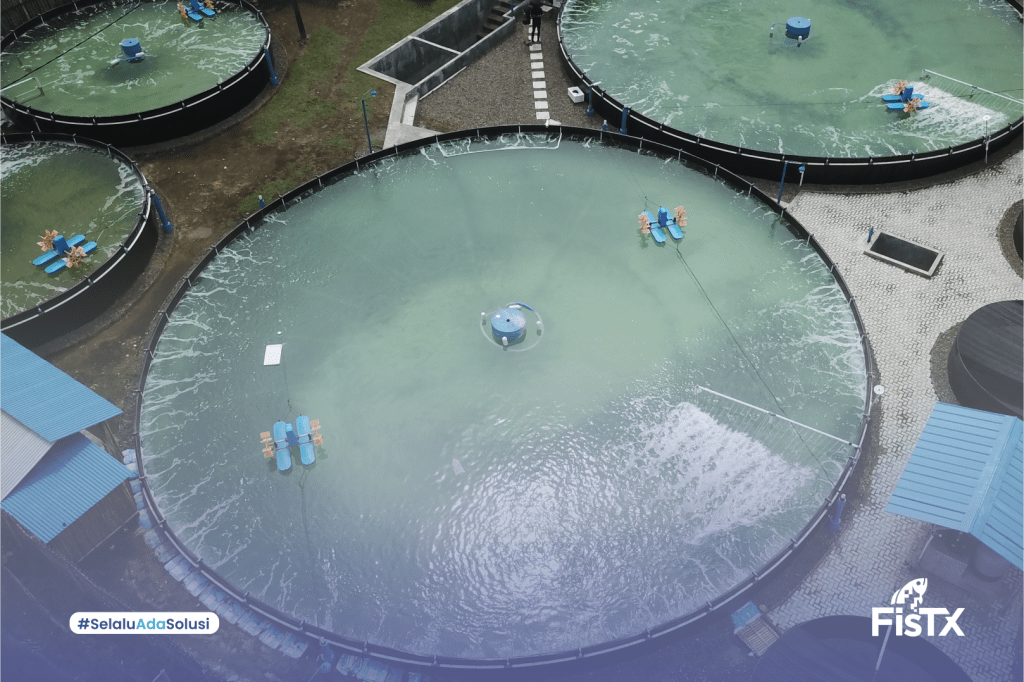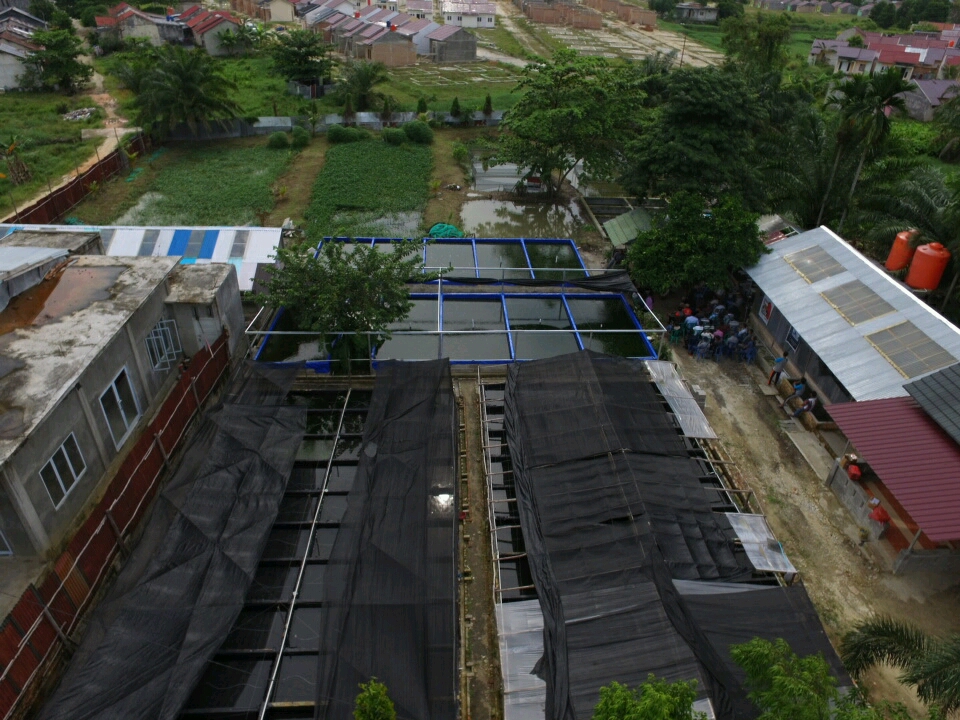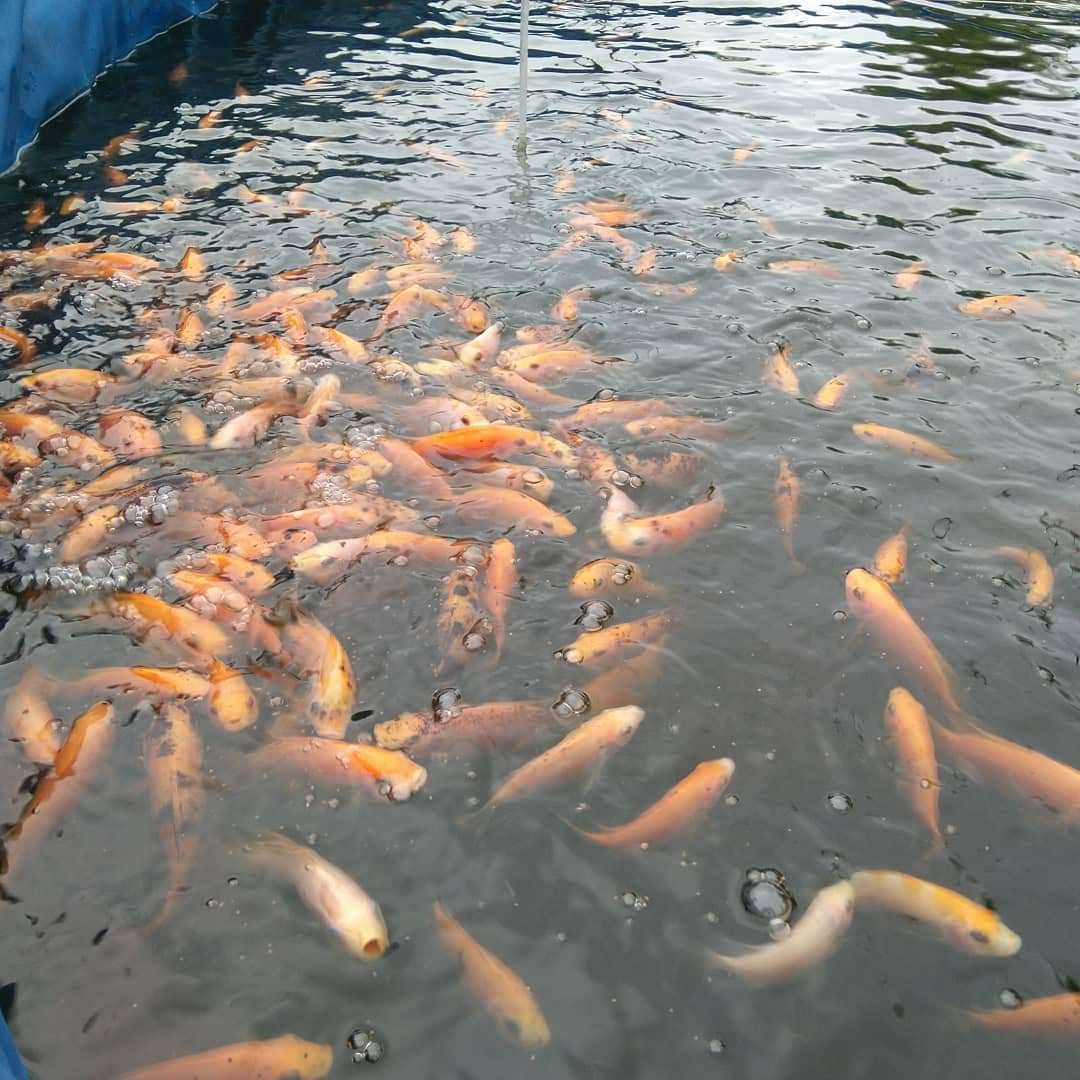

Tilapia has been popular since it was first introduced to Indonesia in 1969 from Taiwan. Initially, tilapia in Indonesia is a type of mosambica that has developed rapidly. However, due to its relatively small size, gradually this fish was replaced with tilapia tilapia, both black and red.
Tilapia (Oreochromis niloticus) is a fish from Africa that has been introduced in many countries. Today, tilapia is one of the most important economic fish in the world known as freshwater chicken. This fish is kept commercially in various parts of the world, both in ponds or floating net cages (KJA) in brackish water and freshwater and coastal waters (Gustiano et al., 2008). Intensive tilapia cultivation has been carried out in floating net cages in the Saguling, Cirata, and Jatilihur Reservoirs (West Java); Kedungombo and Gajah Mungkur Reservoirs (Central Java); and several reservoirs in East Java and Sumatra (Nugroho & Maskur, 2002). The following is a full explanation of the advantages of tilapia (Oreochromis niloticus) cultivation:
1. Easy to breed
Tilapia can reach adulthood at the age of 4-5 months. They also have started to breed at the age of 1-2 years. By the time the fish reach their first year of age, their average body weight is approaching 1 kg/head. When breeding, they can produce about 1,200 to 1,500 fish larvae once spawned (mating). Admin Dkpp, 2018. When that happens, the male tilapia will make a place for the larvae in the form of a nest at the bottom of the pond. The male will guard it aggressively. Male fish will make the nest as their territory.
2. Relatively fast growth
Tilapia growth is relatively fast when the temperature and pH in the water are optimal. The optimal water temperature ranges from 20-30 ºC with pH levels ranging from 7-8. In addition, the growth of tilapia is strongly influenced by feed. Feed will also have an effect on accelerating the breeding of tilapia.
Even though tilapia is an omnivorous fish, that is, it eats everything, we still have to pay close attention to feeding it. Their natural food when they are still at seed age are moss and plankton. When it grows, we can give it commercial pellets. If you provide artificial feed for tilapia cultivation, make sure it contains about 25% protein. This is clearly more efficient than the cultivation of catfish and carp which require high protein content in their feed in the range of 30-45%. The growth pattern of tilapia is isometric, meaning that growth experiences continuous changes that are proportional.
3. Stable fecundity
Fecundity is the number of eggs produced by individuals at the time of spawning. The fecundity of tilapia ranged from 817-5,078 with an average of 2,634 (±1076) from 11 female fish (TKG III, IV) with a total length of 289-335 mm and a weight of 491-891 grams (Yenni Wardani, 2017). Fish fecundity is closely related to the gonad maturity Index of male and female tilapia. In addition, environmental factors also affect the fecundity.
4. Disease resistance
Tilapia can be categorized as one of the freshwater fish that has resistance to disease. Until now, there has never been a disease outbreak on a large scale that attacks tilapia. Unlike goldfish farming, which is often hit by epidemics.
In general, there are two types of tilapia diseases, namely infectious diseases or infectious diseases and non infectious diseases, which are caused by poor environmental conditions. The examples of infectious diseases in tilapia that are often found are caused by bacteria or parasites including:
- Trichodina sp. Types of microorganisms that become parasites on freshwater fish and seawater fish.
- Diseases caused by a type of fungus such as Saprolegnia sp. Usually attacks the eggs, larvae and fry of fish.
- Epistylis sp. This parasite generally attacks external organs such as skin, gills and fins.
- Red spots. This disease is caused by Aeromonas sp and Pseudomonas sp bacteria which can attack internal and external organs.
Meanwhile, non infectious diseases that are commonly found in tilapia cultivation are caused by water quality, feed, poisoning caused by incorrect feeding, improper handling of fish, and genetics. The types of tilapia that are superior and have resistance to disease are as follows:
- Larasati tilapia, was developed by the Janti Germination and Freshwater Fish Cultivation and Cultivation Unit (Satker) in Polanharjo, District, Klaten. Nila larasati stands for the red tilapia strain Janti. Tilapia larasati is the result of a cross between a male parent of white tilapia pandu and a female parent of black tilapia kunti. This fish has various advantages such as disease resistance, fast growth, can live in brackish water.
- Anjani tilapia, this fish is the result of engineering from UPTD BBIS (Central Fish Seed Center) Sicincin, Padang Pariaman Regency and has conducted a comparative study at UPTD BBIAT (Freshwater Fish Seed Center) Aikmel, West Nusa Tenggara. Anjani tilapia has the advantage that it can live in cold temperatures and is resistant to disease.
- Sila best tilapia is widely cultivated in Indonesia because it has several advantages when compared to local types of tilapia. The maintenance period for sila best tilapia is only four months to reach a weight of 400-500 grams per head. In addition, this fish has an advantage for fish farmers because it can produce fish faster than usual. This type of fish has 140% immunity so it can be resistant to disease.
- Srikandi tilapia was introduced by BPPI (Industrial Research and Development Agency). Srikandi tilapia has the advantage that it can survive all kinds of diseases and this fish can be cultivated in brackish waters.
5. Tolerant of low water quality
Tilapia is known to have a tolerance level of low water quality including low dissolved oxygen levels. According to Suyanto (2002) the range of dissolved oxygen to support the life of tilapia is 4-9 mg/l. In addition, tilapia also has the ability to live in a wide salinity range, namely at levels of 0-35 permil. One type of tilapia that has a tolerance level for bad water conditions is the srikandi tilapia.
In addition to the above advantages, tilapia also has an affordable selling price for all people and the taste of the meat is quite tasty. The superiority of this fish can be proven by the increasing production of this fish culture in Indonesia. According to production data released by KKP in 2020, the total production of cultivated tilapia is 364,747.10. The area that produces the most tilapia raised in pond systems and KJA is West Java Province.
References:
Admin Dkpp. (2018, mei 17). Cara budidaya ikan nila. Diambil kembali dari dkpp.bulelengkab.go.id: https://dkpp.bulelengkab.go.id/informasi/detail/artikel/cara-budidaya-ikan-nila-70
Administrator. (2016, April 21). Asal mula ikan nila di Indonesia. Diambil kembali dari pertanianku.com: https://www.pertanianku.com/asal-mula-nila-di-indonesia/
Balai Laboratorium Pengujian Kesehatan Ikan dan Lingkungan Kelas A. (2019, Juli 8). Pencegahan hama dan penyakit ikan nila (Oreochromis niloticus). Diambil kembali dari dkp.jatengprov.go.id: https://dkp.jatengprov.go.id/index.php/artikel/blpkil/pencegahan-hama-dan-penyakit-ikan-nila-oreochromis-niloticus
Iskandariah, I. I. (2018). Analisis keragaman genetik lima populasi nila hitam dan tiga populasi nila merah (Oreochromis sp.) dengan analisa sidik ragam random amplified polymorphism DNA (RAPD). Prosiding Seminar Nasional Ikan (hal. 307-314). Bogor: Balai Riset Perikanan Budi Daya Air Tawar, Balitbang KP.
Nando Rifky. (2020, Mei 15). Inilah delapan jenis ikan nila yang unggul di Indonesia. Diambil kembali dari indonesiana.id: https://www.indonesiana.id/read/139977/inilah-8-jenis-ikan-nila-yang-unggul-di-indonesia#
Saretta, I. R. (2019, November 12). Budidaya ikan nila bisa jadi ladang rezeki? berikut fakta-fakta yang harus diketahui. Diambil kembali dari cermati.com: https://www.cermati.com/artikel/budidaya-ikan-nila-bisa-jadi-ladang-rezeki-berikut-fakta-fakta-yang-harus-diketahui
Sri wahyuni, S. d. (2015). Pertumbuhan, laju eksploitasi, dan reproduksi ikan nila (Oreochromis niloticus) Di Waduk Cirata, Jawa Barat . Limnotek, 144-155.
suseno, P. (2019, September 4). Nila larasati dari klaten jadi primadona petani ikan tanah air. Diambil kembali dari news.harianjogja.com: https://news.harianjogja.com/read/2019/09/04/500/1016444/nila-larasati-dari-klaten-jadi-primadona-petani-ikan-tanah-air
Yenni Wardani, N. M. (2017). Aspek reproduksi ikan nila (Oreochromis niloticus) Di Rawa Biru Distrik Sota Kabupaten Merauke. Jurnal Fisherina, 2579-4051.