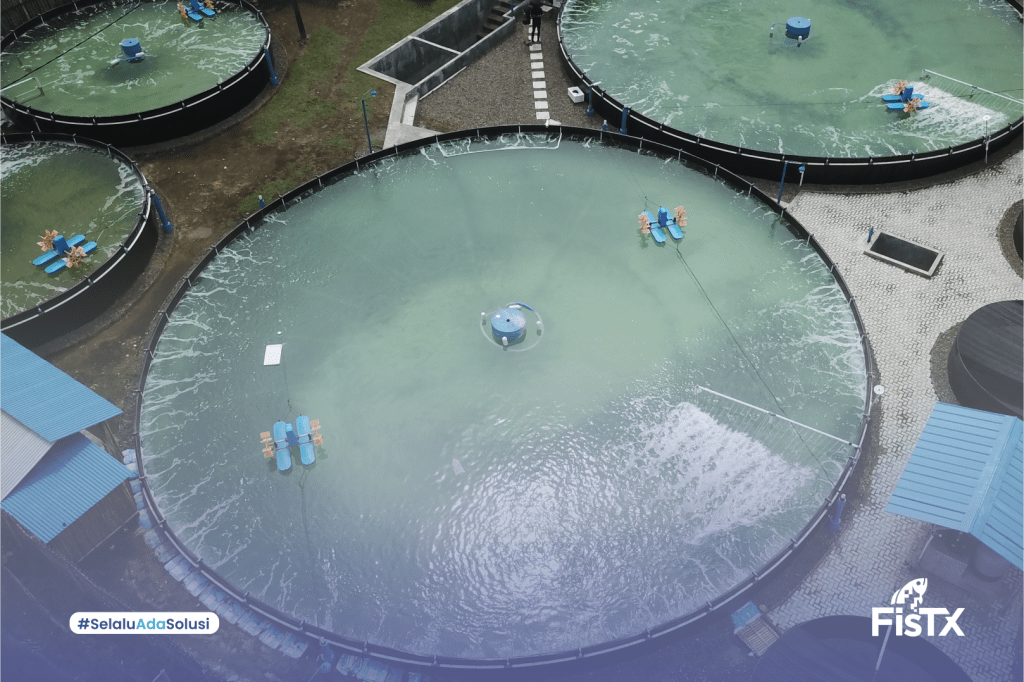
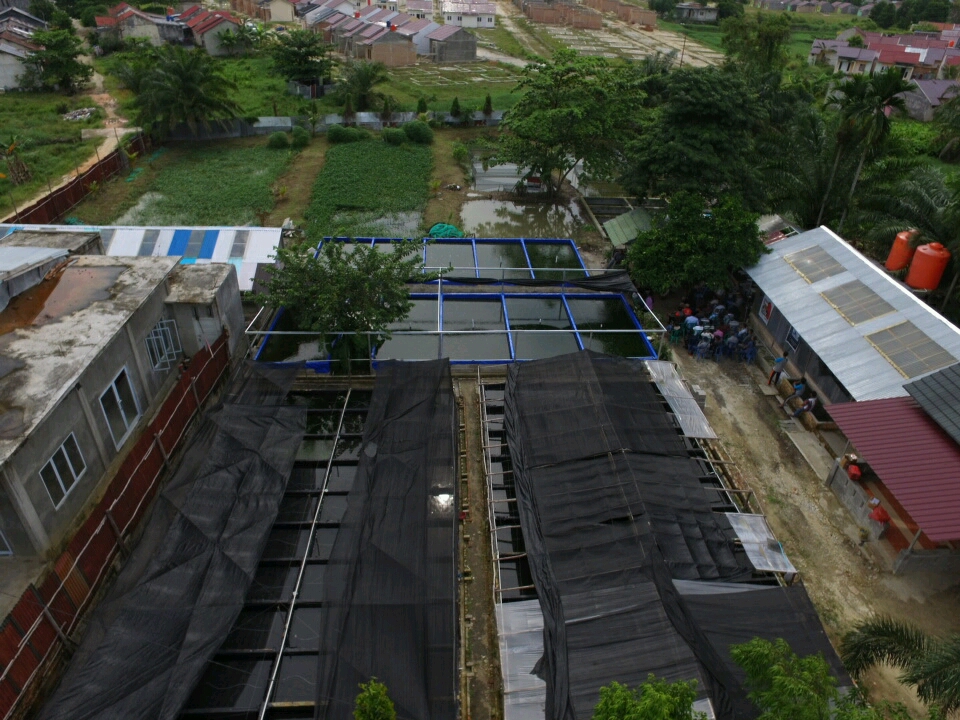
Pangasius is well known for the various benefits it provides. Consuming soft and savory Pangasius is known to help prevent diseases related to the cardiovascular system. The content of unsaturated fat in Pangasius meat can reach up to 50% of its nutritional value, which can help reduce harmful cholesterol levels in the body. For pregnant women, Pangasius also provides benefits for the health and growth of the fetus during pregnancy due to the DHA content and the rich omega-3 benefits of Pangasius meat. Both substances help maintain the fetus's health while in the womb, promote average fetal growth, and keep the fetus healthy until the delivery process. Furthermore, cultivating Pangasius has several advantages compared to other fish farming; let's see the full explanation below.
1. Adaptable
Pangasius's adaptability is known to be quite good. Pangasius hypophthalmus is known to have high adaptability to extreme water conditions such as dissolved oxygen (DO) and low pH. In a study on the adaptability of three Pangasius species to different environments, namely Siamese catfish (Pangasius hypophthalmus), Djambal catfish (Pangasius djambal), and Pasupati catfish (Pangasius pasupati) species. The study stated that Pangasius djambal fish grew well if kept in floating net cages (KJA), and Pangasius fish grew well if kept in calm water ponds (KAT). In contrast, Pangasius hypophthalmus grew well if kept in peaceful water ponds and ponds. The three Pangasius species have narrow environmental adaptability, so their cultivation will be optimal in specific locations.
2. Can be cultivated on marginal land
Marginal land is land with low potential and productivity. In terms of ground fertility, the soil's chemical, physical, and biological fertility is also low, as well as water availability. However, this does not mean that marginal land cannot be developed for aquaculture, mainly for Pangasius. An example of marginal land is peat swamp land, where Pangasius farming activities can still be carried out. This is based on the results of rearing activities of Pangasius hypophthalmus fish in ponds in Pulang Pisau Regency, Central Kalimantan Province, on peatlands. This activity showed that the enlargement of Pangasius in peatland ponds with stocking densities of 4, 7, and 10 fish/m2 resulted in fish growth and survival rate (SR) that were not significantly different.
3. Good environmental and disease resistance
The ability of Pangasius to survive is outstanding despite the extreme conditions of the aquatic environment. In addition, Pangasius is also able to withstand attacks by harmful bacteria. In 2017, the Fish Breeding Research Institute released a new strain of Pangasius. The fish was named the Pangasius perkasa. The perkasa name itself is an abbreviation of Patin Super Karya Anak Bangsa. This Pangasius can grow 16 to 46% faster than the local Siamese Pangasius. Besides being able to overgrow, this Pangasius has a higher resistance of about 20 to 40% against bacterial attack so that the mighty Pangasius does not get sick easily.
4. High fecundity
Fecundity is the number of eggs produced by individuals at the time of spawning. The level of fecundity in Pangasius is relatively high. One example of a Pangasius species with a high level of fecundity is the Pangasius nasutus fish. The fecundity of this fish ranged from 26-67 eggs per gram of brood weight, more elevated than Pangasius djambal, but lower than Siamese Pangasius. The hatching rate of Pangasius nasutus ranged from 44.16 to 79.05%, with an incubation period of 22-25 hours at an incubation temperature of 29-30 °C.
5. High growth rate
The growth rate is the increase in the total weight or length of the fish over a certain period. Growth is affected by internal and external factors in the fish's body, with the aquatic environment and feeding being two of the most significant external factors. Pangasius has a high growth rate, which is influenced by genotype, environment, and the interaction between the two. A study of the adaptability of three Pangasius species to different environments found that Pangasius djambal grew well in floating net cages, with a specific growth rate of 2.51±0.15%. Pangasius pasupati grew well in calm water ponds, with a specific growth rate of 2.05±0.03%. Siamese Pangasius grew well in calm water ponds, with specific growth rates of 2.02±0.05% and 2.31±0.09%, respectively.