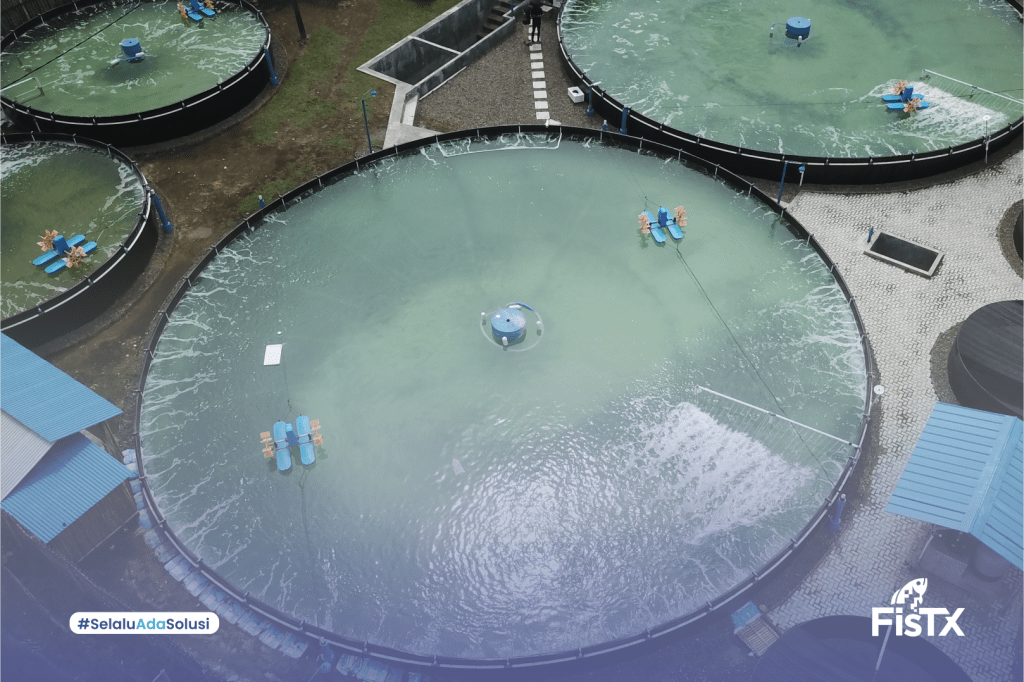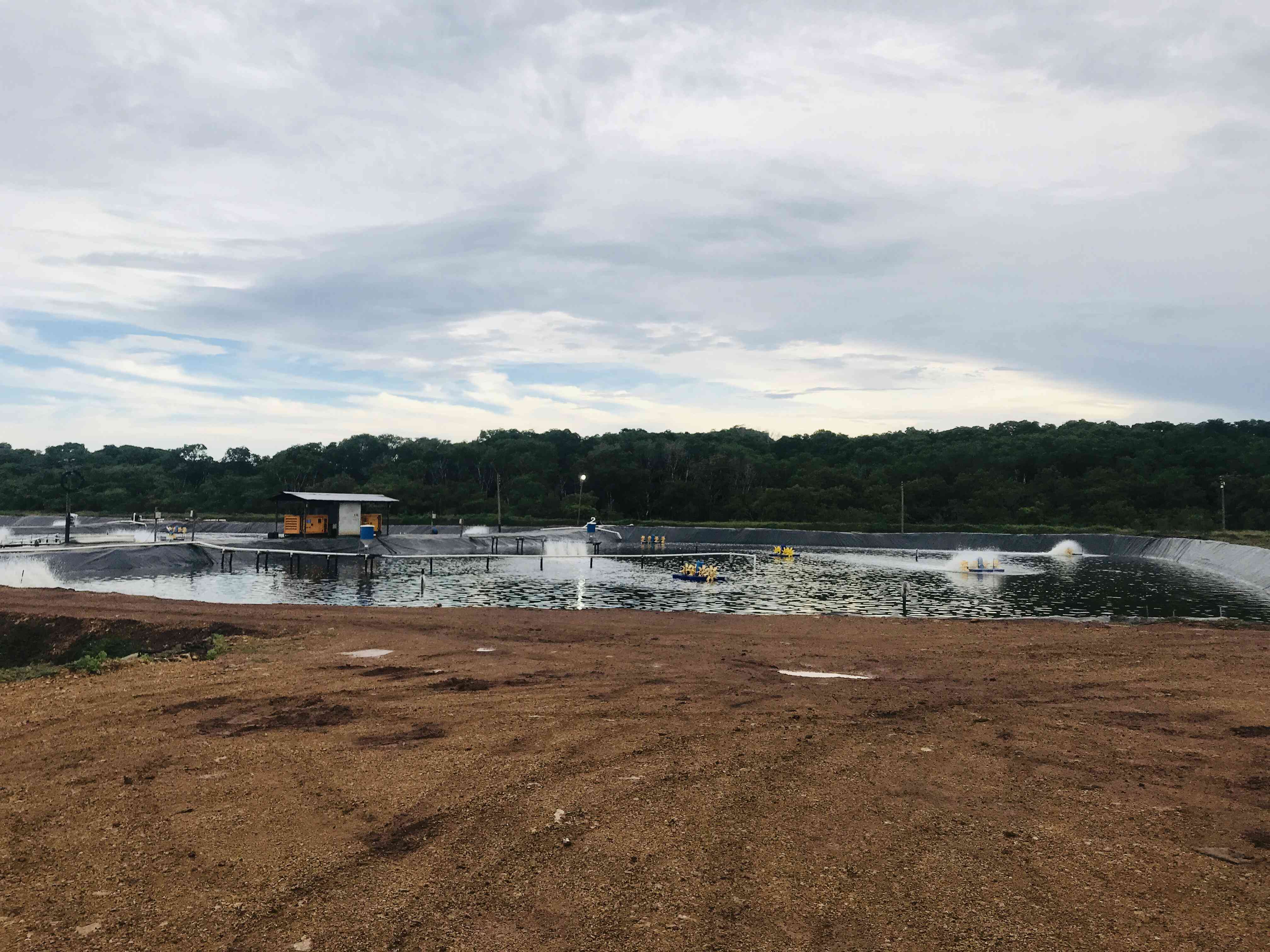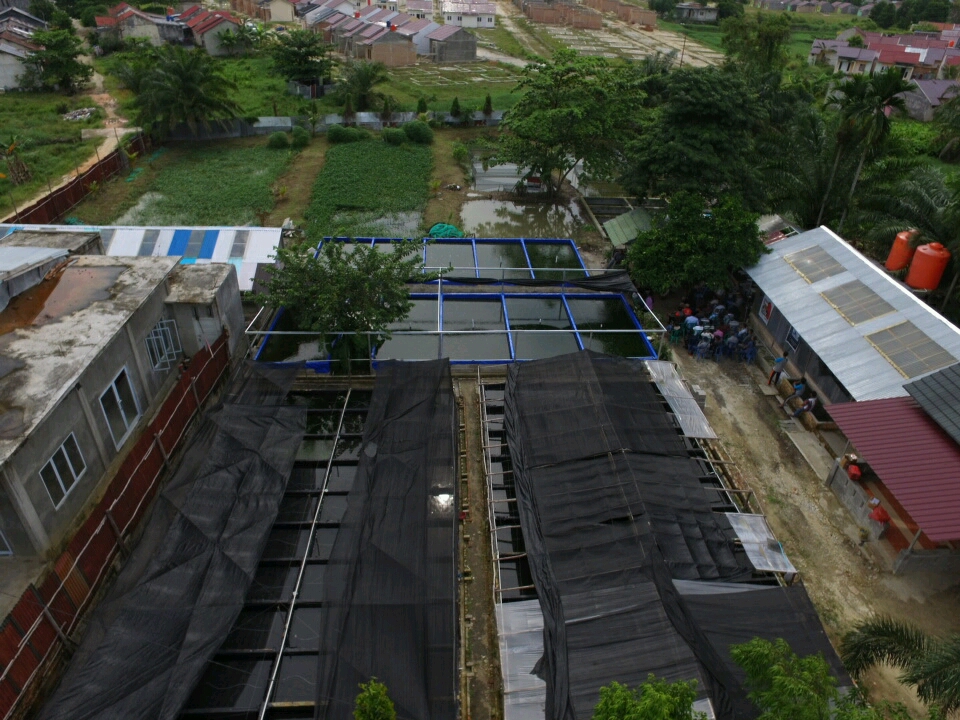
Most Indonesian people must be familiar with catfish. Fish is one of the main menus for the family's daily side dishes. The advantage of this fish lies in its very affordable price for all people. Catfish is one type of freshwater fish with high economic value. Therefore, catfish are widely cultivated and produce quite promising profits. Fish with the Latin name Clarias is a type of nocturnal fish or actively looking for food at night.
On the other hand, global catfish production has increased from year to year. In terms of species, the vast majority (62%) of global aquaculture production by 2030 will consist of freshwater species, such as carp and catfish (FAO, 2020). Meanwhile, national catfish production which has been calculated from 2015-2018 has also increased. During the 2015-2018 period, the volume of fish (shrimp) production increased by an average of 7.12% per year. One of the commodities that increased significantly was catfish by 13.84% (djpb1, 2019). In addition, the Fishery GDP (Gross Domestic Bruto) Value showed a positive increase with an average increase of 5.36% per year. The share of aquaculture in 2018 reached 238.64 billion or 57.15% of the total GDP of National Fisheries.
From the explanation above, of course we as novice cultivators are interested in starting this catfish business immediately. However, most of the cultivators after starting this business do not evaluate their business performance. This will affect whether the business can run or not in the long term. The evaluation that can be done by cultivators after carrying out this business is conducting a business feasibility study. Aspects that need to be considered in conducting business feasibility are financial aspects and non-financial aspects, Nurmalina et. al (2010), divide the feasibility analysis into financial and non-financial aspects. Non-financial aspects include market aspects, technical aspects, management and organizational aspects, legal aspects, social, economic and cultural aspects, and environmental aspects. Each of these aspects are interrelated with each other in meeting the eligibility criteria of a business. The following is a full explanation of the feasibility aspects of the catfish business:
1. Financial aspect
The financial aspect aims to determine the level of feasibility and benefits of a calculation on the planned business development. Overall assessment in the financial aspect includes:
- Sources of funds.
- The need for investment costs.
- Estimated investment income and costs over several periods including the types and amounts of costs incurred over the life of the investment.
- Investment appraisal criteria.
- Balance sheet projections and profit (loss) reports for the next several periods.
- Financial ratios used to assess the company's ability.
The parameters to determine the feasibility of a business based on investment criteria can be done through the approach of payback period (PP), average rate of return (ARR), net present value (NPV), internal rate of return (IRR), profitability index (PI), and break even points (BEP).
2. Non-financial aspects
2.1. Marketing aspect
The marketing aspect is the core of business evaluation through feasibility studies. Although technically it has shown satisfactory results to be implemented, but it is meaningless if it is not accompanied by the marketing of the product to be produced. The main factors that need to be assessed are in terms of market and marketing aspects, including:
- The amount of demand for the product in the past and present and the trend of demand in the future.
- Based on the market projection figures (estimates), how likely is the market share (potential market) available in the future.
- How much market share is planned based on the production plan.
- What factors might affect future demand?.
- What strategies need to be done in achieving the planned market share.
2.2. Social aspect
According to Dedi and Nurdin, (2016), the social impacts of a project or investment include:
1. Demographic changes through:
- Changes in population structure by age group, gender, livelihood, education, and religion.
- Changes in the level of population density.
- Population growth, birth rate, infant mortality rate, and migration patterns.
- Changes in the composition of the workforce, both the labor force participation rate and the unemployment rate.
2. Cultural changes which include the occurrence of:
- Cultural change through changes in local customs, values and cultural norms.
- The existence of social processes, both associative (cooperation), dissociative processes (social conflict), acculturation, assimilation, and integration as well as other social activities.
- Changes in social institutions (community institutions) in the economic field, such as customary rights, education, religion, and family.
- Changes in cultural heritage such as the destruction of archaeological sites and cultural heritage.
3. Changes in public health include the occurrence of:
- Changes in environmental parameters affected by the development plan on health.
- Changes in the process of pollution.
- Changes in the potential magnitude of the impact of disease, such as increased morbidity and mortality.
- Changes in the specific characteristics of the population at risk of disease.
The feasibility of the social aspect of the catfish business is seen from a social perspective and the establishment of a catfish farming business that can have a positive impact on the surrounding community.
2.3. Technical aspect
Analysis in technical aspects include determining the location, determining the area of production, determining the layout (layout), preparation of equipment, and the production process including the selection of technology, inventory methods, and management information systems. The completeness of the study on technical/operational aspects is highly dependent on the type of business being run. Thus this analysis is carried out to assess the company's readiness to run its business by assessing location determination, production area and layout as well as the readiness of machines and technology, inventory methods and management information systems used (Sucipto, 2011).
References
djpb1, 2019, Kkp lakukan Iintegrasi dan inovasi program budidaya berkelanjutan, kkp.go.id, dilihat 12 Oktober 2021, https://kkp.go.id/djpb/artikel/14323-kkp-lakukan-integrasi-dan-inovasi-program-budidaya-berkelanjutan.
[FAO] Organisasi pangan dan pertanian perserikatan bangsa-Bangsa, 2020, Keadaan perikanan dan budidaya dunia, Keberlanjutan dalam tindakan. organisasi pangan dan pertanian perserikatan bangsa-Bangsa. Roma.
Hidayat, Nurdin dan Purwana Dedi, 2016, Studi kelayakan bisnis Raja Grafindo
Nurmalina R, Sarianti T, Karyadi A, 2010, Studi Kelayakan Bisnis, Unit Penerbit Departemen Agribisnis Fakultas Ekonomi dan Manajemen Institut Pertanian Bogor.
Rizal, F, 2020, Analisis kelayakan usaha ( Studi kasus budidaya ikan lele unit pembenihan rakyat) Jl Makkah Kelurahan Koto Panjang Ikur Koto Kecamatan Koto Tangah Kota Padang, Skripsi, Uiversitas Muhammadiyah Sumatera Barat.
Sucipto, Agus. 2011. Studi kelayakan bisnis analisis intregatif dan studi kasus. Malang: UIN-Maliki Press.