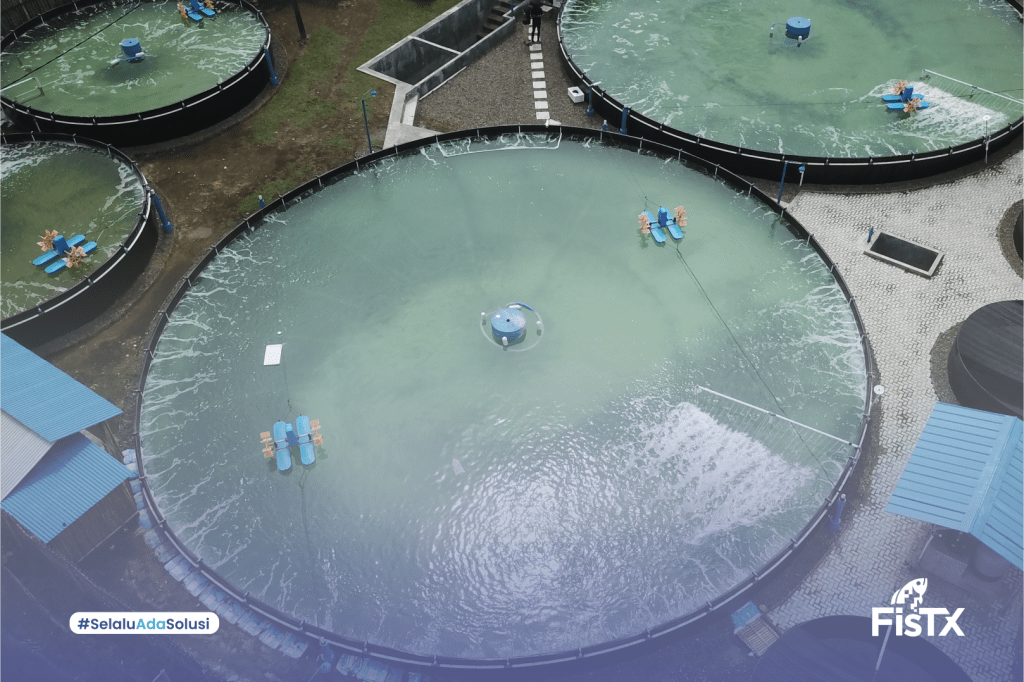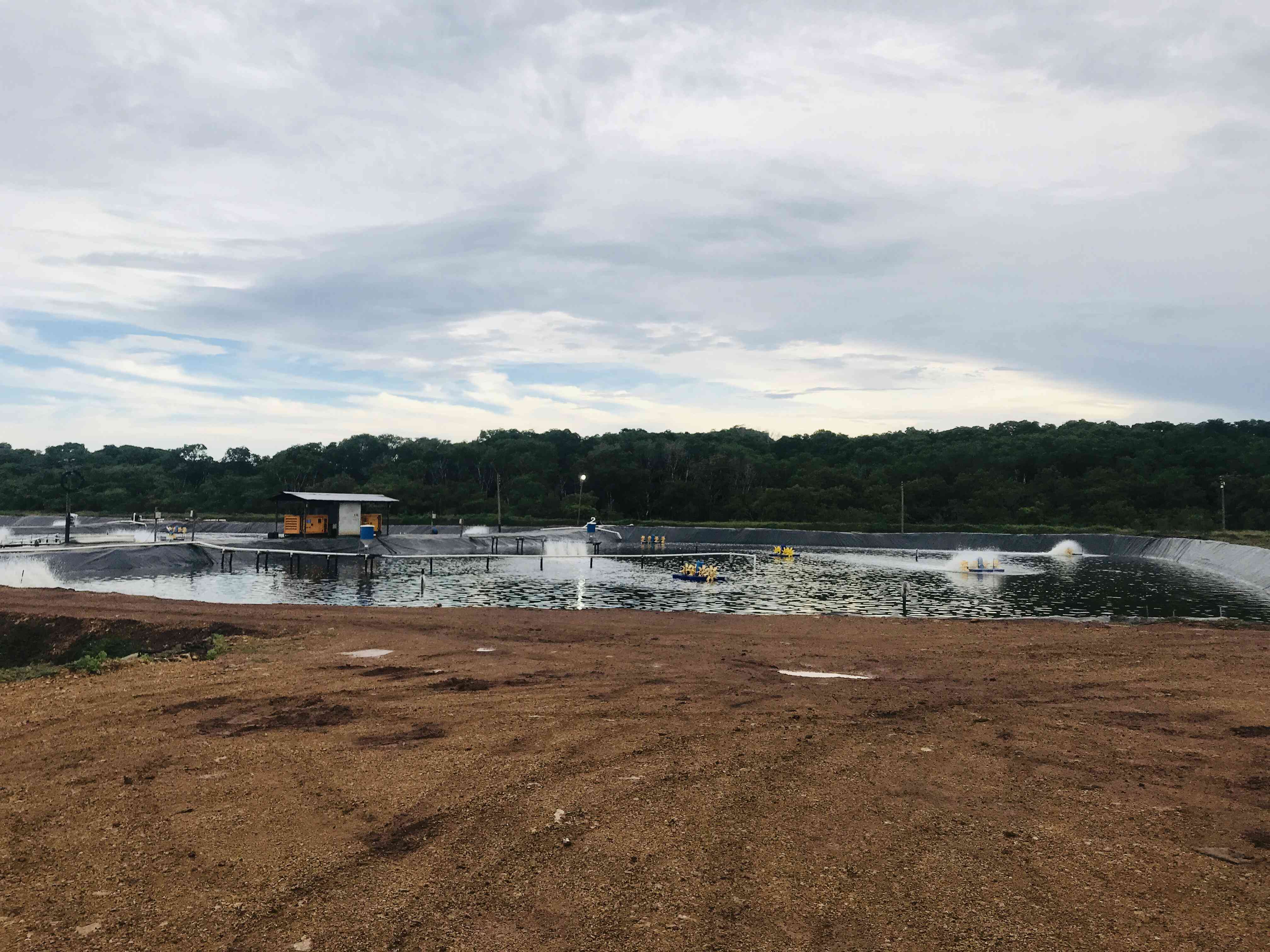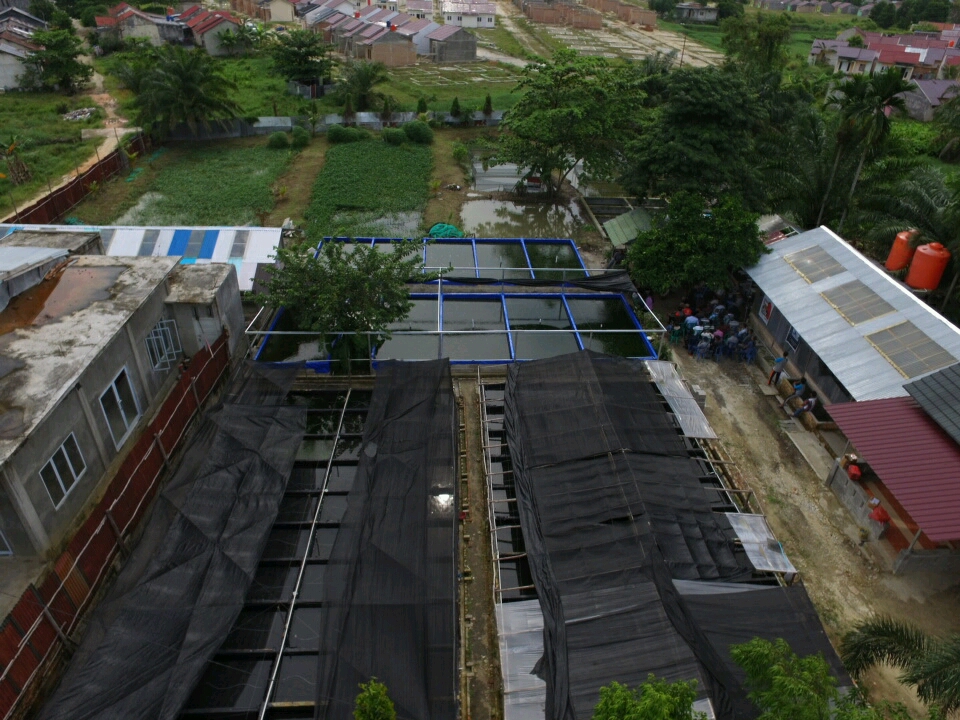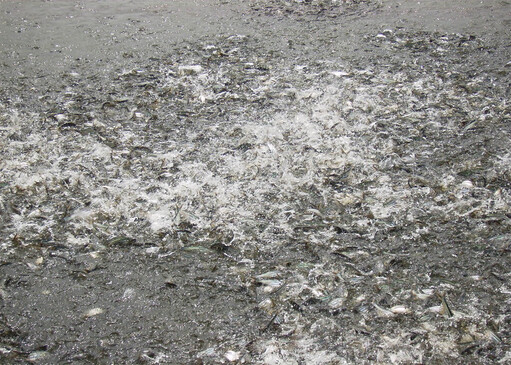

Pangasius fish farming has long been developing in Indonesia, with its enormous potential for development, making it an intensively cultivated type of fish (Meilisza, 2009). Intensive fish farming requires a qualified technological system to run operations smoothly, with the cultivation system aiming to produce aquatic biota (organisms) in a controlled environment to gain profit (Hadie et al., 2015).
Feed is an essential factor to consider in Pangasius farming, with feeding needing to be arranged systematically. Good feed management is necessary to ensure that the feed is neither excessive nor lacking. The 90% satiation feeding technology system, developed by the American Soybean Association (ASA), can be applied to control the feeding of Pangasius fish. This technology works by giving the fish feed until they are 90% full, thus improving their metabolism and reducing the amount of feed left uneaten. This technology was tried in Indonesia around 2004-2006 on fish kept in fast-flowing ponds and floating net cages (goldfish and tilapia) (Marinecm, 2022).
The working principle of the 90% satiation feeding technology system is that the feed given to the fish is not until they are full, but only at the 90% level, so that there is no food left uneaten, and the fish's metabolism is improved. This technology was tried in Indonesia between 2004 and 2006 on fish kept in fast-flowing ponds and floating net cages (carp and tilapia) (Marinecm, 2022). Feed management technology with 90% satiation feeding can be applied to Pangasius fish farming, as these fish are bottom feeders (DKPP, 2019). Thus, using this technology system can reduce the amount of feed not eaten by the fish and the operational costs of purchasing feed.
References
DKPP, 2019. Inilah Kebiasaan Makan Ikan Patin. [Online]
Available at: https://dkpp.bulelengkab.go.id/informasi/ detail/artikel/inilah-kebiasaan-makan-ikan-patin-75 #:~:text=Patin%20mempunyai%20kebiasaan%20makan %20di,ikan%20patin%20cenderung%20bersifat%20karnivora.
[Diakses 30 Mei 2022].
Hadie, W., Hadie, L. E. & Supangat, A., 2015. Pengertian dan Ruang Lingkup Sistem Budidaya Ikan. [Online]
Available at: https://pustaka.ut.ac.id/lib/wp-content/uploads/pdfmk/LUHT421503-M1.pdf
[Diakses 30 Mei 2022].
marinecm, 2022. Teknologi Budidaya Ikan Ramah Lingkungan. [Online]
Available at: https://www.marinescienceandtechnology.com/ teknologi-budidaya-ikan-ramah-lingkungan/
[Diakses 30 Mei 2022].
Meilisza, N., 2009. Budidaya Ikan Patin di Vietnam : Suatu Kajian Untuk Pengembangan Budidaya Ikan Patin Indonesia. Media Akuakultur, IV(1), pp. 26-31