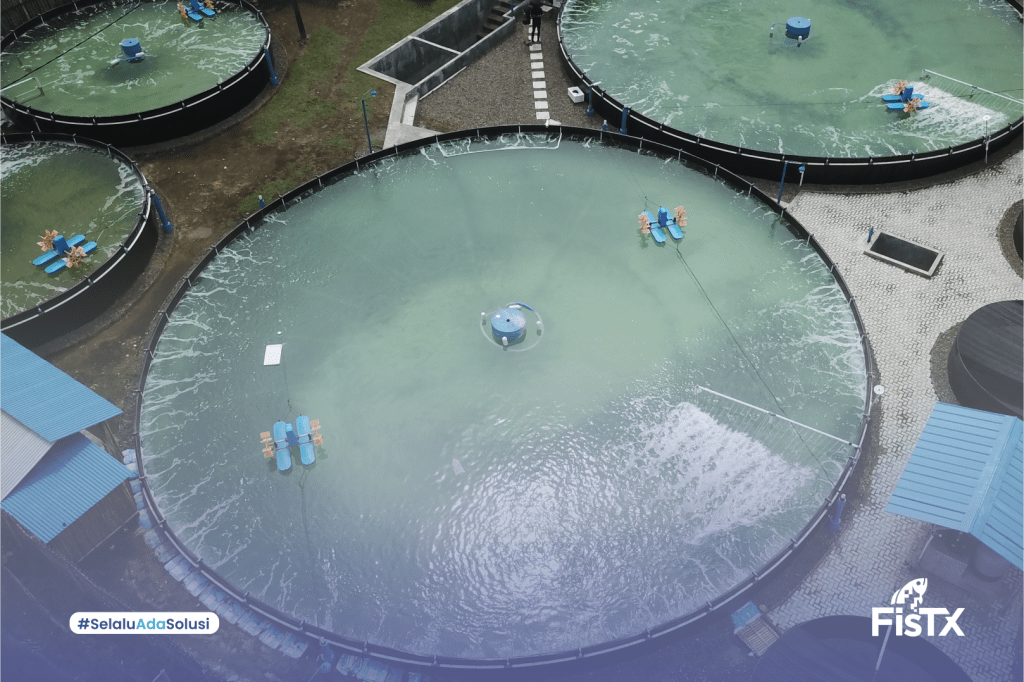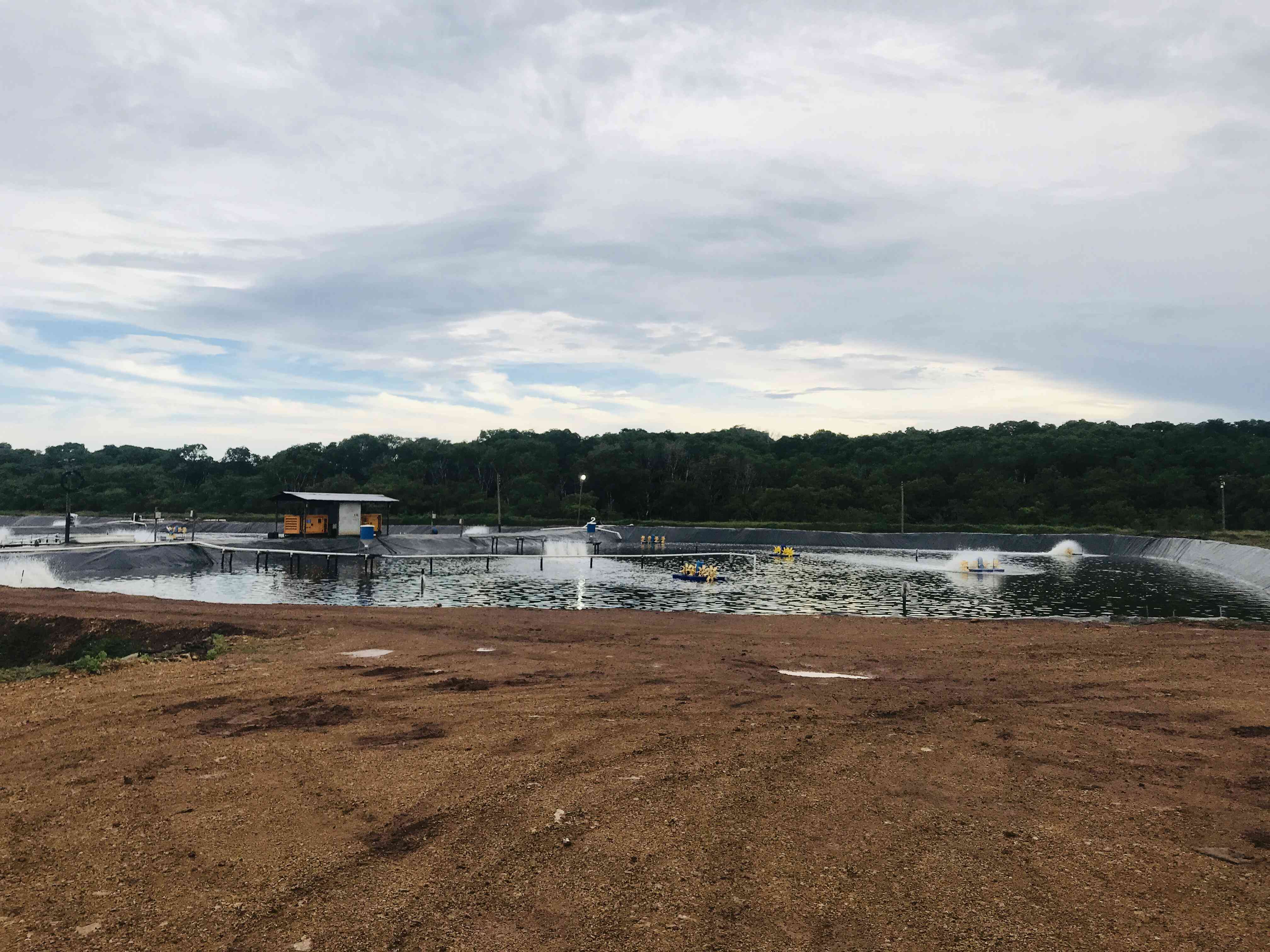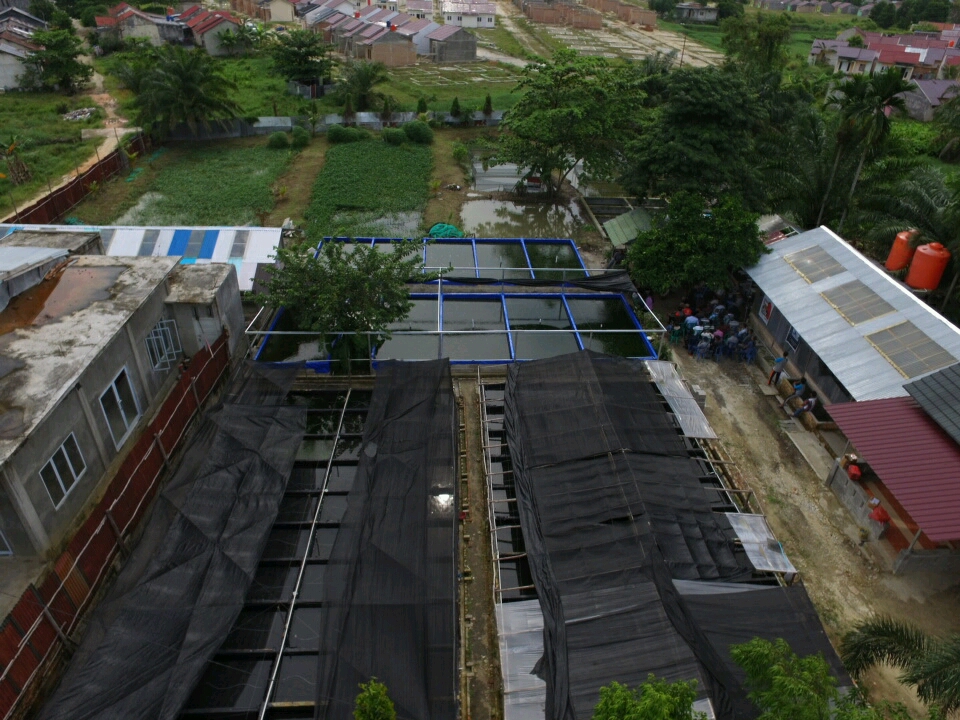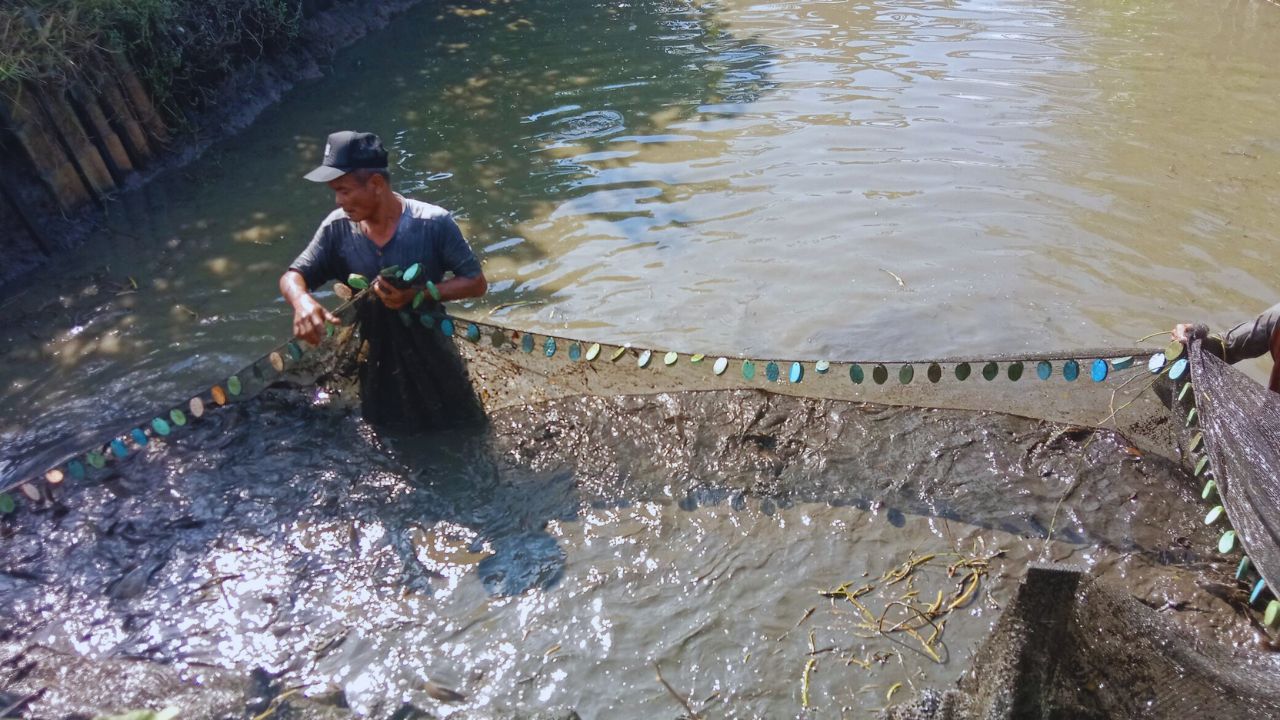

Fish farming in earthen ponds has become a widespread practice in Indonesia, drawing on local expertise in water resource management. This method can be adapted to various systems, ranging from traditional extensive to more intensive practices. Pangasius, a species well-suited to earthen pond environments, is popular for its ease of care and straightforward management. As such, beginners in fish farming are often encouraged to start with earthen ponds, which promote efficient and optimal growth for pangasius.
The choice of earthen ponds as the farming environment for pangasius fish not only simplifies operations for new farmers but also positively impacts the sustainability of aquaculture activities. This efficiency and sustainability stem from aligning the farming system with the natural characteristics of pangasius and the earthen pond environment. Consequently, this method is not only a practical solution but also offers promising potential for the expansion of Indonesia’s fish farming industry.
Here is an overview of the essential steps for successfully farming pangasius in earthen ponds:
Building the earthen pond
The first step in setting up an earthen pond is excavation, typically creating a pond with dimensions of five meters in width, five meters in length, and one meter in depth—adjustable based on available land. This excavation can be done with a hoe, and once the desired depth is reached, a drainage hole is made in one corner of the pond for easier emptying.
After excavation, the pond is left to dry for about a week, allowing the base to crack naturally. This is followed by the construction of small trenches and the reinforcement of embankments to ensure pond stability.
Once the pond floor has dried, the next step is soil fertilization. Fertilization begins by adjusting the soil pH if it is too low (pH < 6) using 100 g/m² of calcium oxide (CaO) to raise pH levels and eliminate any harmful bacteria or pests. The next stage is to increase soil fertility by stimulating natural food growth, often using manure or green fertilizer at a dose of 250-500 g/m². After these steps, the pond is filled with water, adjusting the water level according to the size of the fish fingerlings to be stocked.
This pond preparation process involves not only technical aspects like excavation and fertilization but also considers pond stability and environmental health, creating an ideal foundation for effective and efficient pangasius farming.
Stocking pangasius fingerlings in the earthen pond
Stocking fingerlings in the earthen pond is a crucial stage in pangasius farming. Fingerlings should be introduced slowly into the pond to minimize stress. A recommended practice is to stock fingerlings in the late afternoon, allowing for acclimatization between the pond temperature and the water temperature in the holding container.
Acclimatization can be achieved by placing the bag of fingerlings in the pond for 5-10 minutes. This helps reduce stress on the fingerlings and supports their adjustment to the new pond environment.
Stocking in the late afternoon provides strategic benefits, as water temperature and environmental conditions are typically more stable at this time. The lower intensity of sunlight and slower temperature changes reduce stress on the newly introduced fish. This approach fosters a conducive environment for fingerlings to adapt to the earthen pond.
In addition, proper acclimatization before release plays a key role in minimizing stress. Acclimatization allows the fingerlings to gradually adapt to temperature and water conditions, which can significantly impact their growth and health. By carefully following stocking and acclimatization practices, pangasius fingerlings are better positioned for healthy growth, laying a strong foundation for a successful farming cycle.

Stocking pangasius fingerlings in earthen ponds: Luhkan Kota Tomohon/Yoanna Mardiningsih
Care and maintenance
Effective care is a cornerstone of successful aquaculture, particularly in pangasius farming. One of the most critical aspects of maintenance is ensuring regular feeding with a high-protein diet tailored to the nutritional needs of pangasius. Fish should be fed three times a day, with a feeding rate of 2-3% of the total biomass. An optimal feed conversion ratio (FCR) of 1:1.5 means that 1 kilogram of feed can produce 1.5 kilograms of pangasius, highlighting the importance of efficient feed management.
In addition to feeding, maintaining the cleanliness of the pond and its surroundings is crucial. A clean pond and hygienic environment help minimize the risk of disease and promote healthy fish growth. Farmers are encouraged to routinely clean the pond and ensure proper sanitation in the farming area.
Throughout the maintenance process, farmers must understand the specific needs of pangasius and respond appropriately. By adopting best practices in care and maintenance, farmers can maximize their yields and sustain their aquaculture operations.
Pest and disease management
Pest and disease control in pangasius farming is vital for ensuring the health and sustainability of fish stocks. Preventive measures are a key focus, with biosecurity being a central component. Biosecurity involves implementing practices to prevent the introduction of pathogens and pests into the pond, such as managing the movement of people, vehicles, and equipment to reduce the risk of external contamination.
Another effective preventive approach is the application of probiotics. Probiotics, which are live microorganisms, benefit fish health by improving gut microflora and enhancing the immune system. Their use helps increase resistance to disease and promotes overall well-being.
When it comes to disease detection, both morphological and molecular methods, such as PCR (Polymerase Chain Reaction), are essential. Morphological analysis involves observing physical and behavioral signs of disease in the fish, while PCR allows for the precise identification of pathogens through DNA or RNA analysis. Regular laboratory testing is crucial for early disease detection, enabling prompt and effective intervention.
By consistently applying preventive and diagnostic measures, pangasius farmers can maintain healthy and productive fish stocks, minimizing the impact of potential pest and disease outbreaks.

Necropsy of pangasius fingerlings for parasite and bacterial examination in the laboratory: BPPMHKP Jayapura
Harvesting
Harvesting marks a pivotal moment in the pangasius farming cycle, representing the culmination of months of diligent care and management. Typically, harvesting occurs after approximately eight months of cultivation, when the fish reach the desired size, usually over 600 grams. At this stage, the fish are considered to have achieved optimal growth, yielding the best balance of size and quality.
Farmers who have carefully followed best practices in maintenance can expect healthy fish with optimal weight and superior meat quality. This ensures both market competitiveness and consumer satisfaction.
The harvesting process can be conducted either as a total or partial harvest, depending on the farmer's objectives and strategy. Total harvesting involves removing the entire stock from the pond, whereas partial harvesting allows some fish to remain and continue growing.
The choice between these methods depends on various factors, such as business goals, pond capacity, and local market demand. Some farmers may opt for total harvesting to give the pond a rest period before starting a new farming cycle. Others may choose partial harvesting to ensure a continuous supply of fish to the market, maintaining steady revenue streams.
A successful harvest not only rewards months of effort but also signals the start of a new cultivation cycle. This transition provides an opportunity for farmers to evaluate their performance, identify areas for improvement, and make necessary adjustments to their farming practices.
By adopting a strategic and thorough approach to harvesting, pangasius farmers can maximize their yields and maintain the sustainability of their aquaculture operations, ensuring long-term success in the industry.