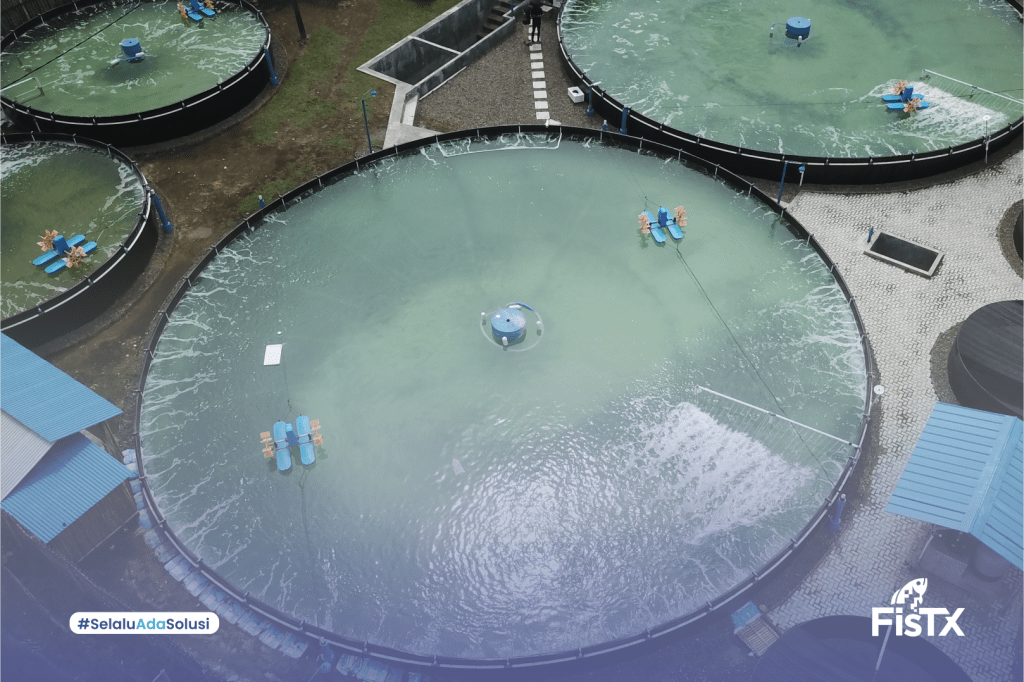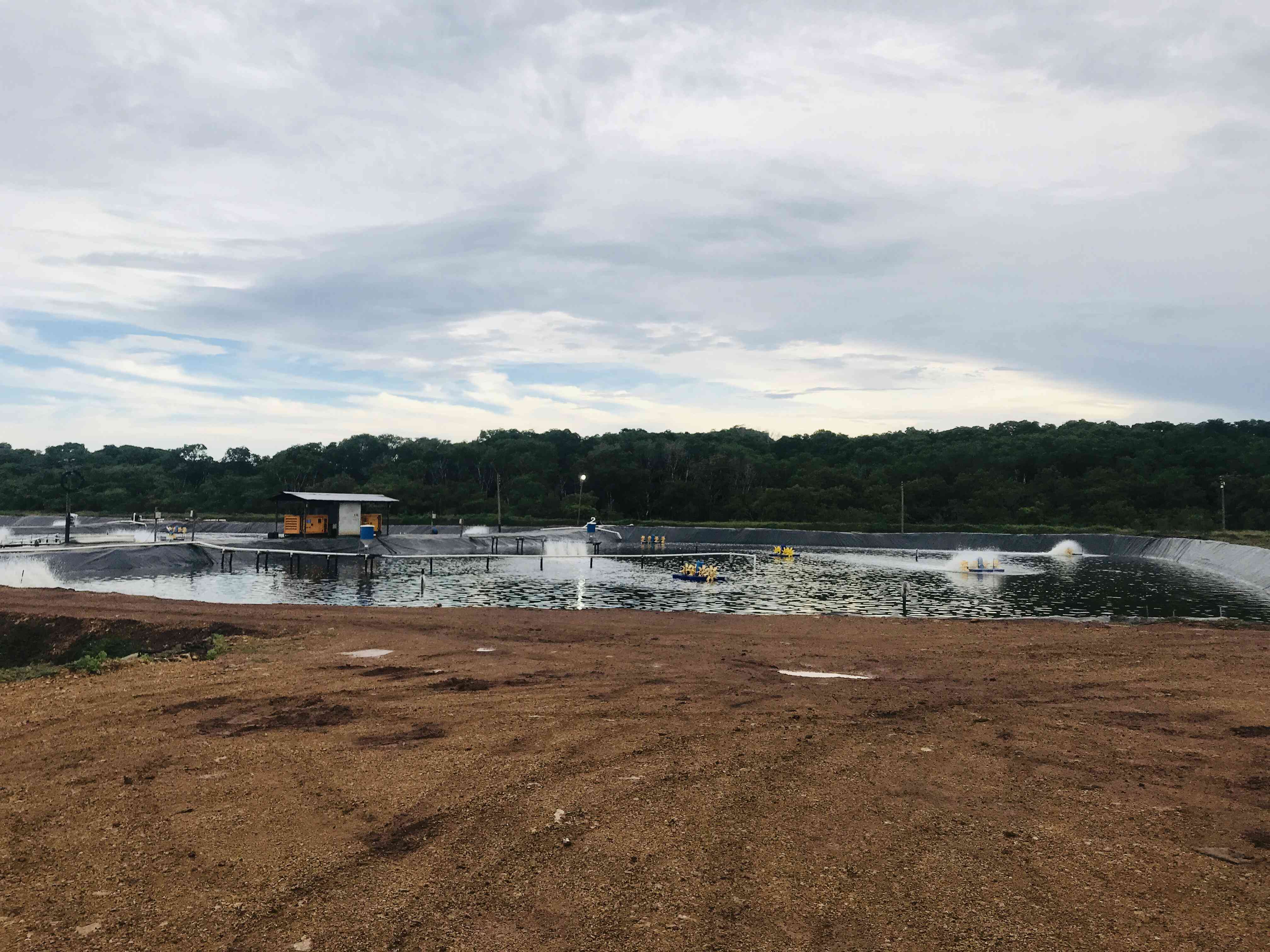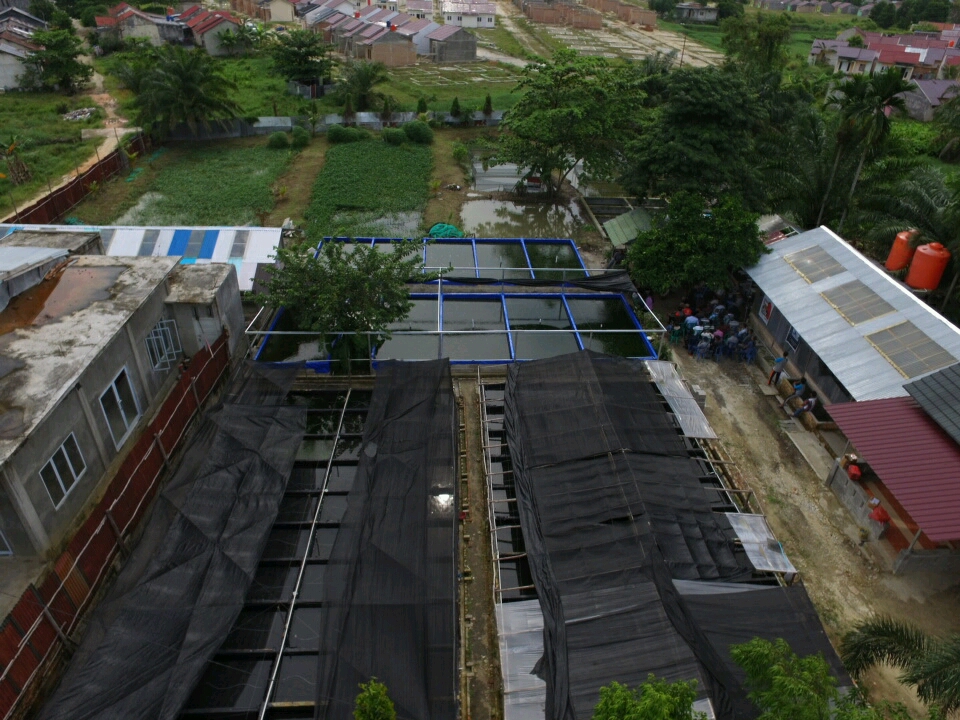
Today, aquaculture has become a fun activity. There are various types of fish that can be cultivated. One type of fish is catfish. Catfish is a species of freshwater fish that has been known for a long time in Indonesia. This fish was introduced from Africa in 1994. The type of catfish that is commonly cultivated is the African catfish (Clarias gariepinus). These fish are known to have fast growth, are resistant to the environment and are able to reproduce quickly. In addition, catfish meat has a thick texture and has a distinctive taste so that in a short time the demand is quite high.
National catfish production continues to increase. Based on data from the Directorate General of Aquaculture at the Ministry of Maritime Affairs and Fisheries, catfish production in 2017 reached 1.8 million tons, an increase of 131,7% from the previous year's achievement. This figure is above the KKP target of 1.3 million tons. The production will certainly continue to increase over time.
In addition to increasing production, we as business actors or cultivators should conduct an analysis related to business feasibility for the future or long term. Often the main problem for starting a catfish business is capital. The main problems in catfish production are capital (71%), marketing (60%), and pests and diseases (33.3%). Others include high input costs (25%) and lack of government incentives (20%), Isa FO, 2014. This analysis aims to find out whether the prospect of catfish farming is financially profitable or even detrimental. In addition, this analysis will provide an overview of prospective entrepreneurs (business actors) in making catfish farming business decisions. Let's consider the following review regarding the analysis of catfish enlargement business with a pond area of 20 m2.
Assumptions used:
- Round pond with a diameter of four meters full set.
- Density of fish 3,000 fish per pond.
- Survival of fish 90%.
- Cultivation period three months, one year four cycles.
- Harvest size 7 (1 kg contents 7 tails).
- The selling price of fish is Rp. 27,000/kg.
Table 1. Investment cost
|
NO |
Item |
Amount |
Unit price (IDR) |
Cost value (IDR) |
|
1 |
Round tarpaulin pond with a diameter of four meters full set |
5 units |
1,250,000 |
6,250,000 |
|
2 |
Scales |
1 unit |
100,000 |
100,000 |
|
3 |
Shovel |
1 pcs |
50,000 |
50,000 |
|
4 |
Bucket medium size |
3 pcs |
25,000 |
75,000 |
|
5 |
Land |
20 m2 |
1,500,000 |
30,000,000 |
|
6 |
Guard house |
3 x 3 m2 |
500,000 |
1,500,000 |
|
7 |
Water and electricity installation |
1 unit |
100,000 |
100,000 |
|
|
Total investment cost |
|
|
38,075,000 |
Table 2. Fix cost
|
NO |
Item |
Total cost value (IDR) |
Lifetime |
Cost of depreciation/year (IDR) |
|
1 |
Round tarpaulin pond with a diameter of four meters full set |
6,250,000 |
5 years |
1,250,000 |
|
2 |
Scales |
100,000 |
2 years |
50,000 |
|
3 |
Shovel |
50,000 |
1 year |
50,000 |
|
4 |
Bucket medium size |
75,000 |
2 years |
37,500 |
|
5 |
Land |
75,000,000 |
- |
- |
|
6 |
Guard house |
1,500,000 |
5 years |
300,000 |
|
7 |
Water and electricity installation |
100,000 |
5 years |
20,000 |
|
|
Total depreciation cost |
|
|
1,707,500 |
Table 3. Variable cost
|
NO |
Item |
Amount |
Unit price (IDR) |
Cost value/year (IDR) |
|
1 |
Seeds size 5-7 cm |
3,000 seeds |
250 |
750,000 |
|
2 |
Fish feed |
250 kg |
8,000 |
2,000,000 |
|
3 |
Labor |
2 person/3 months |
500.000/person |
3,000,000 |
|
4 |
Supplements, water, electricity, etc |
3 months |
500,000 |
2,000,000 |
|
|
Total variabel cost |
|
|
38,075,000 |
Advantages of 3,000 Catfish Business Analysis
Total expenses (fixed cost + variable cost) is IDR 32,707,500. We can enjoy the benefits of new catfish enlargement business after the catfish is harvested at the age of three months. The average weight of catfish kept during that time, can reach 125 grams. That means in 1 kg, contains eight fish. So the total weight of our harvest is 375 kg.
The price of catfish in the market today is around IDR 27,000. So, the total sales that we can get in one year (selling price x number of harvests x 4 cycles) is IDR 40,500,000. The advantages of catfish farming are as follows:
Profit for one period is derived from total income-total expenses
IDR 40,500,000-32,707,500 = IDR 7,792,500.
References:
Isa FO, A. M. (2014). Profitability analysis of small-scale catfish farming in Kaduna State, Nigeria. Journal of Agricultural Extension and Rural Development, 267-273.
Musa, P. d. (2011). Kajian finansial usaha pembesaran ikan lele dumbo (Clarias gariepinus) pada luasan rata-rata 100 m2 di kecamatan parung Kabupaten Bogor. 35-39.
Sri mas sari. (2018, Januari 29). Permintaan tinggi, produksi lele melesat lebih 2 kali lipat. Diambil kembali dari ekonomi.bisnis.com: https://ekonomi.bisnis.com/read/20180129/99/731845/permintaan-tinggi-produksi-lele-melesat-lebih-2-kali-lipat.
Isa FO, A. M. (2014). Profitability analysis of small-scale catfish farming in Kaduna State, Nigeria. Journal of Agricultural Extension and Rural Development, 267-273.